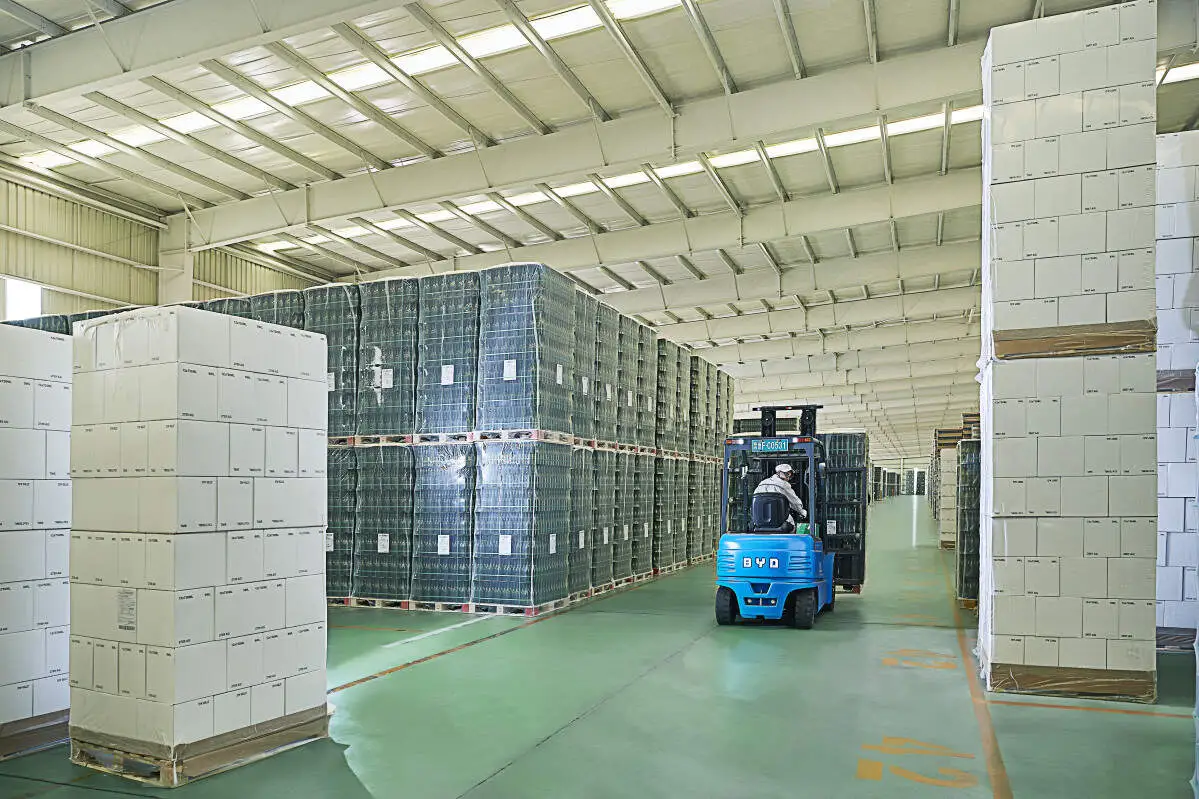
Lithium ion forklift batteries have become a staple in modern warehousing and logistics operations, thanks to their high energy density, fast charging capabilities, and lower maintenance needs compared to traditional lead-acid alternatives. However, like all power sources, consistent and proper care is essential to maximize their service cycle life and ensure reliable performance over time.
Optimizing charging routines is one of the most critical maintenance practices. Overcharging or undercharging can significantly impact battery health and shorten its lifespan. Always follow the recommended charging guidelines tailored to your battery type, avoiding prolonged charging once the battery reaches full capacity. Use chargers specifically engineered for lithium ion forklift batteries to ensure compatibility and prevent internal damage. Additionally, avoid frequent deep discharges; instead, maintain a regular charging schedule that keeps the battery within a healthy state of charge, typically between 20% and 80% for daily operational use.
Regular cleaning and corrosion prevention also play key roles in preserving battery integrity. Dust, dirt, and debris can accumulate on battery terminals and surfaces, leading to poor electrical connections and potential corrosion. Use a soft cloth and a mild, non-abrasive cleaner to wipe down the battery casing and terminals on a routine basis. Avoid using excessive water, as moisture can seep into internal components and cause short circuits. Inspect terminals for signs of corrosion or loose connections, and address any issues promptly to maintain efficient power transfer between the battery and the forklift.
Temperature control is vital for extending lithium ion battery life. These batteries perform best in moderate temperatures, typically between 10°C and 30°C (50°F and 86°F). Exposing the battery to extreme heat, such as direct sunlight or proximity to industrial heaters, can accelerate chemical degradation and reduce overall capacity. Similarly, cold temperatures can temporarily lower battery performance and lead to increased wear during charging and discharging. Whenever possible, store and operate forklifts in temperature-controlled environments to mitigate these risks and keep the battery operating within its optimal range.
Routine inspections should be integrated into your regular maintenance schedule. Conduct visual checks to look for signs of physical damage, such as cracks in the battery casing, bulging, or leaking components. Monitor battery voltage and capacity levels regularly using appropriate testing equipment to track performance trends. If you notice sudden drops in capacity or unusual voltage fluctuations, it may indicate an underlying issue that requires further assessment. Addressing small problems early can prevent more significant damage and extend the battery’s service life.
Proper storage is essential if the forklift will be out of use for an extended period. Before storing, charge the battery to approximately 40% to 60% of its full capacity, as fully charged or completely discharged batteries can degrade more quickly during long-term storage. Store the battery in a cool, dry, and well-ventilated area, away from direct sunlight and corrosive materials. Check the battery’s charge level every few weeks and top it up as needed to maintain the optimal storage state and prevent capacity loss.
By implementing these consistent maintenance tips, you can significantly prolong the service cycle life of your lithium ion forklift batteries, reduce operational costs associated with replacements, and ensure your forklifts remain reliable and efficient for daily warehouse and logistics operations. Establishing a regular maintenance routine will yield the best results over the long term, supporting smooth and uninterrupted workflow.