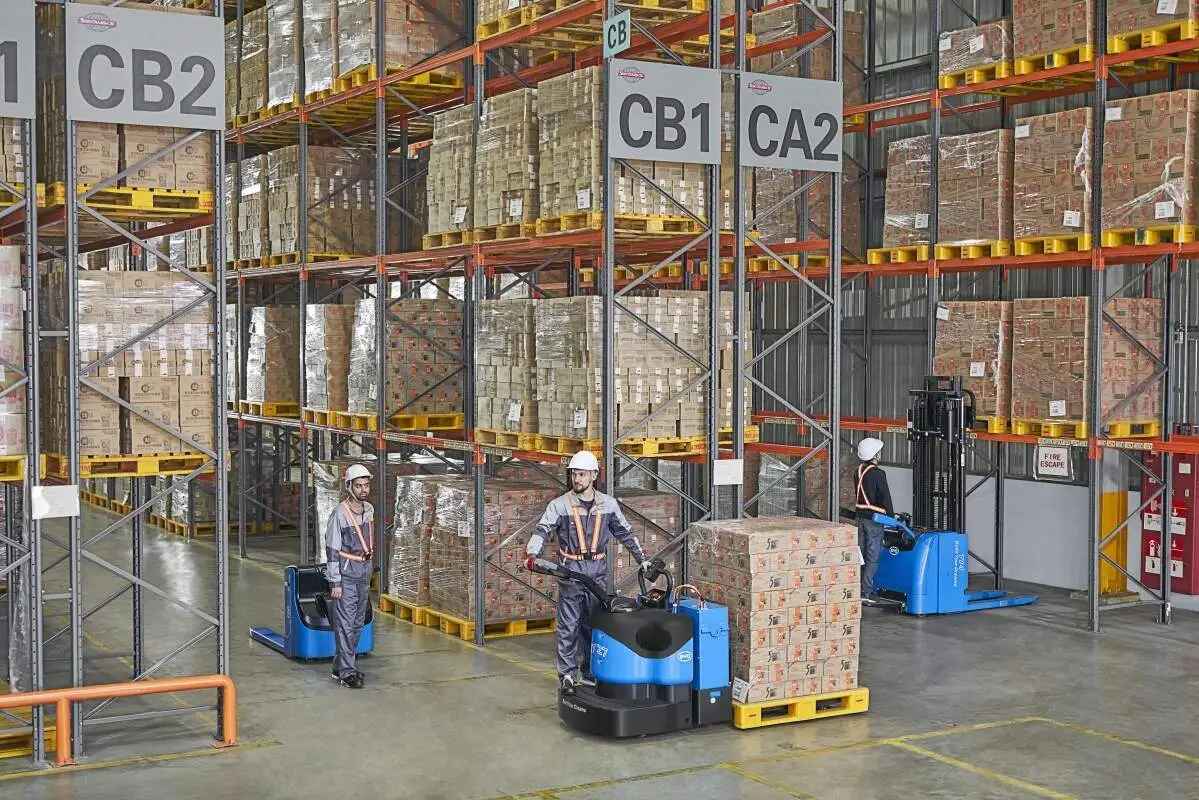
Daily forklift inspections are a critical component of workplace safety and regulatory compliance for any facility that uses powered industrial trucks. These routine checks help identify potential hazards before they lead to accidents, equipment damage, or violations of safety standards. By adhering to consistent daily inspection protocols, organizations can protect their workforce, minimize operational downtime, and ensure alignment with mandatory compliance guidelines.
Before a forklift is put into service each day, operators must conduct a thorough visual inspection. This includes examining the exterior of the truck for signs of damage, such as dents, cracks, or loose components on the mast, forks, or body. Tire conditions are also essential to assess—check for proper inflation, tread wear, and any cuts or punctures that could compromise stability during operation. Additionally, inspect all lighting and signaling devices, including headlights, taillights, turn signals, and horn, to ensure they are functioning correctly for visibility and communication in busy work environments.
Beyond visual checks, operators must test the forklift’s core functional systems to confirm safe operation. Start with the braking system: engage the parking brake and test both service brakes to ensure they respond promptly and hold the vehicle in place. Next, evaluate the steering mechanism by turning the wheel in both directions to check for excessive play or resistance, which could indicate mechanical issues. The hydraulic system is another critical area—test the lift and tilt functions of the mast to ensure smooth operation without leaks or unusual noises. Don’t overlook safety features like seat belts, overhead guard integrity, and load backrests; verify that these components are in good working order to protect the operator in case of an incident.
After completing the inspection, it’s vital to document all findings accurately. Operators should fill out a standard inspection report, noting any defects or concerns identified during the check. Minor issues that do not immediately affect safety can be reported to maintenance teams for scheduled repairs, while any critical faults that pose an immediate risk must render the forklift out of service until repairs are completed. Maintaining detailed inspection records not only supports compliance efforts but also provides a historical reference for tracking equipment performance and addressing recurring issues over time.
Daily inspections are most effective when paired with regular operator training. Organizations must ensure that all forklift operators are properly trained to conduct thorough inspections, recognize potential hazards, and understand compliance requirements. Refresher training should be provided periodically to reinforce best practices and update operators on any changes to safety standards. Additionally, facilities should establish a schedule for routine maintenance that complements daily inspections, ensuring that equipment remains in optimal condition and meets all regulatory criteria.
In summary, daily forklift inspections are not just a regulatory requirement—they are a fundamental part of a proactive safety culture. By implementing consistent inspection protocols, documenting findings, and investing in operator training, organizations can achieve and maintain site compliance, reduce the risk of accidents, and protect both their employees and assets. Prioritizing these daily checks ensures that forklifts operate safely, efficiently, and in alignment with all applicable safety guidelines.