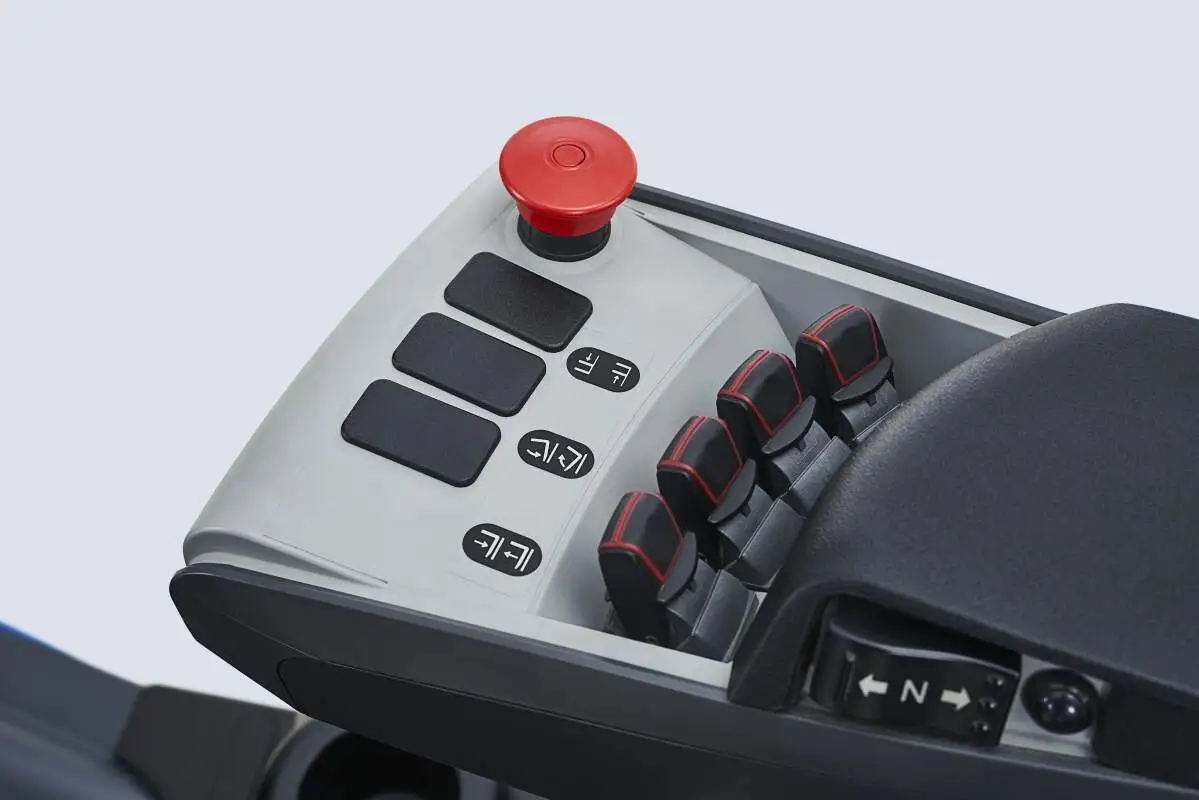
In warehouse and distribution operations, unexpected forklift downtime can disrupt workflow, delay order fulfillment, and increase operational costs. Even short periods of equipment outages can have a cascading effect on supply chain efficiency. This is where data-driven forklift monitoring systems step in, leveraging real-time and historical data to identify potential issues before they escalate into costly downtime.
Real-Time Data Monitoring for Immediate Issue Detection
Modern forklift monitoring systems collect a range of real-time data points, including battery voltage, engine temperature, hydraulic pressure, and operational load. Sensors installed across the equipment transmit this data to a central dashboard, allowing fleet managers to track each forklift’s status at a glance. For example, if a sensor detects an abnormal rise in hydraulic temperature, the system sends an instant alert to maintenance teams. This proactive notification enables technicians to address the issue during scheduled breaks, avoiding unplanned downtime that could halt critical operations.
Predictive Maintenance Powered by Historical Data Analysis
Beyond real-time alerts, these systems analyze historical performance data to identify patterns and predict future failures. Machine learning algorithms process data from thousands of operating hours to pinpoint components that are prone to wear and tear, such as brake pads or battery cells. By scheduling maintenance based on these predictions rather than fixed intervals, fleet managers can replace parts before they fail. This approach not only reduces unexpected downtime but also extends the overall lifespan of forklifts, optimizing long-term investment returns.
Operational Data Optimization for Reduced Strain
Forklift monitoring systems also capture data on operator behavior and operational patterns, such as frequent sudden stops, overloading, or inefficient route planning. Analyzing this data helps identify practices that put excessive strain on equipment, leading to accelerated wear. Fleet managers can use these insights to train operators on proper handling techniques, adjust load limits, or optimize warehouse layouts to minimize unnecessary equipment stress. By reducing avoidable strain, the risk of premature breakdowns decreases, further cutting downtime rates.
Post-Downtime Data Analysis for Root Cause Resolution
When downtime does occur, monitoring system data provides valuable insights into the root cause. Detailed logs of equipment performance leading up to the failure help maintenance teams diagnose issues more accurately and efficiently. Instead of relying on trial-and-error repairs, technicians can use data to target specific components, reducing the time required to get the forklift back in operation. Additionally, tracking recurring issues across the fleet allows managers to implement systemic fixes, preventing similar downtime incidents in the future.
In conclusion, the data applications of forklift monitoring systems are a game-changer for reducing equipment downtime. By combining real-time monitoring, predictive analytics, operational optimization, and post-failure analysis, these systems enable proactive fleet management. The result is improved operational efficiency, lower maintenance costs, and a more reliable supply chain. As warehouse operations continue to evolve, leveraging data from forklift monitoring systems will remain a key strategy for minimizing downtime and staying competitive.