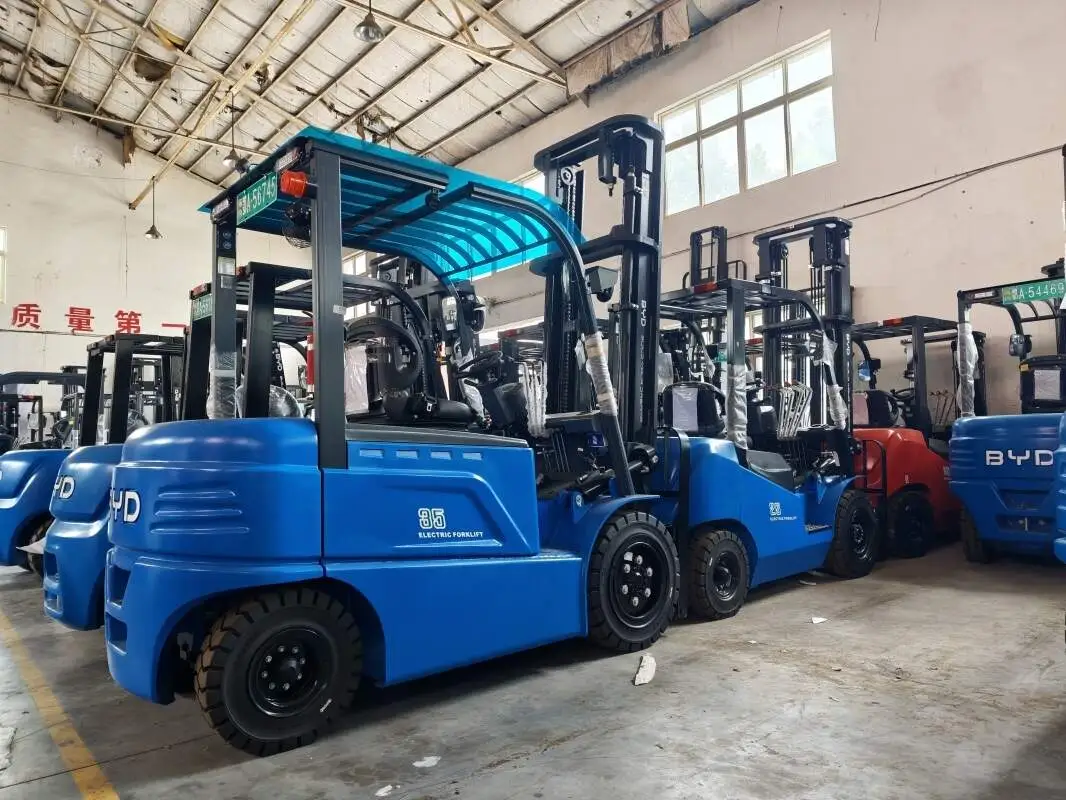
forklift carriage mounts act as the pivotal link between forklifts and their diverse attachments, from pallet forks to clamp tools. Adhering to standardized dimensions for these mounts is vital for cross-compatibility across global markets, enabling operators to swap attachments seamlessly without extensive modifications.
Across most regions, core dimensions for forklift carriage mounts are aligned to support universal attachment use. The inner width of the carriage, a foundational parameter, typically ranges from 450mm to 1200mm, varying with the forklift’s load capacity. This range ensures attachments designed for different load classes can fit securely without custom adjustments.
Another critical set of dimensions involves mounting pins: standard diameters often fall between 50mm and 80mm, with vertical spacing between pins ranging from 200mm to 400mm. These measurements are standardized to ensure attachment brackets lock into place uniformly, reducing the risk of misalignment during lifting operations. Additionally, the thickness of the carriage plate usually ranges from 16mm to 30mm for light to heavy-duty forklifts, directly impacting the mount’s load-bearing capacity to prevent deformation under weight.
Adhering to standard carriage mount sizes delivers tangible benefits. Operationally, it enhances safety: a properly sized mount reduces the risk of attachments slipping or detaching, which could lead to accidents or cargo damage. It also boosts efficiency, as businesses can source attachments from a global pool of suppliers, eliminating the time and cost of custom fabrication—especially valuable for multinational operations simplifying inventory management.
While core dimensions are standardized globally, minor regional variations exist, such as slight pin spacing preferences based on local industry practices. However, most global attachment manufacturers design products to accommodate these differences, ensuring broad compatibility. Operators should always cross-reference the forklift manual and attachment specifications to confirm alignment, even with standard sizes, to guarantee optimal performance and safety.
Understanding this standard size reference is crucial for any business using forklifts with global attachments. By prioritizing these dimensions, operators can ensure safe, efficient, and compliant operations, while gaining greater flexibility in sourcing attachments. Whether managing a small fleet or a multinational operation, standardized carriage mount sizes are key to optimizing forklift functionality.