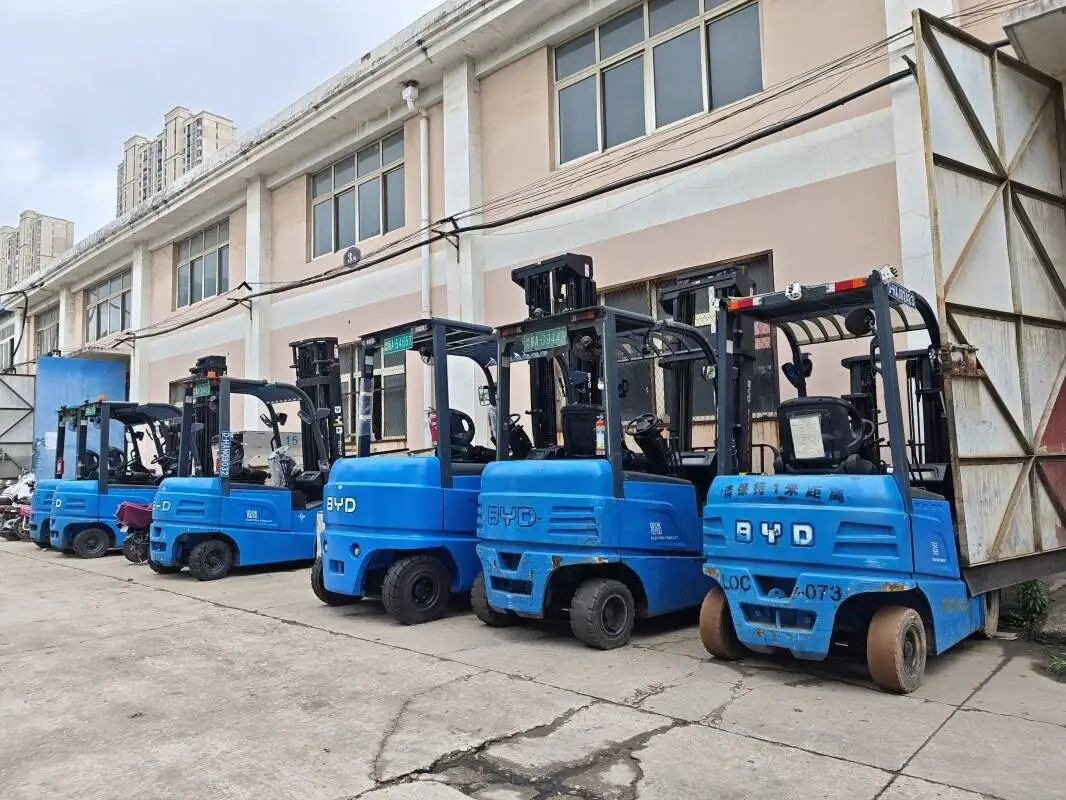
Long forklift blades are a valuable tool for handling elongated or bulky loads, such as lumber, pipes, or large pallets, in warehouses, construction sites, and logistics facilities. However, their extended length introduces unique stability challenges that make strict adherence to load-limit guidelines more critical than ever. Ignoring these limits can lead to catastrophic incidents, including forklift tip-overs, structural damage to equipment, and injuries to operators or bystanders. Below are essential load-limit reminders to ensure safe operation when using long forklift blades.
First, always prioritize the manufacturer’s specified load limit for your forklift’s extended blades. Unlike standard-length forks, long blades alter the forklift’s center of gravity, reducing its overall load-bearing capacity. The manufacturer’s documentation will outline precise load limits based on blade length, lift height, and load center distance. Never rely on guesswork or past experience; even a small overload can compromise the forklift’s stability, especially when lifting loads to maximum heights.
Second, calculate adjusted load limits when using non-standard long blades. If you’ve fitted blades longer than the forklift’s original equipment, you must use the manufacturer’s load adjustment charts or formulas to determine the safe maximum load. For example, extending blade length by 20% may reduce the allowable load by 30% or more due to the increased leverage on the forklift’s mast and frame. Failing to make these adjustments significantly increases the risk of tip-overs during turns or on uneven terrain.
Third, conduct regular inspections of long forklift blades and associated components. Long blades endure greater stress during operation, making them more prone to wear, cracks, or bending. Before each shift, inspect the blades for signs of damage, such as visible cracks, warping, or excessive wear on the upper surface. Check that the blade mounting hardware is tight and secure to prevent detachment during use. Damaged blades must be replaced immediately, as their load-bearing capacity is severely compromised.
Fourth, maintain proper load distribution and positioning. When using long blades, always position loads as close to the forklift’s mast as possible to minimize the distance between the load’s center of gravity and the forklift’s stability point. For elongated loads, ensure they are evenly distributed across both blades and secured with straps or bindings to prevent shifting during transport. Avoid uneven loads that can cause the forklift to tilt to one side, even if the total weight is within the stated limit.
Fifth, provide specialized training for operators using long forklift blades. Standard forklift training may not cover the unique challenges of extended blades. Operators should learn to recognize signs of overload, such as excessive fork bending, slow lifting speeds, or a noticeable tilt in the forklift’s frame. They should also practice maneuvering with long blades in open spaces before navigating narrow aisles or uneven terrain to build confidence and skill.
By following these load-limit reminders, you can significantly reduce the risk of accidents and ensure the safe, efficient operation of forklifts with long blades. Prioritizing safety not only protects workers and equipment but also supports smooth daily operations in any industrial setting.