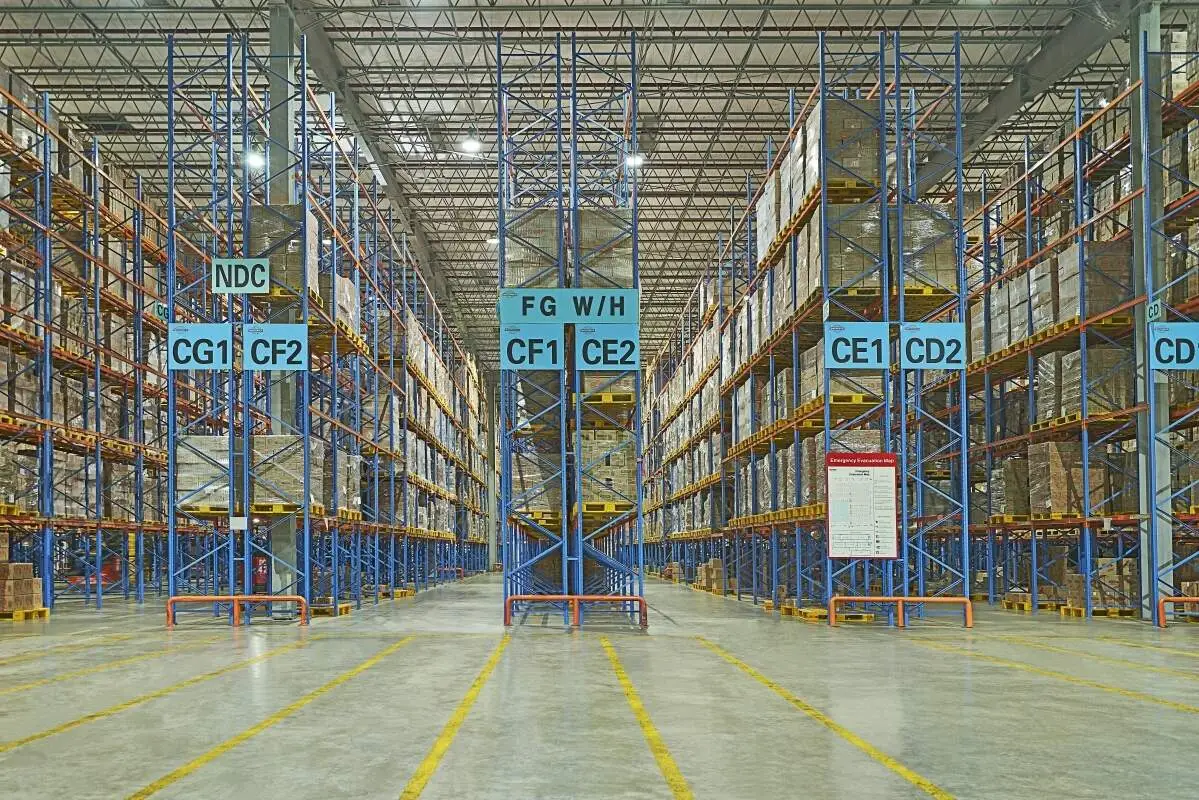
Warehouse operations rely on efficient material handling equipment to streamline workflows, especially in facilities with limited space. Mini electric forklifts have emerged as a go-to solution, thanks to specialized design characteristics that address the unique challenges of narrow aisles, frequent small-load transfers, and sustainable operation goals.
Compact dimensional design is a defining trait of these forklifts. They feature a reduced overall footprint, with narrow chassis and short wheelbases that allow navigation through aisles as narrow as 1.5 meters. Unlike larger forklift models, they prioritize space efficiency without compromising basic load-bearing capabilities, making them ideal for small to medium-sized warehouses, retail backrooms, and storage facilities with dense racking systems.
Energy-efficient powertrain design sets mini electric forklifts apart. Most models are equipped with lithium-ion batteries, which offer faster charging times, longer cycle life, and zero emissions during operation. This aligns with modern warehouse sustainability initiatives, eliminating the need for fuel storage and reducing carbon footprints. The electric powertrain also operates with lower noise levels, creating a quieter work environment that benefits warehouse staff.
Maneuverability is another core design characteristic. Advanced steering systems, such as electric power steering, enable tight turning radii, allowing operators to navigate around racks, pallets, and obstacles with ease. This agility reduces the time spent on material transfers, boosting overall operational efficiency. Additionally, many models feature adjustable travel speeds, with lower settings for precision work in crowded areas and higher speeds for longer, open-space moves.
Ergonomic design elements are integrated to support operator comfort and productivity. The operator cabin is compact but thoughtfully laid out, with adjustable seats, intuitive control panels, and clear visibility of the load and surrounding area. Reduced vibration from the electric powertrain minimizes operator fatigue during long shifts, while easy-to-reach controls streamline operation, reducing the risk of human error.
Load-adaptive design features ensure versatility across different warehouse tasks. Mini electric forklifts are available in varying load capacities, typically ranging from 1 to 2.5 tons, allowing them to handle everything from small boxes to full pallets. Some models also include adjustable mast heights, enabling access to upper racking levels without sacrificing stability.
Safety-focused design characteristics are embedded to protect both operators and warehouse assets. Built-in features such as automatic speed reduction when turning, anti-slip flooring in the cabin, and audible warning alarms for pedestrians help mitigate accident risks. The low center of gravity design enhances stability, even when carrying maximum loads on uneven warehouse floors.
In conclusion, the design characteristics of warehouse mini electric forklifts are tailored to meet the specific demands of modern warehouse operations. From compact dimensions and energy efficiency to maneuverability and safety, these features work together to create a reliable, sustainable, and efficient material handling solution that supports streamlined workflows and improved operational outcomes.