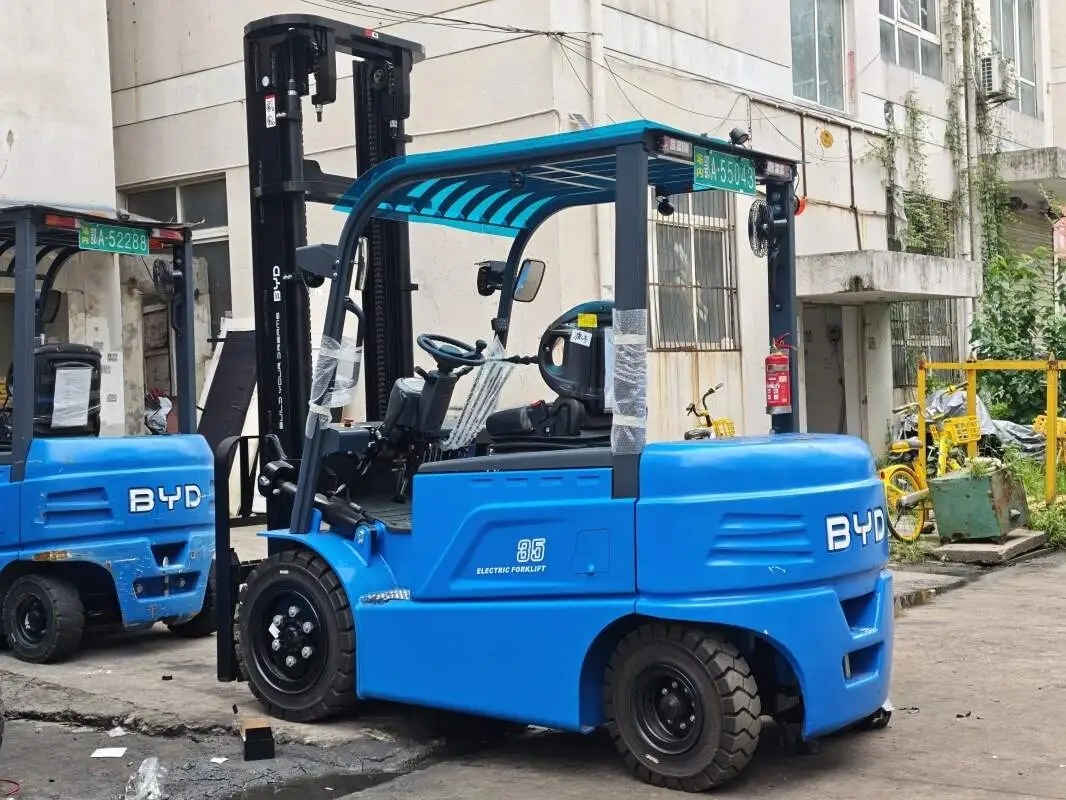
In today’s fast-paced logistics landscape, warehouses face mounting pressure to maximize storage capacity without expanding physical footprints. As inventory volumes rise and real estate costs climb, businesses are turning to specialized material handling tools to unlock higher storage density, and narrow aisle forklifts have emerged as a pivotal solution.
Unlike standard forklifts that require wide turning radii and spacious aisles, narrow aisle forklifts are engineered to operate in tight spaces, typically with aisle widths ranging from 6 to 8 feet. Their compact design features slimmer frames, shorter wheelbases, and advanced steering systems that enable precise maneuverability. This eliminates the need for excess aisle space, allowing warehouses to install more storage racks or extend existing racks vertically, directly boosting overall storage capacity.
A core advantage of narrow aisle forklifts is their ability to support vertical storage expansion. Many models can reach heights of up to 40 feet or more, enabling businesses to utilize the full vertical space of their warehouses. By storing inventory on higher racks, warehouses can significantly increase the number of pallets stored per square foot, while maintaining easy access to every item. The narrow aisle configuration also allows for more rack rows within the same floor area, further multiplying storage density.
Beyond space optimization, these forklifts offer tangible operational benefits. Ergonomic controls reduce operator fatigue during long shifts, ensuring consistent productivity. Advanced safety features like obstacle detection systems and precise load-handling mechanisms minimize accident risks, protecting both inventory and personnel. Electric-powered models contribute to a quieter, cleaner warehouse environment, making them suitable for indoor operations and facilities with strict emission standards.
Successful integration of narrow aisle forklifts requires careful planning. Warehouses must assess existing racking systems, floor conditions, and inventory types to ensure compatibility. Operators need specialized training to handle these compact machines effectively, as their maneuverability demands a higher level of precision. Regular maintenance is also crucial to keep forklifts in optimal condition, ensuring reliable performance and extending their lifespan.
In conclusion, narrow aisle forklifts are a strategic investment for warehouses aiming to enhance storage density and operational efficiency. By leveraging their compact design and vertical reach, businesses can maximize existing space, reduce real estate costs, and better meet modern supply chain demands. As warehouse operations evolve, these specialized forklifts will remain a key solution for sustainable space optimization.