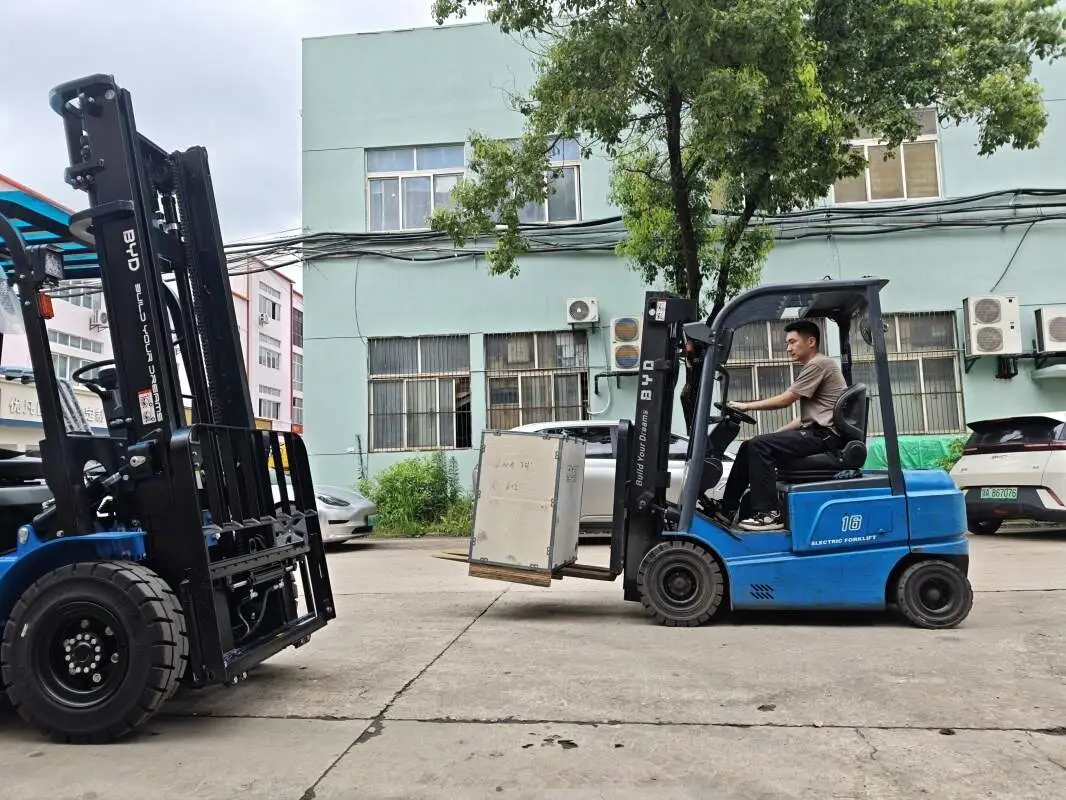
electric forklifts are integral to material handling operations in warehouses, distribution centers, and manufacturing facilities, offering efficiency and maneuverability for lifting and transporting heavy loads. However, their safe operation relies heavily on a well-defined lift plan, which outlines critical steps to mitigate risks and ensure compliance with workplace safety standards. A comprehensive lift plan is not just a procedural document; it is a foundational element that protects operators, bystanders, and valuable assets from potential accidents.
The first core requirement of a forklift lift plan is thorough load assessment. Before initiating any lift operation, operators must verify the load’s weight, dimensions, and center of gravity. Exceeding the forklift’s rated capacity or handling an unbalanced load can lead to tip-overs, which are among the most common and dangerous forklift-related incidents. Operators should inspect the load for stability, ensuring it is properly secured using straps, pallets, or other appropriate fastening methods. Additionally, they must confirm that the load does not obstruct visibility, as impaired sight can increase the risk of collisions with objects or personnel.
Route planning is another vital component of a lift plan. Operators need to map out the entire path from the load’s starting point to its destination, taking into account potential obstacles such as low ceilings, narrow aisles, uneven floors, and high-traffic areas. The plan should include clear guidelines on maintaining safe speeds, keeping a safe distance from pedestrians and other equipment, and avoiding sudden turns or stops that could disrupt the load’s balance. It is also important to identify designated lifting zones where operations can be conducted without interfering with other workplace activities, reducing the likelihood of unexpected hazards.
Pre-operation inspections of the forklift itself are non-negotiable in any lift plan. Before using the equipment, operators must perform a visual and functional check of key components, including the lifting mechanism, brakes, tires, steering system, and battery. Any signs of damage or malfunction—such as worn brake pads, leaky hydraulic lines, or uneven tire pressure—must be reported and addressed before operation begins. This proactive step ensures that the forklift is in optimal working condition, minimizing the risk of equipment failure during a lift.
Operator competence is a fundamental requirement that underpins the entire lift plan. Only trained and certified individuals should be allowed to operate electric forklifts. Training programs must cover not only basic operation skills but also specific lift plan execution, load handling techniques, and emergency response procedures. Operators should be familiar with the details of the lift plan for each task, including load specifications, route details, and safety protocols. Regular refresher training ensures that operators stay updated on best practices and regulatory changes, maintaining a high level of safety awareness.
Finally, a robust lift plan must include clear emergency protocols. In the event of a lift-related incident, such as a load shift or equipment malfunction, operators need to know how to respond quickly and safely. Protocols should outline steps for stabilizing the forklift, securing the load, evacuating the area if necessary, and notifying supervisors or emergency personnel. Having these procedures in place helps minimize the severity of accidents and ensures a coordinated response to any unforeseen situations.
In conclusion, a well-structured lift plan is essential for safe and efficient electric forklift operation. By addressing load assessment, route planning, pre-operation inspections, operator competence, and emergency protocols, businesses can create a safer work environment, reduce the risk of accidents, and ensure compliance with industry safety standards. Regular review and update of lift plans, based on operational feedback and regulatory changes, further enhance their effectiveness, making them a cornerstone of responsible material handling practices.