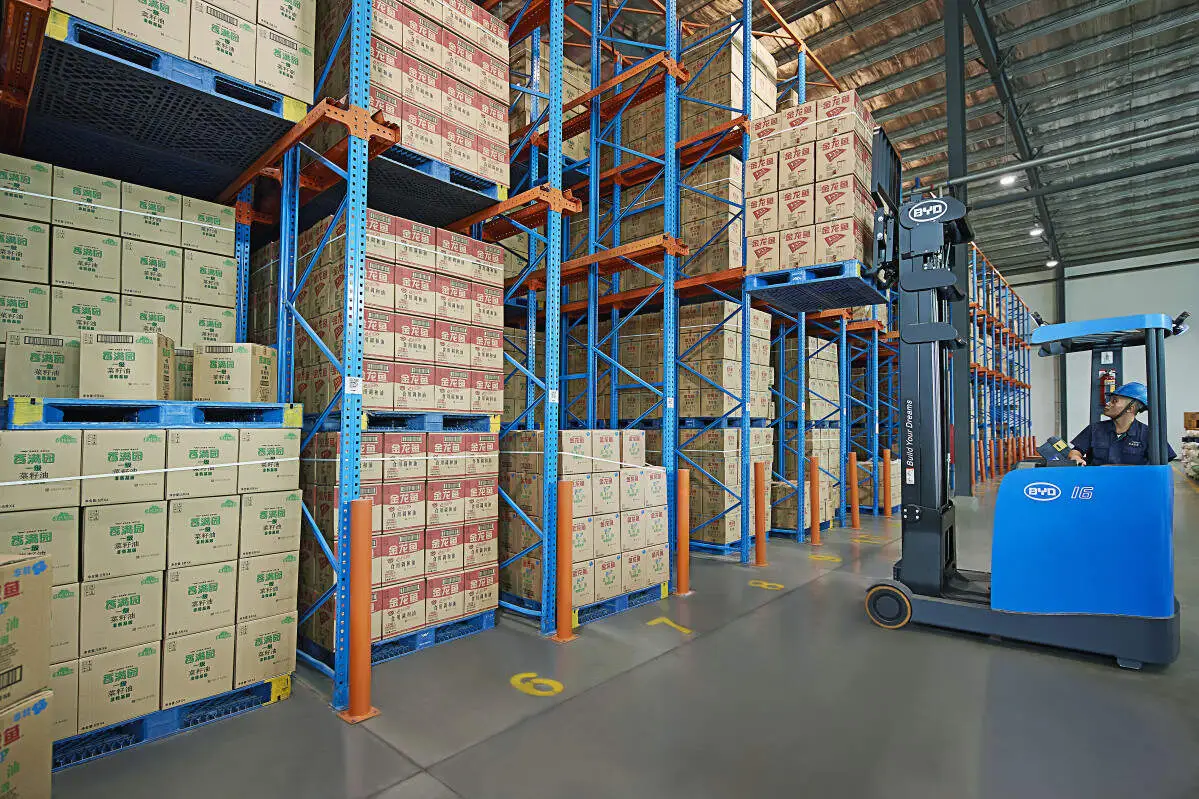
As global supply chains and warehouse operations increasingly prioritize sustainability, green power forklift models have emerged as a viable alternative to traditional fuel-powered counterparts. Beyond their environmental benefits, these forklifts offer compelling operating cost advantages that can significantly impact a business’s bottom line over time. Let’s explore the key areas where green power forklifts deliver cost savings.
One of the most immediate operating cost advantages of green power forklifts is reduced energy expenditure. Traditional diesel or propane forklifts rely on fluctuating fuel prices, which can lead to unpredictable operating costs. In contrast, electric forklifts run on electricity, which often has more stable pricing structures and can be sourced from renewable energy sources for even greater savings. For example, the hourly energy cost for an electric forklift is typically 30-50% lower than that of a diesel-powered model, depending on local energy rates. Hydrogen fuel cell forklifts, while still emerging, also offer long-term energy cost stability as hydrogen production becomes more efficient and accessible.
Green power forklifts also boast lower maintenance requirements compared to their fuel-powered equivalents. Traditional forklifts have complex internal combustion engines that require regular oil changes, filter replacements, and tune-ups to maintain performance. These tasks not only incur direct costs but also lead to downtime for the equipment. Electric forklifts, on the other hand, have fewer moving parts—their electric motors and battery systems require minimal routine maintenance, such as periodic battery inspections and cleaning. Hydrogen fuel cell models similarly have fewer wear-and-tear components, reducing the need for frequent repairs and part replacements. Over the lifespan of the equipment, these reduced maintenance needs translate into substantial cost savings.
The simplified design of green power forklifts contributes to a longer operational lifespan, further enhancing their cost-effectiveness. Electric motors experience less wear than internal combustion engines, as they operate at consistent speeds without the stress of frequent start-stop cycles and combustion processes. This means green power forklifts can remain in service for more years than traditional models, delaying the need for costly equipment replacements. Additionally, battery technology for electric forklifts continues to improve, with modern batteries offering longer cycle lives and faster charging times, reducing the need for premature battery replacements.
In many regions, strict environmental regulations impose costs on fuel-powered equipment due to emissions. Traditional forklifts may require additional emission control devices, periodic emissions testing, or could face fines for non-compliance. Green power forklifts produce zero tailpipe emissions (in the case of electric models) or minimal emissions (for hydrogen fuel cells), eliminating these compliance-related costs. Furthermore, some jurisdictions offer incentives or tax breaks for businesses adopting sustainable equipment, which can offset initial investment costs and further reduce overall operating expenses.
While green power forklifts may have a higher upfront purchase price compared to traditional models, the cumulative operating cost savings over their lifespan often make them a more economical choice. From lower energy and maintenance costs to extended equipment life and reduced compliance expenses, these forklifts offer a range of financial benefits that align with both sustainability goals and business profitability. For businesses looking to optimize their material handling operations, investing in green power forklift models can deliver long-term value and cost efficiency.