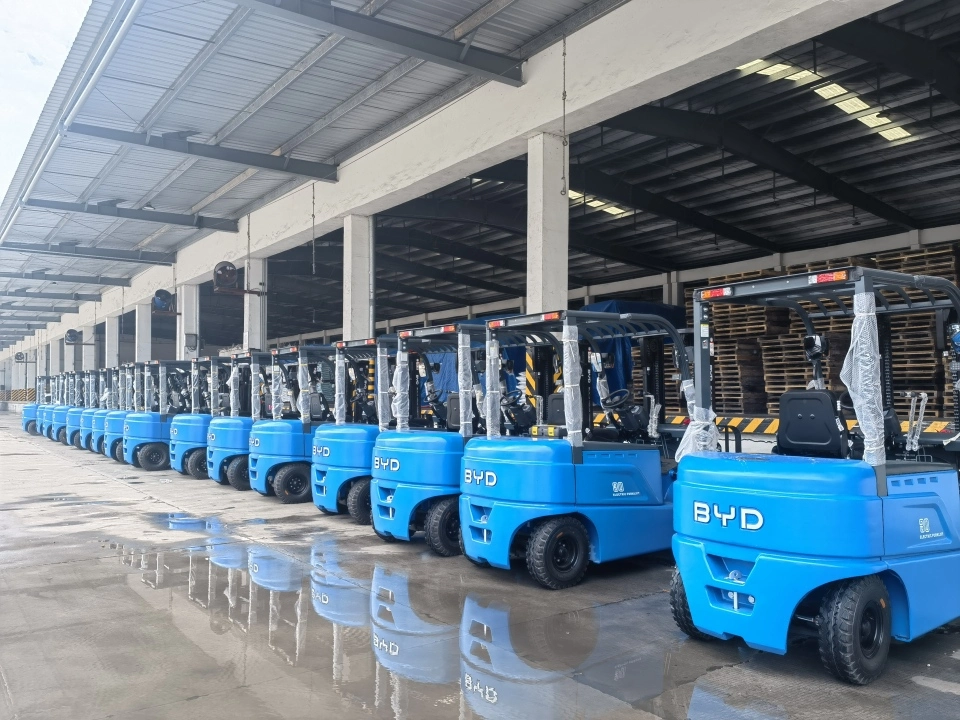
Before operating any forklift, conducting a thorough pre-operation safety inspection is not just a regulatory requirement—it’s a fundamental practice to mitigate risks, protect personnel, and ensure smooth operations in warehouses, manufacturing facilities, and industrial sites. Even minor overlooked issues can escalate into serious accidents, making this daily check a non-negotiable part of forklift operation.
Start with a visual exterior inspection. Walk around the forklift to examine its overall condition. Check for any visible damage to the frame, body panels, or mast, as structural weaknesses can compromise stability during lifting tasks. Inspect the tires: verify proper air pressure, look for excessive wear, cuts, or bulges that could lead to blowouts. Examine the fork tines for bending, cracks, or uneven wear; damaged tines can fail under load, causing cargo to fall. Also, check for signs of fluid leaks—oil, hydraulic fluid, or coolant—on the ground or under the vehicle, as leaks indicate potential mechanical failures.
Next, move on to mechanical and hydraulic system checks. For hydraulic systems, confirm the fluid level is within the recommended range before starting the forklift. Once the engine or electric motor is running, listen for unusual noises such as grinding, squealing, or knocking, which may signal worn bearings, damaged gears, or hydraulic issues. Test the mast’s lifting and tilting functions: raise and lower the forks fully, tilt them forward and backward, to ensure smooth operation without delays or jerks. Verify the functionality of the braking system: engage the parking brake to ensure it holds the vehicle in place, test service brakes during a slow drive to confirm responsiveness.
For electric forklifts, a focused electrical system inspection is critical. Check the battery’s charge level using the built-in indicator; low battery can lead to unexpected shutdowns mid-operation. Inspect all electrical cables and connectors for fraying, corrosion, or loose connections, which pose fire or electrocution risks. Test all lighting and signaling devices: ensure headlights, taillights, turn signals, and hazard lights work properly. Verify the horn and reverse alarm are functional, as these are essential for alerting nearby workers of the forklift’s presence.
Finally, inspect operator controls and safety features. Ensure the steering wheel turns smoothly without excessive play. Test all control levers for the forks, mast, and attachments to confirm they respond correctly when manipulated. Check the seatbelt for fraying or damage, ensuring it latches securely. Adjust mirrors to provide clear visibility of the surrounding area. Confirm that safety features like overhead guard, load backrest extension, and fire extinguisher are in place and in good working condition—these devices can prevent serious injuries in case of accidents.
Completing this pre-operation checklist takes only a few minutes, but its impact on safety is significant. Any issues identified during the inspection should be reported to maintenance staff immediately, and the forklift should not be operated until repairs are completed. By making this inspection a daily habit, forklift operators contribute to a safer workplace and reduce the risk of costly accidents and downtime.