The classification of electric forklifts within industrial equipment frameworks has sparked ongoing debate among facility managers, regulatory advisors, and equipment specialists: do these workhorse machines qualify as fixed plant equipment? To unpack this question, it is essential to first establish clear definitions of core terms and examine the operational, design, and regulatory contexts that shape such categorizations.
Fixed plant equipment is generally defined as machinery that is permanently integrated or anchored to a specific location within an industrial facility, built for long-term, dedicated use in that space. Examples include stationary conveyor systems, built-in industrial furnaces, and fixed pumping units. These assets are woven into the facility’s infrastructure, often requiring specialized installation processes and being non-portable without extensive disassembly. Their classification is closely tied to their immobility and role as a permanent component of the facility’s operational setup.
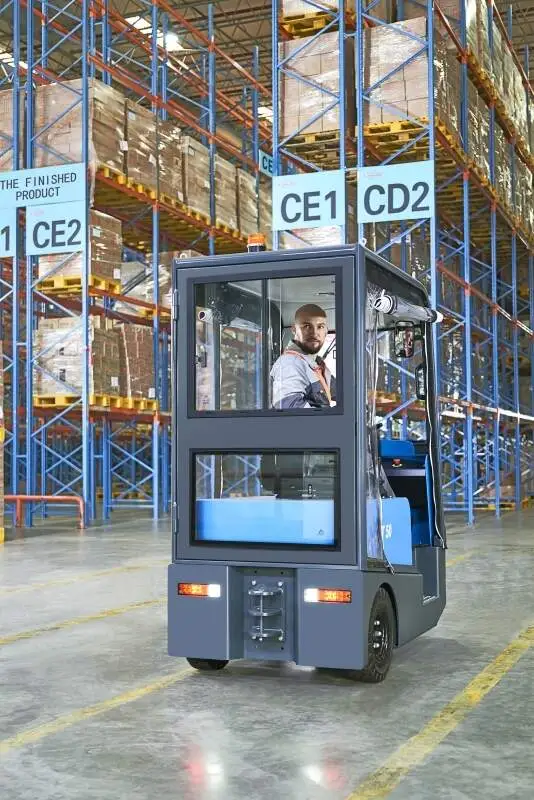
Electric forklifts, by stark contrast, are engineered for mobility. Equipped with robust wheels and rechargeable battery systems, they are designed to navigate freely across warehouse floors, loading docks, and outdoor storage yards, transporting materials between diverse operational zones. While many forklifts are used consistently within a single facility, their inherent portability distinguishes them from traditional fixed plant equipment. Most standard models can be relocated to other sites with minimal logistical effort—a feature that aligns far more closely with mobile industrial equipment categories.
Regulatory perspectives add another layer of complexity to the discussion. Classification may vary by region, with decisions often influenced by factors like safety compliance standards, asset registration requirements, and tax treatment protocols. For example, fixed plant equipment may be subject to different periodic inspection rules compared to mobile machinery. Operational use cases also play a role: in rare instances, a forklift might be modified to fulfill a fixed, dedicated function—such as being mounted to a conveyor line for continuous loading and unloading—which could blur the lines between fixed and mobile categories. However, such modifications are outliers, and the vast majority of electric forklifts retain their full mobile functionality.
Ultimately, the classification of electric forklifts as fixed plant equipment hinges on a combination of design intent, day-to-day operational use, and regional regulatory definitions. For most standard applications, their inherent mobility and non-permanent installation mean they fall firmly under the mobile industrial equipment umbrella. However, edge cases involving specialized modifications or long-term fixed deployment require careful, case-by-case evaluation. As industrial operations continue to evolve with new technologies and workflows, ongoing dialogue between stakeholders will remain crucial to ensuring accurate, practical classification that aligns with safety, operational efficiency, and regulatory compliance needs.