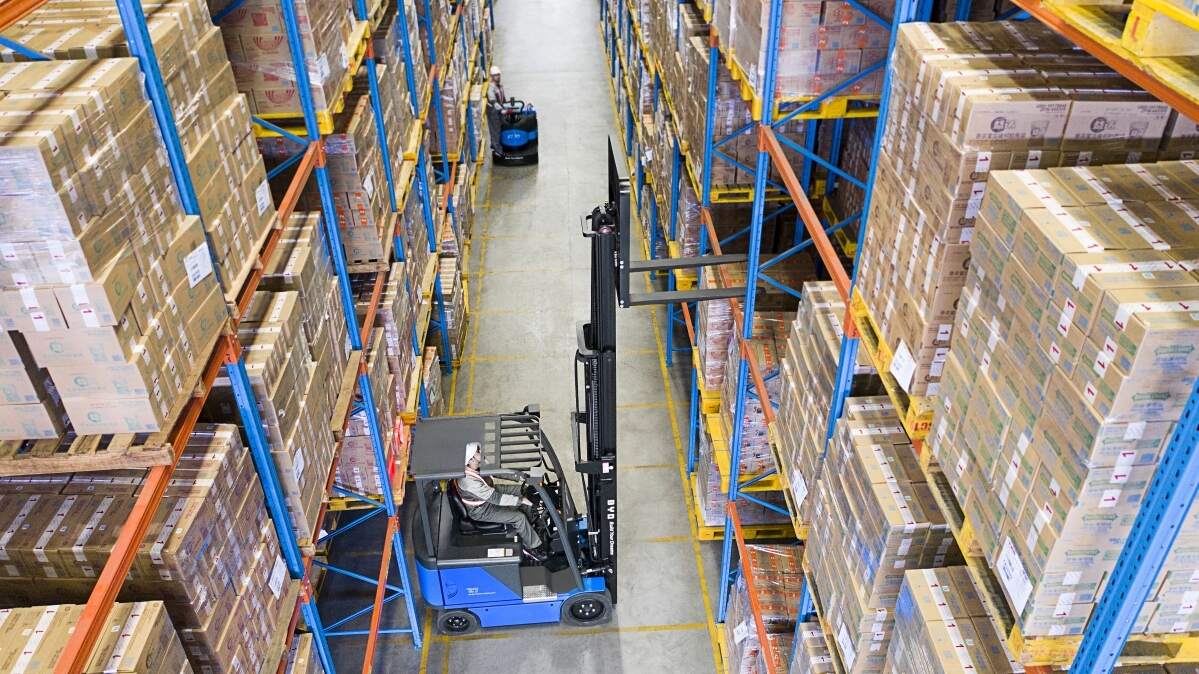
In industrial material handling, drums are a common container for storing liquids, powders, and bulk materials, making their safe and efficient movement a critical part of daily operations. Forklifts are workhorses in warehouses and manufacturing facilities, but their standard forks often lack the specialized design needed to handle drums without risk of damage or injury. This is where drum handling attachments come into play, offering a tailored solution to streamline drum lifting, transporting, and positioning tasks.
Drum handling attachments come in several designs to suit different drum types and operational needs. Clamp-style attachments grip the drum’s body securely, using hydraulic or manual mechanisms to adjust to varying drum diameters. Hoop-style attachments wrap around the drum’s top or bottom, providing stable support for lifting, while fork-mounted drum cradles slide onto standard forklift forks to hold drums upright during transport. Each design is engineered to distribute weight evenly, reducing the risk of drum tipping, spilling, or deformation.
Safety is a top priority in any industrial setting, and drum handling attachments play a vital role in minimizing workplace hazards. Without specialized equipment, workers may attempt to secure drums to forklift forks using ropes or straps, which can slip under load, leading to accidents, product loss, or employee injuries. Drum handling attachments eliminate these risks by providing a secure, dedicated grip that keeps drums stable throughout lifting and movement. Additionally, many attachments allow operators to handle drums from a safe distance, reducing the need for manual intervention near heavy loads.
Beyond safety, these attachments significantly boost operational efficiency. With a drum handling attachment, a forklift operator can pick up, transport, and place a drum in a fraction of the time it would take using makeshift methods. This reduces downtime, increases throughput, and allows facilities to handle more materials with the same equipment and workforce. For facilities that process large volumes of drums, this efficiency translates directly to cost savings and improved productivity.
To maximize the benefits of drum handling attachments, proper usage and regular maintenance are essential. Operators should receive training on how to select the right attachment for the drum type and load weight, as well as how to inspect attachments for wear or damage before each use. Regular cleaning and lubrication of moving parts will extend the attachment’s lifespan and ensure reliable performance. It’s also important to follow load capacity guidelines to avoid overloading, which can compromise safety and equipment integrity.
In conclusion, drum handling attachments are indispensable tools for optimizing forklift operations in industrial material handling. By enhancing safety, improving efficiency, and reducing the risk of product damage, these attachments provide a cost-effective solution to one of the most common challenges in warehouse and manufacturing environments. Investing in quality drum handling attachments and training staff on their proper use can lead to long-term improvements in operational performance and workplace safety.