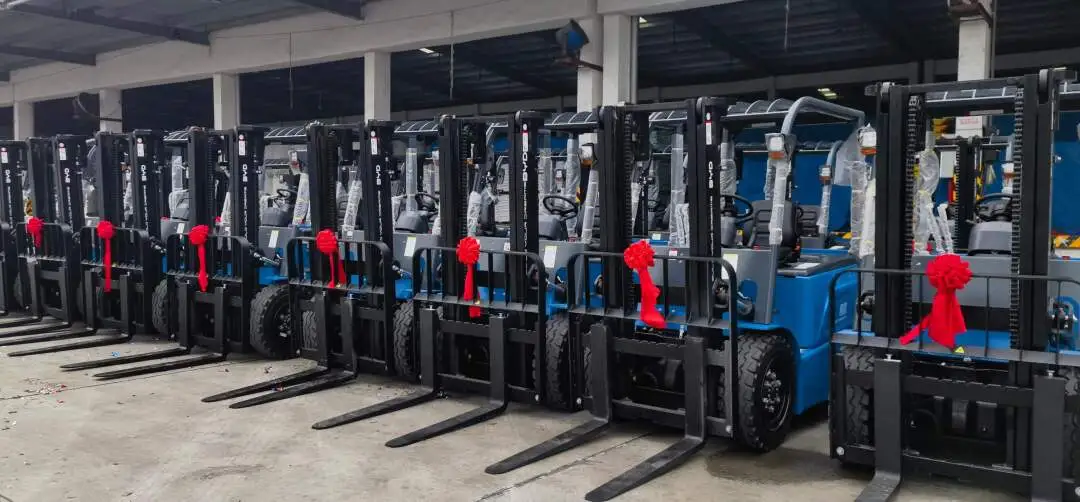
forklift propane tanks are essential components for powering industrial forklifts, offering efficient and clean energy solutions for warehouse and logistics operations. Understanding the current market price reference for these tanks is crucial for businesses looking to manage operational costs effectively.
Several key factors influence the pricing of forklift propane tanks. First, size plays a significant role. Smaller tanks, typically ranging from 20 to 33 pounds, are designed for lighter-duty forklifts and tend to have a lower price point compared to larger 42-pound tanks, which cater to heavy-duty, high-usage equipment. Material construction is another critical factor; tanks made from durable steel with corrosion-resistant coatings often cost more than basic steel models, as they offer longer lifespan and better performance in harsh industrial environments.
Regulatory certifications also impact pricing. Tanks that meet strict safety standards for pressure and leak prevention may carry a premium, as they require rigorous testing and compliance with industry regulations. Additionally, market supply and demand dynamics can cause price fluctuations. During peak seasons, such as holiday logistics surges or construction booms, increased demand for propane tanks may lead to temporary price increases, while oversupply periods can result in more competitive pricing.
As of the current market period, the price range for forklift propane tanks varies based on the above factors. Smaller 20-pound tanks generally fall in the range of $150 to $250, while 33-pound tanks typically cost between $220 and $350. Larger 42-pound tanks, which are the most common for heavy industrial use, usually range from $300 to $450. These prices reflect standard, certified models without additional accessories such as gauges or refill valves, which can add $30 to $80 to the total cost.
Current market trends show a gradual increase in propane tank pricing over the past year, driven by rising raw material costs and supply chain adjustments. However, this increase has been moderate, with average prices rising by approximately 5 to 8% across all tank sizes. Businesses can mitigate these costs by purchasing in bulk during off-peak periods or opting for reconditioned tanks, which are thoroughly inspected and certified, offering a more cost-effective alternative to new models at 30 to 40% lower prices.
When considering a purchase, it is important to evaluate long-term value rather than just upfront cost. Investing in a high-quality, certified tank can reduce maintenance expenses and minimize downtime due to tank failures. Additionally, working with reputable suppliers who offer reliable after-sales support can ensure that your tanks remain in optimal condition for years to come.