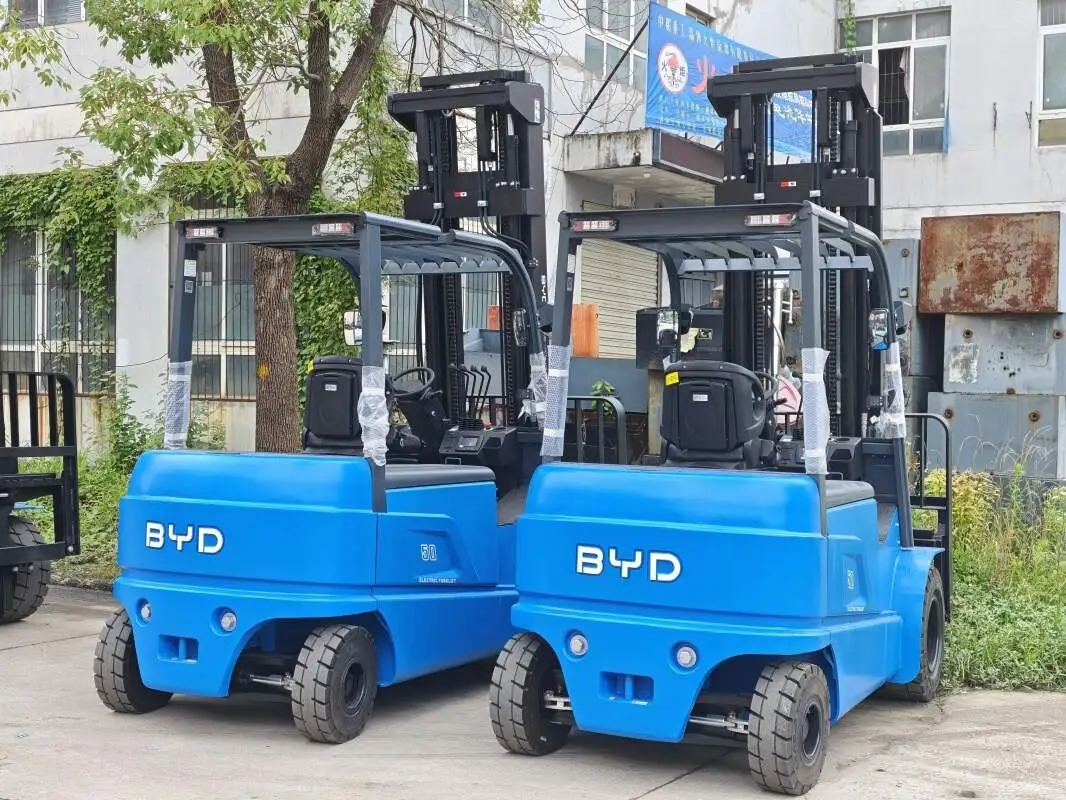
Chemical drums are a staple in industrial settings, often carrying hazardous substances that pose significant risks if handled improperly. Forklifts equipped with drum lifter attachments are essential tools for streamlining drum movement, but their safe use requires strict adherence to guidelines to prevent spills, accidents, and worker injuries. This guidance outlines key practices to ensure safe chemical drum handling with a forklift drum lifter attachment.
Before any drum handling task, conduct thorough pre-operation inspections of both the forklift and the drum lifter attachment. Inspect the forklift’s brakes, steering, and hydraulic systems to confirm they function correctly. For the attachment, examine all components—including hooks, clamps, and lifting chains—for signs of wear, corrosion, or damage. Additionally, assess the chemical drum itself: check for dents, leaks, or damaged seals that could compromise its integrity. Never attempt to lift a drum with structural failures or unlabeled contents, as this may lead to hazardous spills or unexpected weight shifts.
Once inspections are complete, position the forklift correctly relative to the drum. Lower the drum lifter attachment to align with the drum’s top rim or designated lifting points. Follow the attachment’s operational instructions to secure the drum firmly; whether using a clamp-style, hook-style, or gripper attachment, ensure even engagement around the drum to avoid tilting during lifting. Double-check that all locks or latches are fully engaged before initiating movement. For drums with hazardous contents, verify the grip is tight enough to prevent slippage, even if the drum shifts slightly during transport.
When lifting the drum, do so slowly and smoothly to avoid sudden jolts that could dislodge or spill contents. Keep the drum at a low height—just a few inches off the ground—while moving to minimize injury or damage risks if a drop occurs. Maintain a clear line of sight at all times, and avoid tight spaces or uneven terrain unless necessary. Never exceed the combined weight capacity of the forklift and attachment, as overloading can cause tipping or equipment failure.
After completing the task, lower the attachment carefully and disengage it from the drum. Clean any chemical residues from the attachment and store it in a dry, secure location away from corrosive substances to prevent rust or damage. Schedule regular professional maintenance for both the forklift and attachment, including lubrication of moving parts and replacement of worn components to ensure long-term safety and functionality.
Finally, ensure all workers are trained in emergency response procedures. Keep spill kits and first aid supplies readily accessible near drum-handling areas. In the event of a spill or equipment failure, stop operations immediately, evacuate if needed, and follow workplace emergency protocols to minimize harm to workers and the environment.
By following these guidelines, workers can significantly reduce risks associated with chemical drum handling. Prioritizing inspections, proper securing, safe transport, maintenance, and emergency preparedness creates a safer work environment for everyone involved.