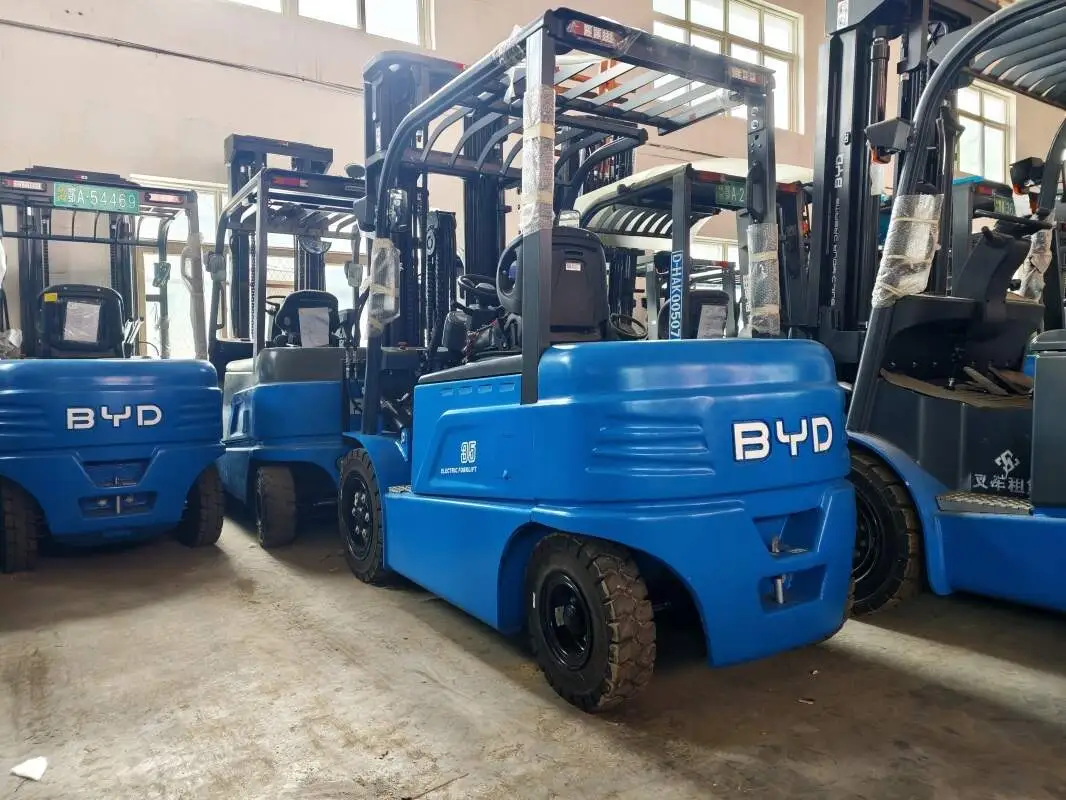
When considering a second-hand forklift, understanding the key factors that drive its price is essential for making a cost-effective purchase. Unlike new equipment, used forklift values are shaped by a combination of tangible and contextual elements, making price references a valuable tool for buyers navigating the market.
One of the most critical determinants of a used forklift’s price is its total usage hours, often more telling than its manufacturing age. A forklift that’s five years old but has only 2,000 operating hours will generally command a higher price than a three-year-old model with 6,000 hours, as lower hours indicate less wear on core components like the engine, transmission, and hydraulic system. Buyers should verify hour meter readings and cross-check them with maintenance records to ensure accuracy.
A well-documented maintenance history significantly boosts a used forklift’s value. Forklifts that have been serviced per standard guidelines—with regular oil changes, filter replacements, and component inspections—are less likely to face unexpected breakdowns. Complete records also provide insight into past repairs, helping buyers assess whether the forklift has been subject to major issues that could affect long-term reliability. Lack of maintenance documentation often leads to reduced pricing, as buyers assume higher future repair costs.
The environment in which a forklift has operated plays a key role in its value. Forklifts used in controlled indoor warehouse settings, where surfaces are smooth and exposure to extreme weather or corrosive materials is minimal, tend to retain more value. In contrast, models used in outdoor construction sites, muddy yards, or chemical processing facilities may show accelerated wear on tires, frames, and electrical components, leading to lower price points. Buyers should inspect for signs of rust, corrosion, or tire damage that indicate harsh operating conditions.
Specific configurations and specifications also impact pricing. Forklifts with higher load capacities, greater lift heights, or specialized attachments often command premium prices, as they cater to niche operational needs. Fuel type is another consideration: electric forklifts, which are quieter and produce zero emissions, may hold value better in regions with strict environmental regulations, while diesel models might be more sought-after for heavy-duty outdoor tasks. The alignment of a forklift’s specs with current market demand directly influences its resale price.
Finally, market supply and demand dynamics shape used forklift prices. If there’s a shortage of forklifts with specific capabilities—such as narrow-aisle models for compact warehouses—prices for these units may rise. Conversely, oversupply of common forklift types can lead to lower pricing. Seasonal trends also play a part; demand often increases ahead of peak logistics periods, driving up prices for reliable used forklifts. Staying informed about current market trends helps buyers time their purchases for better value.
By taking these key elements into account, buyers can develop a realistic used forklift price reference and make informed decisions. Whether assessing usage hours, reviewing maintenance records, evaluating operating conditions, checking specifications, or monitoring market trends, each factor contributes to the overall value of the equipment. A thorough evaluation ensures that buyers get a forklift that meets their operational needs without overpaying, balancing cost and reliability for long-term efficiency.