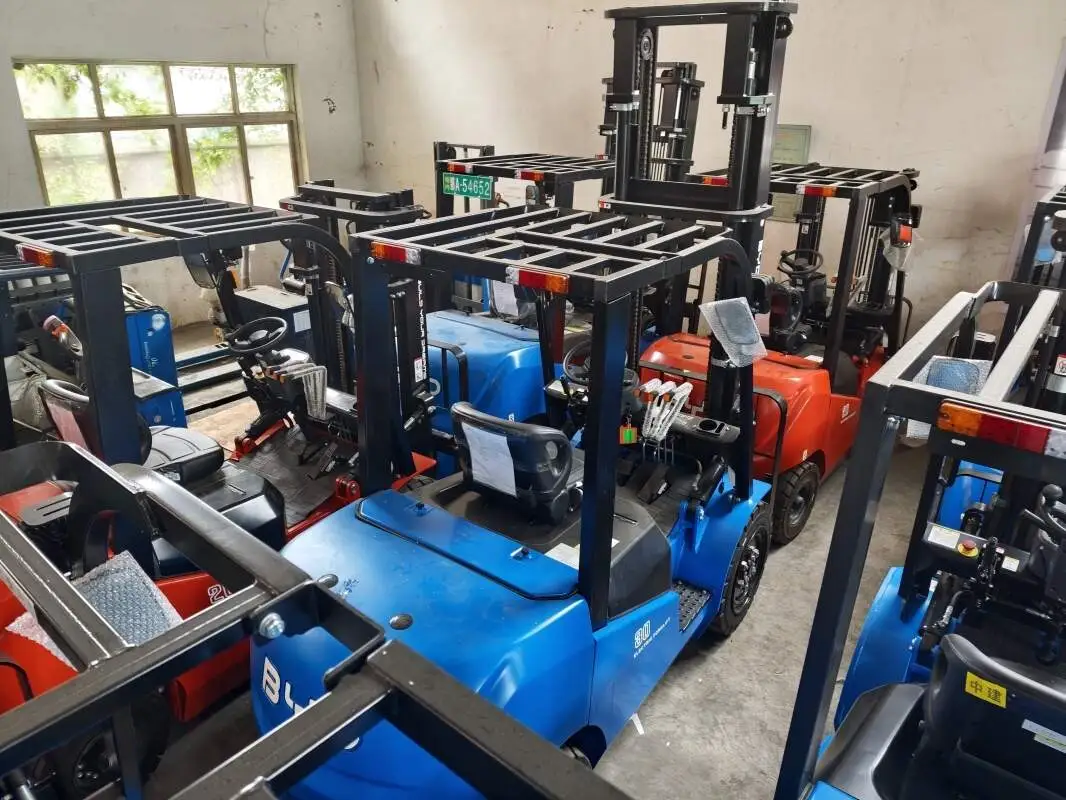
Buying a used electric forklift from a private seller can offer cost savings compared to purchasing from a dealer, but it also comes with unique risks. Without structured warranties and dealer-provided inspections, buyers must conduct thorough due diligence to ensure they’re investing in a reliable, safe, and functional piece of equipment. A well-crafted checklist helps guide this process, covering every critical aspect from mechanical condition to legal documentation.
Start with a detailed inspection of the forklift’s mechanical components. Begin with the tires, checking for uneven wear, cracks, or punctures that could indicate poor alignment or heavy-duty usage. Test the braking system by driving the forklift on a flat surface and applying the brakes firmly—they should engage smoothly without pulling to one side or making unusual noises. Next, evaluate the lifting mechanism: lower and raise the forks multiple times, listening for grinding sounds and ensuring the movement is steady. Inspect the mast for signs of bending or rust, as structural damage can compromise safety during operation. Don’t forget to check the steering system; turn the wheel fully in both directions to confirm responsiveness and lack of play, which might signal worn components.
The electrical system is the heart of an electric forklift, so this section demands close attention. Start with the battery: examine its casing for leaks, corrosion, or bulging, all of which are red flags. Ask the seller about the battery’s age and charging history—most forklift batteries last 5-7 years, so an older unit might require costly replacement soon. Test the forklift’s startup process; it should turn on quickly without hesitation. Inspect the wiring and connectors throughout the forklift, looking for frayed wires, loose connections, or signs of overheating. Additionally, test all electrical accessories, such as the lights, horn, and control panel displays, to ensure they function as intended.
Understanding the forklift’s usage history is key to assessing its longevity. Ask the seller how many hours the forklift has been in operation—hour meter readings can be verified by cross-referencing with maintenance records. Inquire about its primary use: was it used for light warehouse tasks or heavy outdoor lifting? Heavy or frequent usage can accelerate wear and tear. Request any available maintenance records, including battery servicing and part replacements. A seller who can provide consistent maintenance documentation is more likely to have cared for the forklift properly. Also, ask if the forklift has been involved in any accidents, and inspect the frame and body for signs of repair that might indicate hidden damage.
Finally, ensure all legal and safety documentation is in order. Request proof of ownership, such as a title or bill of sale, to confirm the seller has the right to transfer the forklift to you. Ask if the forklift has passed recent safety inspections, as many regions require regular checks for industrial equipment. Verify that there are no outstanding liens or loans against the forklift, which could create legal issues after purchase. It’s also wise to check local regulations regarding the registration and operation of used forklifts to ensure compliance once you take ownership.
Conducting thorough due diligence using this checklist doesn’t just protect your investment—it ensures the forklift you purchase is safe for you and your team to operate. Whenever possible, bring a qualified mechanic or forklift technician along to perform a professional inspection, as they can identify issues that might go unnoticed by an untrained eye. Taking the time to verify every aspect of the forklift before making a purchase will help you avoid costly repairs and downtime, ensuring you get a reliable piece of equipment that meets your operational needs.