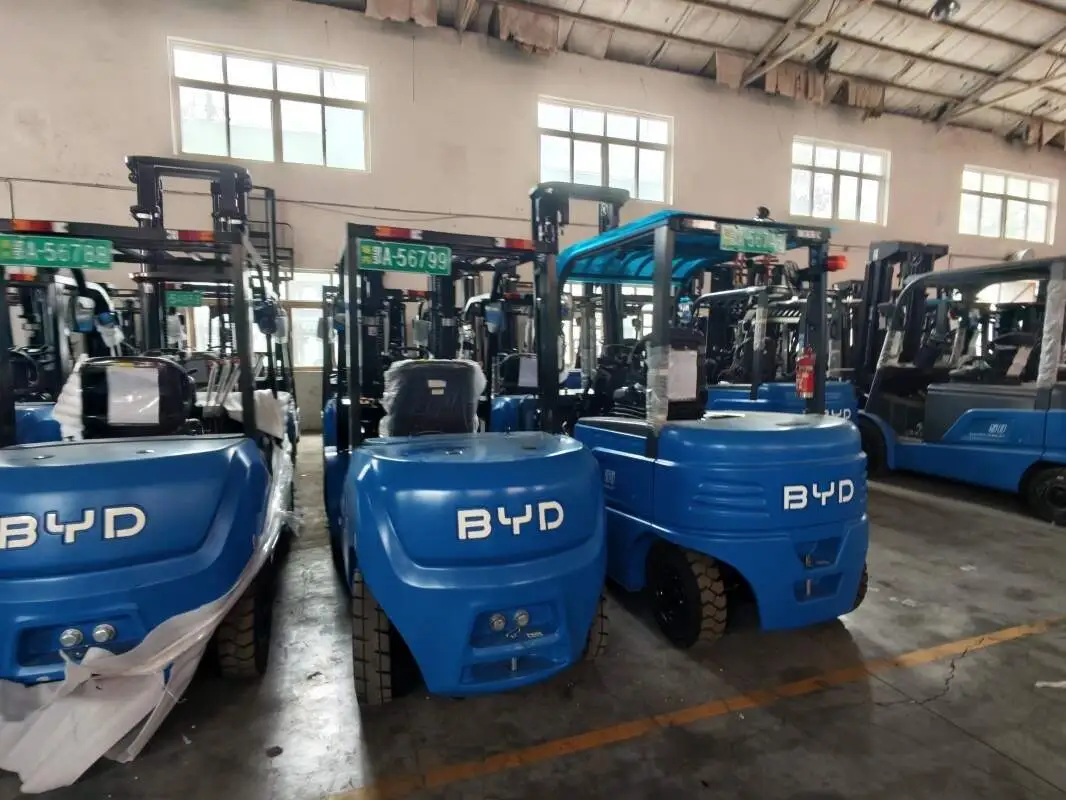
In the fast-paced world of material handling, efficient forklift maintenance and repair are critical to minimizing downtime and keeping operations running smoothly. One common challenge technicians and fleet managers face is accurately identifying and confirming specific forklift components, especially when dealing with older models or less familiar equipment. This is where forklift parts photos emerge as a practical, accessible solution for quick component confirmation.
Unlike written manuals that may rely on technical jargon or vague diagrams, parts photos provide a visual, real-world representation of each component. This visual clarity eliminates ambiguity, allowing users to compare the part in question directly against a high-quality image. For example, when replacing a hydraulic valve or a brake caliper, having a detailed photo of the exact part—showing its shape, mounting points, and connecting features—can prevent the mistake of ordering an incompatible replacement. This not only saves time but also reduces the costs associated with returning incorrect parts and delaying repairs.
To maximize the effectiveness of forklift parts photos as a reference tool, there are key best practices to follow. First, ensure photos are taken in well-lit environments with high resolution, so even small details like part numbers or unique indentations are visible. Multiple angles are also essential: capturing front, side, and close-up views of a component provides a comprehensive visual reference. Additionally, labeling each photo with relevant details such as component name, part number (if available), and the forklift model it belongs to makes organization quick and intuitive.
Fleet managers can create a centralized digital library of these photos, organized by component type or forklift model, to make access seamless. This library can be stored on a cloud platform, allowing technicians to reference it on-site using mobile devices, even in busy warehouse settings. For new technicians, this visual resource serves as a valuable training tool, helping them learn to identify components without relying solely on experienced staff.
Another benefit of using parts photos is their ability to streamline communication between maintenance teams and parts suppliers. Instead of describing a component in words—which can lead to misinterpretation—technicians can share the photo directly with suppliers, ensuring the exact part is sourced quickly. This reduces the risk of delays in obtaining critical replacement parts, keeping forklifts back in operation faster.
In conclusion, forklift parts photos are an invaluable quick reference for component confirmation. Their visual clarity, ease of use, and ability to streamline maintenance and procurement processes make them a must-have tool for any material handling operation. By implementing best practices for capturing and organizing these photos, businesses can reduce downtime, cut unnecessary costs, and improve overall operational efficiency.