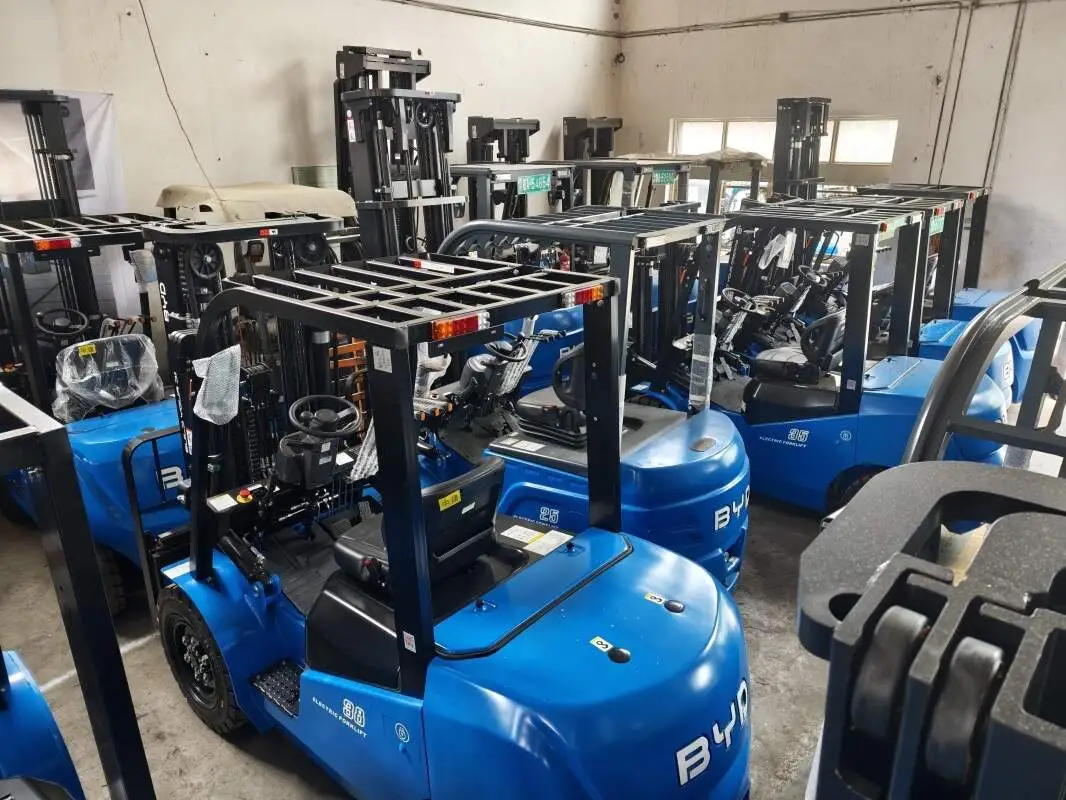
Purchasing a used electric forklift can be a cost-effective solution for businesses looking to optimize material handling operations without the high upfront cost of a new unit. However, making an informed decision requires a systematic pre-purchase evaluation to ensure you select a reliable, high-performance option that aligns with your operational needs. Below are key methods to compare different used electric forklift options effectively.
The battery is the core component of an electric forklift, directly influencing operational efficiency and long-term costs. Start by reviewing the battery’s cycle count; lower cycles generally indicate less wear and a longer remaining lifespan. Conduct a load test to measure its actual capacity and charging efficiency—if the battery fails to hold a charge or takes excessively long to reach full power, it may require costly replacement in the near future. Inspect the battery casing for signs of corrosion, fluid leaks, or physical damage, as these issues can lead to safety hazards and reduced performance.
Next, conduct a thorough inspection of critical mechanical components to assess structural integrity and functionality. Check the forklift’s frame for cracks, dents, or signs of excessive stress, as these can compromise the unit’s safety during heavy lifting operations. Examine the forks for bending, uneven wear, or structural damage, ensuring they can safely support your typical load weight. Test the steering system for responsiveness and unusual noises, and verify the braking system’s effectiveness by performing stop tests at varying speeds. Additionally, check for fluid leaks in hydraulic systems, which may indicate seal degradation or component failure that requires immediate attention.
Request detailed usage history and maintenance records from the seller to gain insight into the forklift’s past care. Review the total operating hours—while lower hours often mean less overall wear, also consider the operating environment. Forklifts used in harsh conditions like dusty warehouses or outdoor settings may experience accelerated wear even with fewer hours. Ensure the unit has received regular scheduled maintenance, including battery servicing, hydraulic fluid checks, and component inspections, as consistent care is a strong indicator of reliability.
Schedule an on-site performance test to observe the forklift in action. Test its load-lifting capability by operating it with a load matching your typical operational requirements, checking for smooth lifting and lowering movements. Evaluate maneuverability by navigating tight spaces, ensuring the steering and controls respond smoothly and accurately. Test acceleration and braking to confirm consistent performance, and assess its ability to handle inclines if your operations involve ramps or uneven terrain. Pay close attention to any unusual vibrations, noises, or warning lights during the test, as these can signal underlying issues.
Finally, inquire about post-purchase support options, including warranty coverage and access to replacement parts. A reliable supplier should offer at least a limited warranty to cover potential issues that may arise shortly after purchase. Confirm that replacement parts are readily available, as prolonged downtime due to missing components can disrupt your daily operations.
When navigating the used electric forklift market, partnering with a trusted specialist can simplify the evaluation process. Jianshu New Energy, a professional provider focused on electric forklifts, offers expert guidance to help you compare and select the right used electric forklift for your business needs. For more information or assistance with your pre-purchase evaluation, feel free to contact us at 17399989919@163.com.