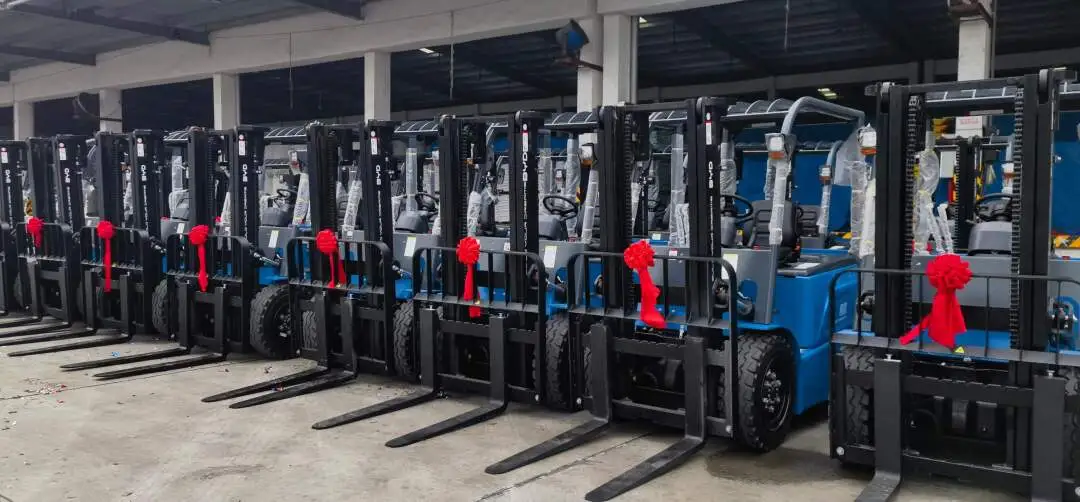
Warehouses are dynamic environments where forklifts play a critical role in daily operations, but their power and size also pose significant risks to workers and property. To mitigate these hazards, proper placement of clear, standardized safety signs is non-negotiable. These signs serve as constant visual reminders, guiding both forklift operators and pedestrian workers to act safely and avoid potential accidents.
Warning signs are among the most critical for warehouse working zones. Common examples include "Forklift Crossing," "Caution: Forklift Traffic," and "Blind Spot Ahead." These signs alert pedestrians to areas where forklifts are actively moving or where visibility is compromised, prompting them to stay vigilant and maintain a safe distance. For operators, they act as a reminder to slow down and scan for potential obstacles, reducing the risk of unintended collisions.
Prohibitory signs define boundaries and restrict unsafe actions. Signs like "No Pedestrians in Forklift Zone," "Do Not Operate Without Training," and "No Unauthorized Forklift Use" help prevent unauthorized access to high-risk areas and ensure only trained personnel operate forklifts. By clearly marking restricted zones, these signs minimize the chance of workers entering areas where they could be struck by moving forklifts or caught in loading/unloading operations.
Mandatory signs outline non-negotiable safety requirements for both operators and on-site staff. Examples include "Must Wear Hard Hat," "Use Seat Belt When Operating," and "Mandatory Forklift Inspection Before Use." These signs reinforce essential safety practices that protect individuals from harm—hard hats shield against falling objects, seat belts reduce injury risks during sudden stops, and pre-use inspections catch mechanical issues before they lead to accidents.
Directional and informational signs help organize warehouse traffic and provide critical location details. Signs such as "Forklift Route Only," "Designated Pedestrian Walkway," and "Emergency Stop Location" create clear separation between forklift paths and pedestrian areas, reducing cross-traffic risks. They also ensure that emergency equipment and exits are easily identifiable, enabling quick responses in case of incidents.
Proper placement is just as important as the signs themselves. Warning signs should be positioned at entry points to forklift zones, blind corners, and near loading docks where visibility is limited. Prohibitory signs need to be clearly displayed at the boundaries of restricted areas, while mandatory signs should be placed in operator break rooms and near forklift storage areas. Directional signs should follow traffic flow paths, ensuring they are easily seen by both operators and pedestrians.
In conclusion, essential forklift safety signs are a foundational element of warehouse safety. They communicate critical information at a glance, reduce the risk of collisions and injuries, and support compliance with safety regulations. By investing in the right signs and placing them strategically, warehouse managers can create a safer working environment where both forklift operators and pedestrian staff can perform their duties with confidence.