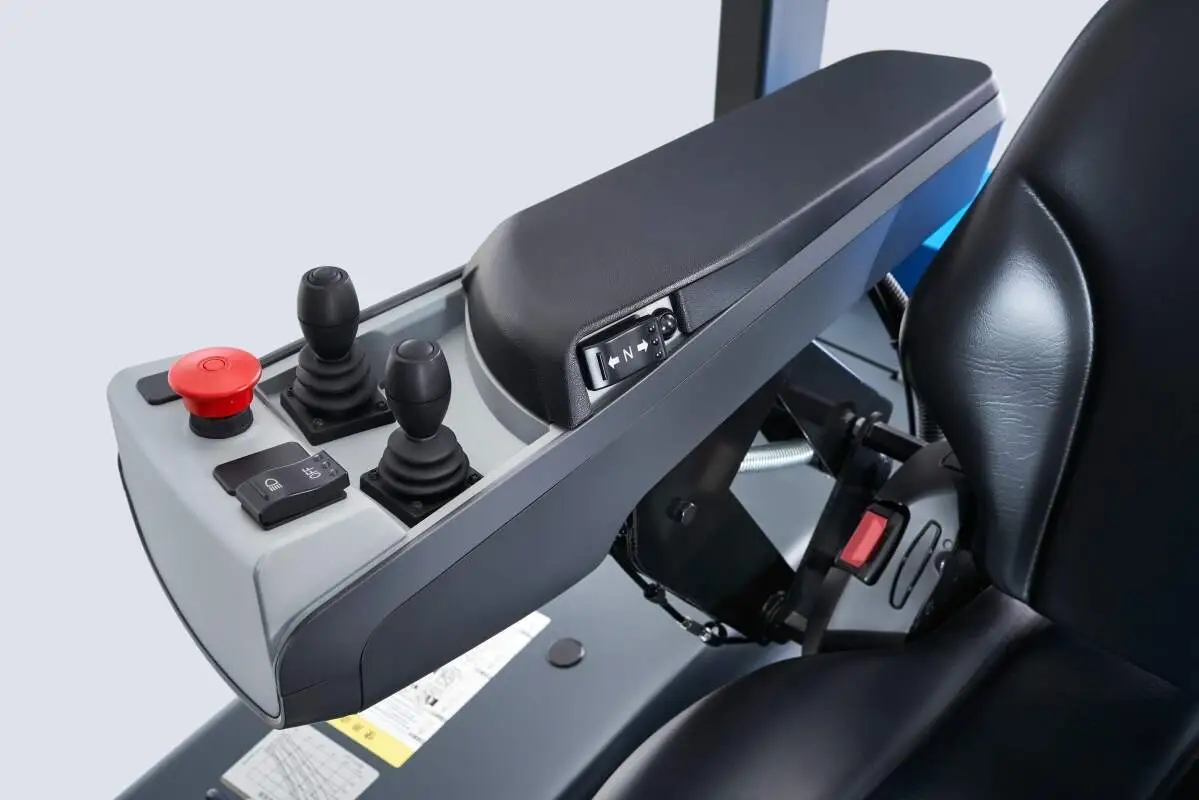
Mini manual hydraulic forklifts are compact, manually operated lifting tools designed to handle small to medium loads in spaces where larger powered forklifts cannot maneuver. Combining the simplicity of manual operation with the lifting power of hydraulic systems, these tools have become essential for efficient material handling across various sectors.
Their compact size is one of the most notable features. With a narrow footprint and lightweight build, they can navigate tight aisles, narrow doorways, and crowded workspaces with ease, making them ideal for environments with limited space. Unlike powered forklifts, they do not rely on electricity or fuel, eliminating the need for charging stations or fuel storage and reducing operational costs. This also means they produce zero emissions, making them suitable for indoor use where air quality is a concern.
The manual hydraulic system provides reliable lifting capacity. Most models can lift loads ranging from 500 to 1500 kilograms, depending on the design, allowing users to move pallets, crates, and heavy items without straining physically. The hydraulic mechanism ensures smooth, controlled lifting and lowering, reducing the risk of damage to goods or workplace accidents. Operating these forklifts requires minimal training; users only need to master the hand lever for hydraulic activation and the steering mechanism, making them accessible for workers with varying levels of experience.
Low maintenance requirements add to their practicality. These forklifts have fewer moving parts compared to powered alternatives, which means there are fewer components that can break down. Routine maintenance typically involves checking hydraulic fluid levels, inspecting tires and forks for wear, and lubricating moving parts—tasks that can be performed in-house without specialized technicians, reducing downtime and long-term expenses.
In warehouse settings, mini manual hydraulic forklifts excel at moving small batches of goods between storage racks and loading docks, especially in narrow aisles where larger equipment cannot reach. They support efficient order picking, allowing workers to access lower and middle shelves safely without ladders.
Retail stores use these forklifts to restock heavy inventory boxes in backroom storage areas. Their compact build avoids damaging store fixtures or flooring, making them safe for use in customer-facing spaces during off-peak hours.
Small manufacturing workshops rely on them to move raw materials, work-in-progress items, and finished products between workstations. Their portability supports flexible production workflows, and they are ideal for loading and unloading small delivery trucks without costly dock equipment.
Even non-commercial settings benefit: home garage owners or small workshop operators use them to move heavy machinery, storage bins, or construction materials, reducing physical strain and improving task efficiency.
Overall, these forklifts offer a balance of simplicity, portability, and lifting power, making them a versatile solution for a wide range of material handling needs in industrial, retail, and personal settings.