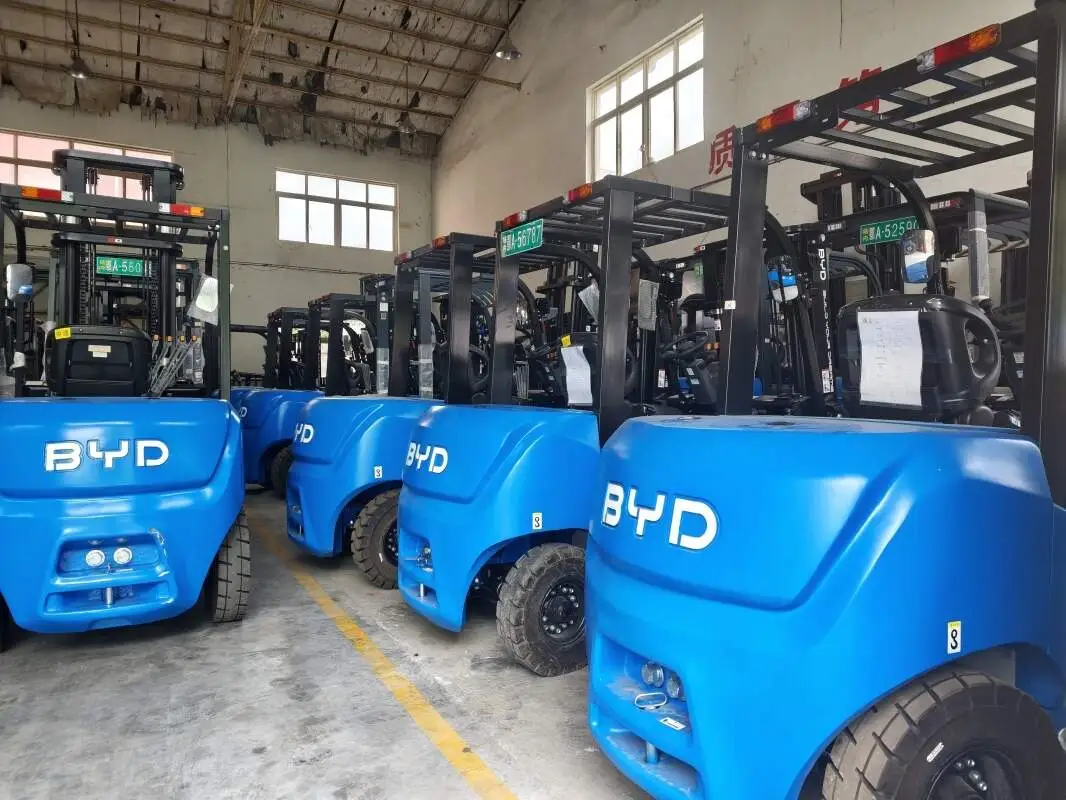
Daily operations of electric forklifts demand strict adherence to compliance standards to ensure workplace safety, operational efficiency, and adherence to regulatory guidelines. Understanding and implementing these essential compliance points is crucial for both operators and facility managers.
Pre-operation Compliance Checks
Before starting any shift, operators must conduct a thorough pre-operation inspection as a foundational compliance step. This includes verifying the battery charge level to avoid unexpected downtime during tasks. Inspect the forklift’s braking system to ensure it functions properly, as faulty brakes pose significant safety risks. Check the tires for wear and damage, ensuring they are inflated to the recommended pressure for stable operation. Additionally, inspect the mast, forks, and hydraulic systems for leaks or structural damage. Any abnormalities must be reported immediately, and the forklift should be taken out of service until repairs are completed.
Operational Safety Protocols
During operation, compliance with safety protocols is non-negotiable. Operators must maintain a safe speed at all times, adjusting based on the environment—slowing down in narrow aisles, crowded areas, or on wet surfaces. It is critical to follow designated traffic routes within the facility to avoid collisions with other vehicles or pedestrians. Operators should never exceed the forklift’s rated load capacity, as overloading can lead to tip-overs and equipment damage. When lifting loads, ensure they are securely balanced and positioned correctly on the forks. Operators must also wear appropriate personal protective equipment (PPE), including safety shoes, hard hats, and high-visibility vests, as required by workplace safety regulations.
Post-operation Compliance Procedures
After completing daily tasks, operators must follow post-operation compliance steps to prepare the forklift for the next shift. Park the forklift in a designated area, engage the parking brake, and lower the forks to the ground. Turn off the power and disconnect the battery charger if applicable. Clean the forklift to remove any debris or material buildup, which can affect performance over time. Document any issues encountered during operation in the forklift’s maintenance log, ensuring accurate records for future inspections and repairs.
Regular Maintenance Compliance
Adhering to a scheduled maintenance program is a key compliance requirement for electric forklifts. Routine maintenance tasks, such as battery cleaning, hydraulic fluid checks, and brake adjustments, should be performed at intervals specified by equipment guidelines. These tasks help prevent mechanical failures and extend the lifespan of the forklift. Facilities must ensure that maintenance is carried out by qualified personnel to guarantee work is done correctly and in line with regulatory standards. Keeping detailed maintenance records is essential, as regulatory bodies may request documentation to verify compliance.
Regulatory Adherence and Training
Compliance also involves staying updated with local and national regulations governing forklift operations. Facilities must ensure all operators receive proper training and certification to operate electric forklifts legally. Training should cover safety procedures, equipment operation, and compliance requirements. Regular refresher training sessions help reinforce best practices and ensure operators remain knowledgeable about any changes in regulations.
For professional guidance on navigating electric forklift compliance requirements and accessing reliable electric forklift solutions, contact Jianshu New Energy at 17399989919@163.com. Our team of experts can assist with compliance audits, operator training support, and tailored forklift solutions to meet your facility’s needs.