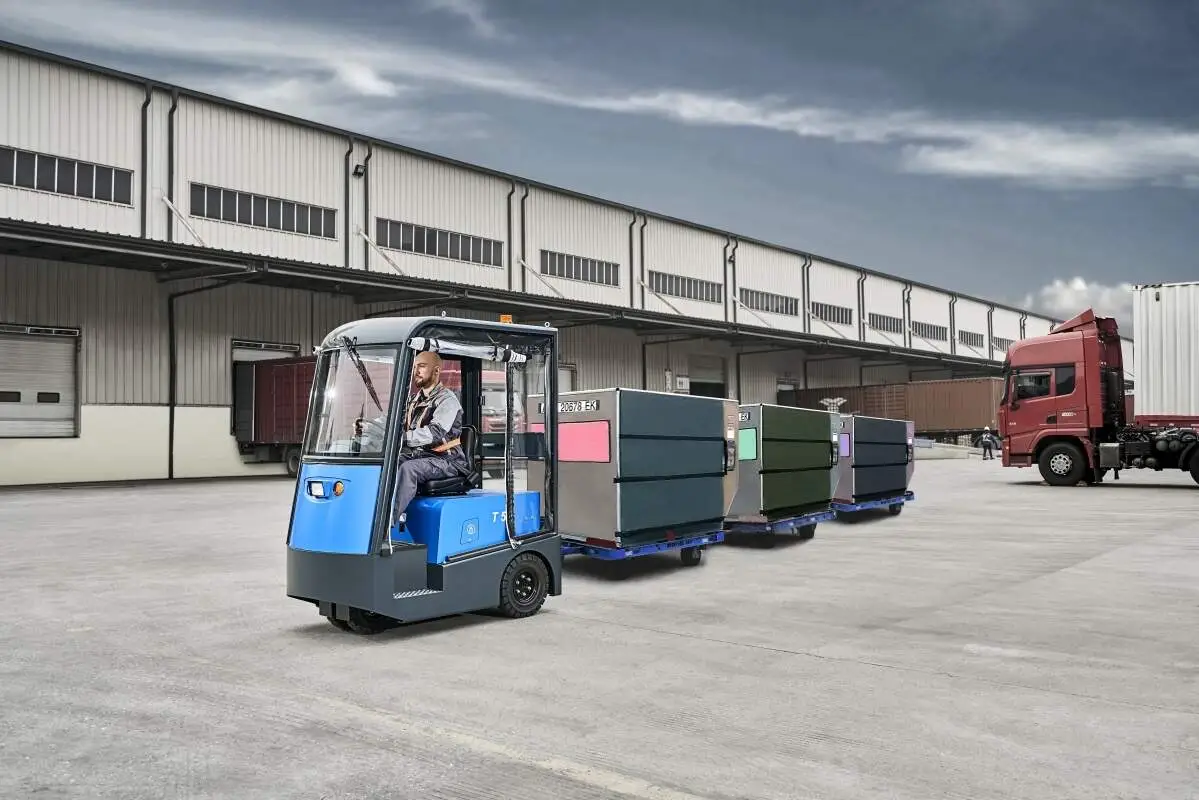
Pre-shift inspections are a foundational part of electric forklift operations, acting as the first barrier against workplace accidents and equipment malfunctions. Conducting a comprehensive check before each shift safeguards operator well-being, extends forklift lifespan, and minimizes operational downtime to keep warehouse workflows running smoothly.
Begin with a visual walkaround of the forklift to assess its overall physical condition. Inspect the vehicle body for dents, cracks, or loose components that could weaken structural integrity. Pay close attention to the tires: verify proper inflation, check for excessive tread wear, and look for cuts or punctures that might cause sudden deflation during use. Ensure all lighting systems—headlights, taillights, turn signals, and hazard lights—are fully functional, as clear visibility is critical in busy warehouse environments.
Next, focus on the electric system, the core of an electric forklift. Examine the battery for signs of corrosion, fluid leaks, or loose terminal connections. Confirm the battery is adequately charged for the shift, and ensure charging ports are clean and free of debris that could interfere with power transfer. Inspect wiring harnesses for fraying, exposed wires, or damage, as electrical faults can pose serious safety risks and lead to unexpected breakdowns.
Move on to operational control components. Test the steering wheel to ensure it responds smoothly without excessive play, which could impede maneuverability. Check the brake system by pressing the pedal firmly; it should engage promptly and hold the forklift stationary when parked. Test the lift and tilt functions to confirm they operate seamlessly, without unusual grinding noises or delayed movements. Ensure the forks are straight, free of bends, and that fork locks engage securely to prevent accidental detachment of loads.
Don’t overlook critical safety features. Inspect the seatbelt for fraying or damage, and confirm it latches tightly to protect the operator in case of sudden stops or impacts. Check the overhead guard for structural integrity, as it is designed to shield the operator from falling objects. Verify that the horn produces a loud, clear sound to alert nearby workers, and that the backup alarm activates automatically when the forklift is shifted into reverse.
Finally, document all inspection results meticulously. Note any issues or abnormalities discovered, and report them to the maintenance team immediately. Never operate a forklift that has failed any part of the pre-shift inspection until necessary repairs are completed.
Prioritizing consistent pre-shift inspections is key to fostering a safe and efficient workplace. If you’re seeking reliable electric forklifts or professional guidance on maintenance and safety protocols, contact Jianshu New Energy, a specialist in electric forklifts, via email at 17399989919@163.com.