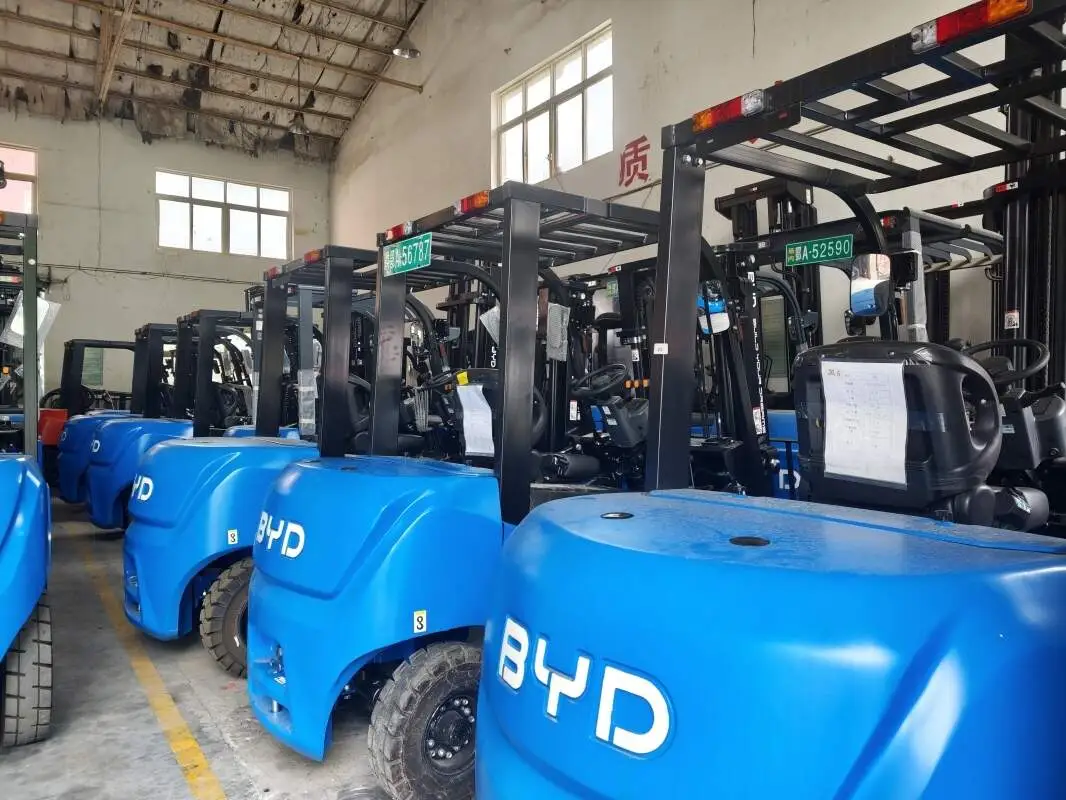
Forklifts are critical tools in warehouse and industrial settings, and understanding specialized terminology related to their Load Protection System (LPS) is essential for safe, efficient operations. LPS encompasses a suite of components designed to prevent overloads, maintain stability, and mitigate risks during material handling. Below is a breakdown of key LPS forklift terminology to help operators and supervisors navigate these systems effectively.
Load Capacity Sensor
This component is a core part of any LPS, responsible for measuring the weight of the load being lifted. It continuously sends data to the forklift’s control system, ensuring the load does not exceed the vehicle’s rated capacity. By monitoring real-time weight, the sensor helps prevent structural damage to the forklift and reduces the risk of tip-overs caused by overloading.
Overload Alarm
When the load capacity sensor detects a weight beyond the forklift’s safe limit, the overload alarm is activated. This alarm can be auditory (a loud beep or siren) or visual (flashing lights), or both, to alert the operator immediately. Promptly responding to this alarm by reducing the load size prevents potential accidents and ensures compliance with safety standards.
Stability Control Module
This advanced LPS component analyzes multiple data points, including load weight, lift height, and forklift tilt angle, to assess the vehicle’s stability. If it detects a risk of tipping, the module may automatically adjust the forklift’s operations—such as limiting lift height or reducing travel speed—to restore stability. It acts as a proactive safeguard, especially when handling heavy loads on uneven terrain.
Load Moment Indicator (LMI)
Unlike the load capacity sensor that focuses solely on weight, the LMI calculates the load moment, which is the product of the load’s weight and its distance from the forklift’s pivot point. This measurement is critical because a lighter load positioned far from the mast can create the same instability as a heavier load close to it. The LMI displays real-time load moment data, allowing operators to adjust their handling to keep the forklift within safe operating parameters.
Emergency Shutdown Trigger
In extreme situations where the LPS detects an imminent safety hazard—such as a severe overload or critical stability loss—the emergency shutdown trigger activates. This feature immediately stops the forklift’s lifting and travel functions, preventing further movement that could lead to an accident. Operators must undergo training to understand when this trigger may activate and how to reset the system safely after resolving the issue.
Understanding these LPS forklift terms is not just a matter of technical knowledge; it is a cornerstone of workplace safety. Proper interpretation and response to LPS components and alerts can significantly reduce the risk of accidents, protect personnel and equipment, and improve overall operational efficiency. Regular training on LPS terminology ensures that all forklift operators are equipped to use these systems effectively, creating a safer work environment for everyone.