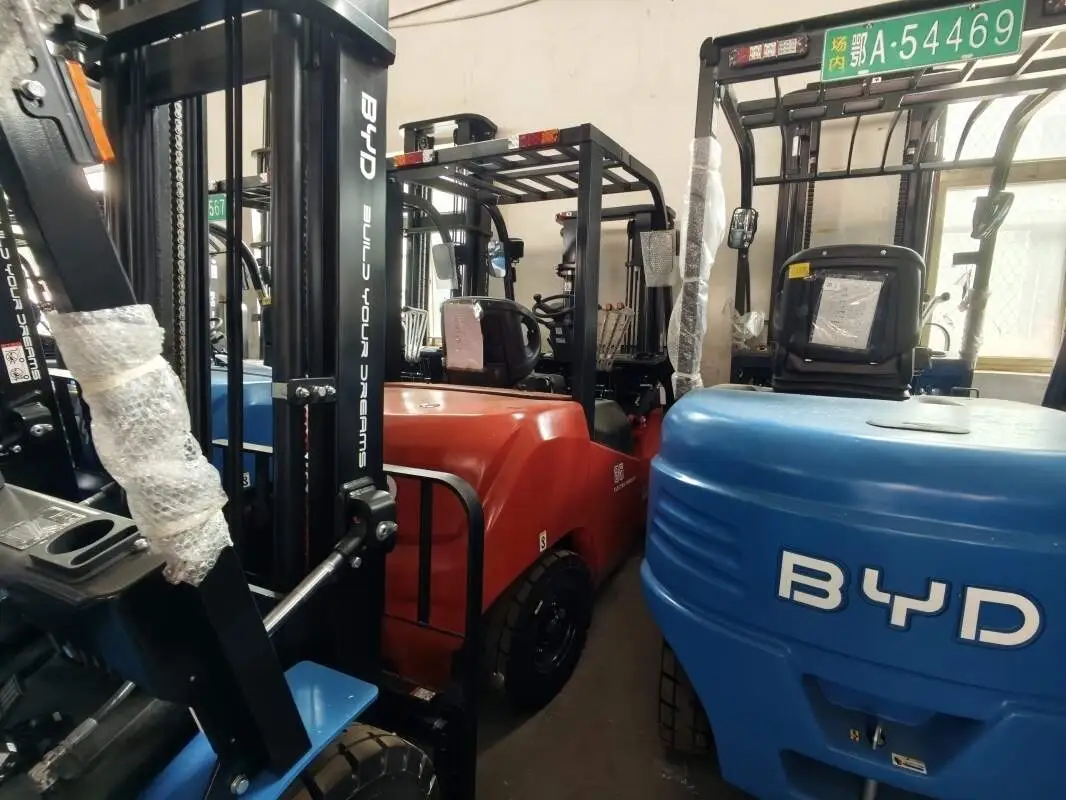
In modern warehousing and logistics operations, optimizing space utilization and material handling efficiency is a top priority. Four way forklifts have emerged as a versatile solution for navigating tight spaces and handling diverse load types, making them a popular choice for businesses across industries. When looking to purchase a four way forklift, understanding the available models can help you select the right equipment to meet your specific operational needs.
Compact four way forklifts are ideal for small to medium-sized warehouses, retail distribution centers, and facilities with limited floor space. These models typically offer a load capacity ranging from 1 to 3 tons, featuring a streamlined design that allows for easy maneuverability in narrow corridors and tight turns. Their compact size does not compromise functionality; they come equipped with intuitive control systems and energy-efficient power options, such as lithium-ion batteries, which reduce operational costs and minimize environmental impact. Suitable for handling lightweight to medium-weight goods like electronic components, packaged foods, and retail merchandise, these forklifts are easy to operate and require minimal maintenance, making them a cost-effective choice for businesses with moderate material handling demands.
For heavy-duty industrial applications, heavy-duty four way forklifts are designed to handle rigorous workloads. With load capacities ranging from 5 to 10 tons, these models feature robust frames, reinforced forks, and durable tires that can withstand rough terrain and frequent heavy lifting. Commonly used in manufacturing plants, port storage yards, and construction material facilities, they excel at moving heavy machinery, bulk cargo, and oversized materials. Many heavy-duty four way forklifts are equipped with advanced stability systems to ensure safe operation when carrying maximum loads, even on uneven surfaces. While they require more maintenance compared to compact models, their durability and high load-bearing capacity make them essential for businesses with intensive material handling requirements.
Narrow aisle four way forklifts are specifically engineered for high-density storage environments where space is at a premium. These models can navigate aisles as narrow as 1.5 to 2 meters, allowing businesses to maximize vertical storage space with lift heights reaching up to 10 meters or more. Equipped with precise four-way steering systems, they can move seamlessly forward, backward, and sideways, eliminating the need for large turning radii. This makes them perfect for high-density storage facilities and e-commerce warehouses, where quick access to high-level shelves is critical. Narrow aisle models often come with ergonomic operator cabins to reduce fatigue during long shifts, and their electric power systems ensure quiet operation, making them suitable for indoor use without disrupting other operations.
When selecting a four way forklift model, several key factors should be considered. First, assess your operational environment: measure aisle widths, floor conditions, and storage height to determine which model fits best. Second, evaluate your load requirements, including average and maximum load weight, to ensure the forklift can handle your typical workload. Additionally, consider power source options—electric models are ideal for indoor use due to zero emissions, while diesel-powered heavy-duty models may be better for outdoor rough terrain. Finally, factor in training needs for operators, as four way forklifts require specialized skills to operate safely and efficiently, and ongoing maintenance costs to keep the equipment in optimal condition.
Investing in the right four way forklift model can significantly enhance your material handling efficiency, reduce operational costs, and improve workplace safety. By understanding the different models available and aligning them with your specific business needs, you can make an informed purchase that supports long-term operational success.