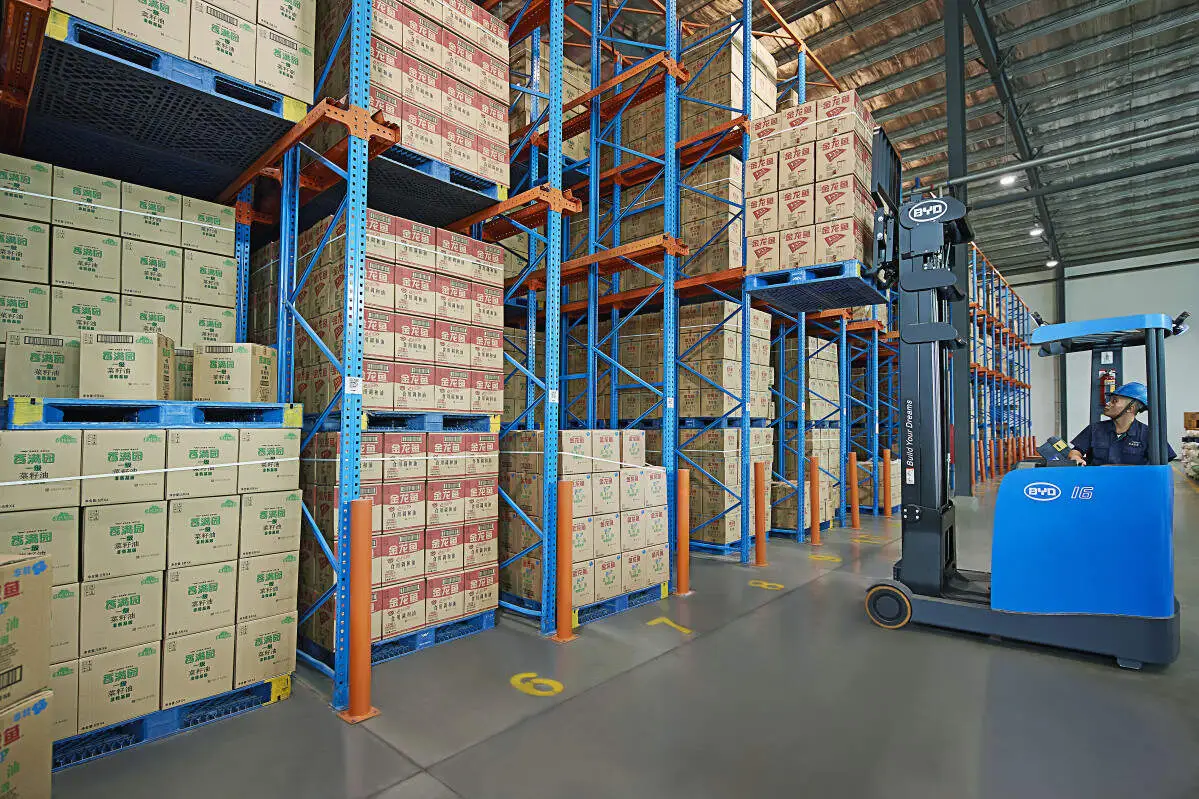
The global demand for cost-effective material handling solutions has positioned second-hand 3 ton forklifts as a go-to option for businesses across industries, from small warehouses to large manufacturing facilities. However, their pricing varies considerably across regions and individual units, shaped by a combination of tangible and contextual factors that both buyers and sellers need to understand for informed decision-making.
One of the most impactful factors is the forklift’s overall condition and maintenance history. Units with lower operating hours generally command higher prices, as they indicate reduced wear on core components like engines, hydraulic systems, and transmissions. Detailed maintenance records—including regular oil changes, component replacements, and safety inspections—further boost value. Forklifts that have received consistent professional servicing are less likely to require immediate repairs, minimizing long-term operational costs for buyers and justifying a higher asking price.
The operating environment where the forklift was previously deployed also plays a critical role in pricing. Forklifts used exclusively in indoor warehouses with smooth floors and controlled temperatures experience far less wear compared to those utilized in outdoor construction sites, ports, or facilities with heavy dust, moisture, or corrosive materials. Prolonged exposure to harsh conditions accelerates component degradation, leading to lower resale values. Buyers often prioritize units with an indoor usage track record, willing to pay a premium for reduced mechanical risk.
Global and regional market supply and demand dynamics heavily influence pricing trends. In regions with booming logistics and manufacturing sectors, demand for second-hand 3 ton forklifts may outpace supply, driving prices upward. Conversely, areas with declining industrial activity may see an oversupply of used units, resulting in more competitive pricing. Fluctuations in new 3 ton forklift prices also impact the secondary market: when new equipment costs rise, demand for used alternatives increases, pushing up their resale value.
Additional configurations and specialized features further affect pricing. Forklifts equipped with attachments like side shifters, fork positioners, or clamp attachments offer greater versatility, making them more valuable to businesses with specific material handling needs. For electric 3 ton forklifts, the condition and remaining lifespan of the battery are particularly crucial. A well-maintained battery with significant capacity left adds substantial value, while a battery nearing the end of its usable life may require a price adjustment to account for replacement expenses.
In summary, the pricing of second-hand 3 ton forklifts globally is a complex interplay of vehicle condition, usage history, market trends, and functional features. By evaluating these factors thoroughly, buyers can identify high-value units that align with their operational requirements, while sellers can set fair, competitive prices to attract potential buyers in the global secondary equipment market.