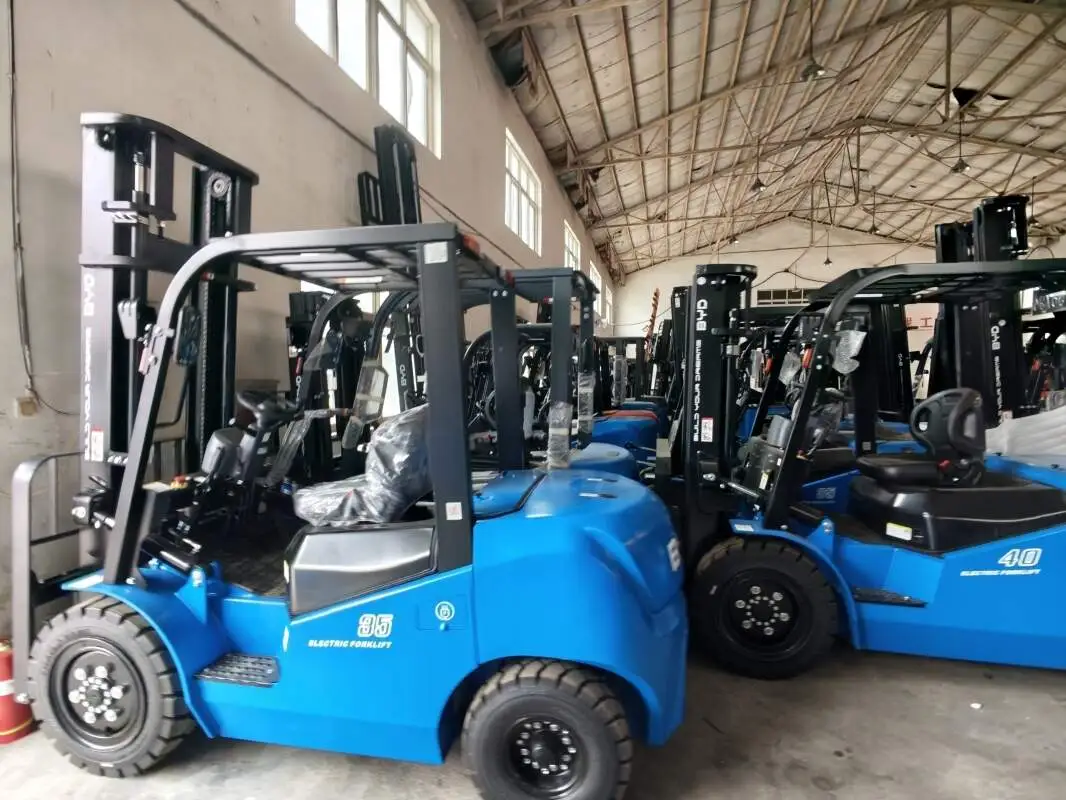
forklift backrests play a pivotal role in securing loads during material handling operations, and their height configuration is governed by a set of stringent standards designed to mitigate risks and ensure operational safety. Understanding these standards is essential for forklift operators, facility managers, and safety officers to maintain compliance and prevent workplace incidents.
International bodies and regional regulatory agencies have outlined specific requirements for forklift backrest height. For instance, the U.S. Occupational Safety and Health Administration (OSHA) mandates that backrests must be tall enough to prevent the load from forward tilting or slipping off the forks under normal operating conditions. This generally means the backrest should extend at least to the center of gravity of the highest load being handled, with additional height recommended for unstable or irregularly shaped cargo.
The International Organization for Standardization (ISO) provides broader guidelines through standards focused on forklift safety requirements and verification procedures. According to ISO specifications, backrest height must be tailored to the forklift’s rated capacity and the typical load dimensions within the operation. For example, forklifts used to transport stacked pallet loads require backrests that align with the height of the top pallet to provide adequate support.
Beyond general guidelines, specific scenarios demand adjusted backrest configurations. Operations involving lightweight, high-profile loads may require taller backrests to counteract the increased risk of load tipping during turns or sudden stops. Conversely, in narrow aisle environments where vertical clearance is limited, backrests must be configured to balance safety needs with spatial constraints, ensuring they do not obstruct overhead structures while still providing sufficient load support.
Compliance with these standards is not just a regulatory obligation; it directly impacts workplace safety. Improperly configured backrests can lead to load slippage, which may cause injuries to operators or nearby personnel, damage to goods, and costly equipment downtime. Regular inspections are crucial to ensure backrests remain in compliance, including checking for wear and tear that could reduce their effectiveness and verifying height adjustments match current load handling requirements.
Facility managers should also implement training programs to educate operators on the importance of correct backrest configuration. Operators should be trained to assess load characteristics, adjust backrest height accordingly, and recognize signs of non-compliance. By integrating these practices into daily operations, organizations can create a safer work environment while meeting all relevant regulatory standards.