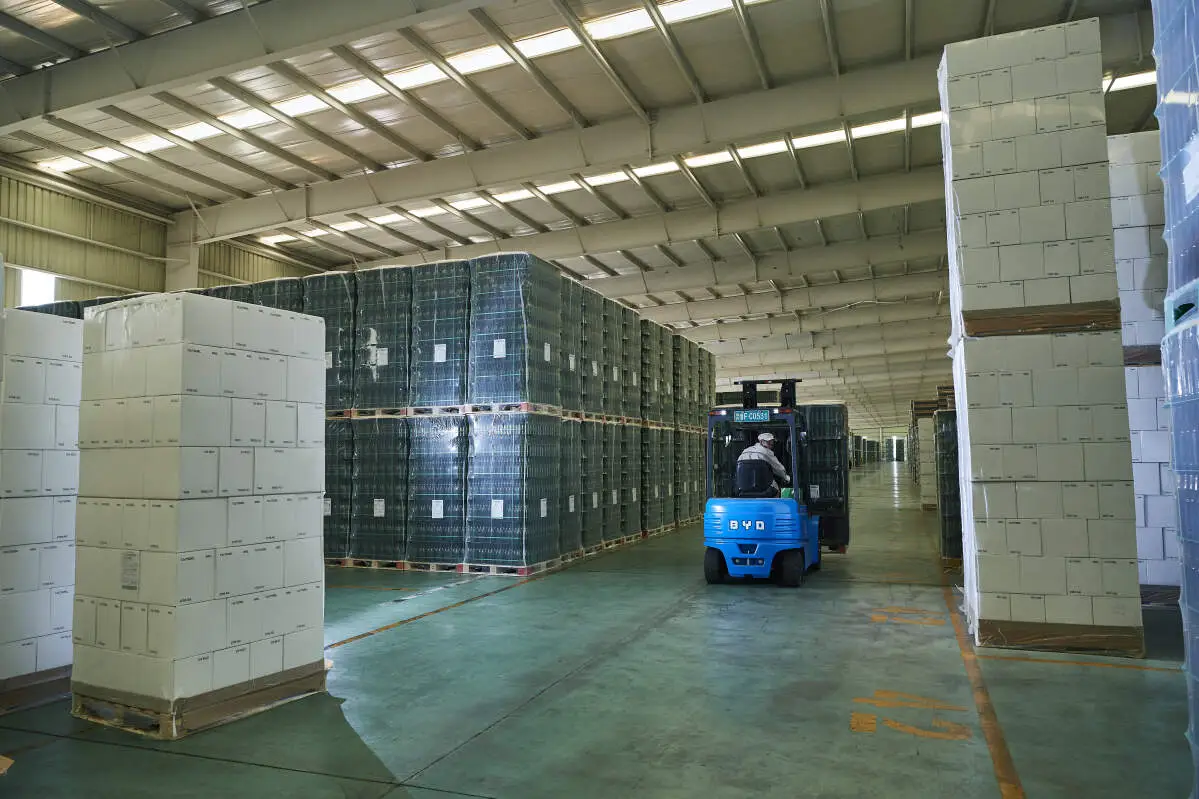
When undertaking project-based work, from construction site material handling to large-scale warehouse inventory management, a 5 tonne forklift can be a critical asset to streamline operations and boost productivity. However, choosing the right rental option requires careful consideration of several key factors to ensure it aligns with project needs and avoids unnecessary delays or costs.
First, assess project-specific load requirements. Different projects demand varying load capacities beyond the basic 5 tonne rating. For example, construction projects may involve moving heavy steel beams or precast concrete slabs, which not only meet the 5 tonne limit but also require stability during lifting at height. Warehouse projects, on the other hand, might involve frequent shifts between pallets of varying weights, so ensuring the forklift can handle consistent, repeated lifts without strain is essential. Additionally, consider the maximum lifting height needed—if your project involves stacking materials in high-rise storage racks, the forklift’s mast height must accommodate this requirement.
Second, match the forklift type to the project environment. A 5 tonne forklift comes in different variants, each designed for specific settings. Indoor projects, such as warehouse inventory restocking, benefit from electric forklifts, which produce zero emissions and operate quietly, making them suitable for enclosed spaces with good ventilation. Outdoor construction sites or rough terrain environments require diesel or LPG-powered forklifts, which offer greater torque and durability to navigate uneven ground, gravel, or mud. Evaluating the terrain and workspace layout will help you select a forklift that can operate safely and efficiently throughout the project duration.
Third, evaluate site access and conditions. Before finalising a rental, inspect the project site to identify potential limitations. Narrow warehouse aisles or tight construction site pathways may require a forklift with a smaller turning radius to manoeuvre easily. If the site has low overhead structures, like ceiling beams or utility lines, ensure the forklift’s collapsed mast height fits within these constraints. Additionally, consider loading and unloading points—if materials are delivered via large trucks, the forklift must have sufficient reach to access cargo without requiring additional equipment.
Fourth, review rental terms and flexibility. Project timelines are often subject to changes, so choosing a rental provider that offers flexible terms is crucial. Look for options that allow for short-term or long-term rentals, with the ability to extend the rental period if the project runs over schedule. Also, clarify responsibility for maintenance and repairs—some providers include routine servicing in the rental fee, while others require the renter to cover unexpected breakdowns. Ensure the rental agreement includes insurance coverage to protect against damage to the equipment or injury on-site, reducing potential liability risks.
Finally, prioritise safety and compliance. A well-maintained 5 tonne forklift is essential to prevent accidents. Verify that the rental equipment has up-to-date maintenance records and meets all relevant safety standards. Additionally, ensure that all operators have valid training and certification to operate a 5 tonne forklift safely. Investing in operator training, if needed, can reduce the risk of workplace incidents and keep the project on track.
By carefully considering these factors, you can select a 5 tonne forklift rental that not only meets your project’s immediate needs but also supports long-term operational efficiency and safety. Taking the time to evaluate each aspect will help you avoid costly mistakes and ensure that the forklift becomes a valuable asset to your project team.