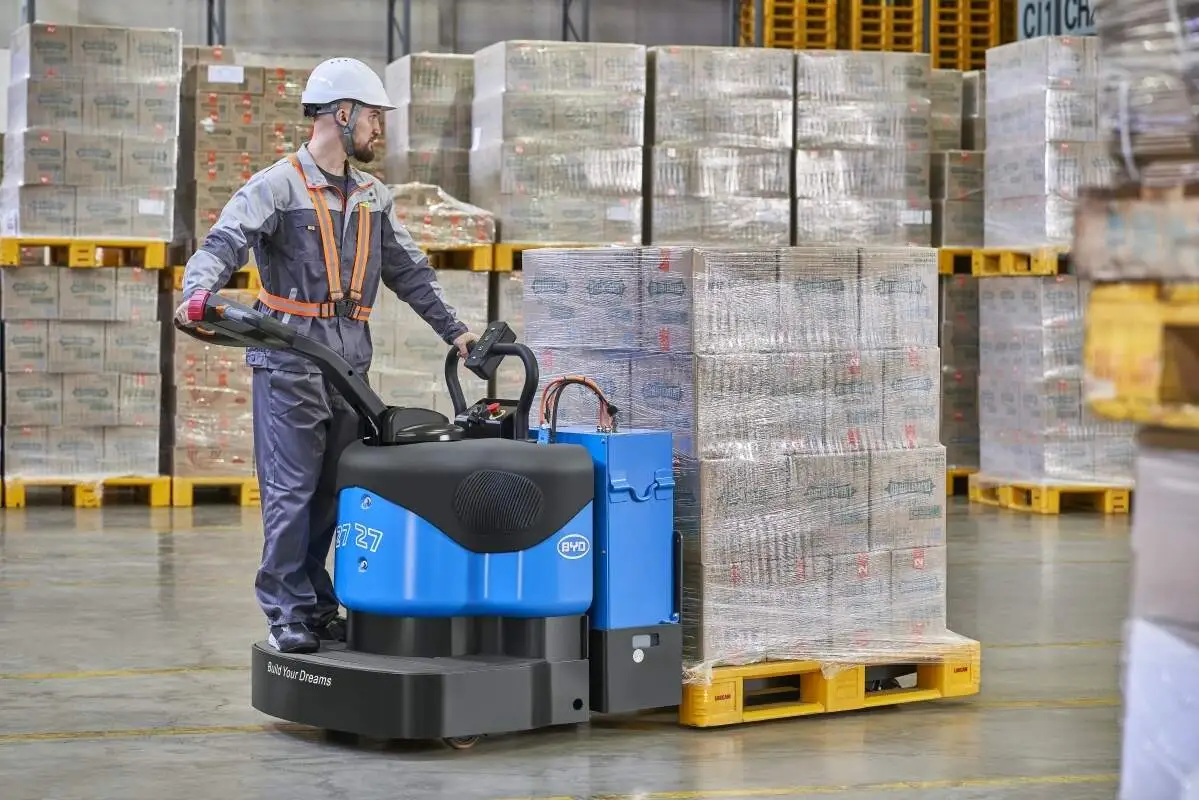
An electric forklift is a versatile material handling tool designed to lift, move, and stack heavy loads efficiently in warehouses, manufacturing facilities, and distribution centers. To operate effectively and maintain optimal performance, it relies on a series of interconnected main components that work in harmony. Understanding these parts is essential for operators, maintenance technicians, and facility managers to ensure safe operation and extend the equipment’s lifespan.
Mast Assembly
The mast is the vertical structure responsible for lifting and lowering loads. Composed of inner and outer telescopic beams, it allows the forklift to reach varying heights, making it suitable for stacking pallets on high shelves. Hydraulic cylinders power the mast’s upward and downward movements, while chains and pulleys distribute the force evenly to support heavy loads. The mast also includes guide rollers to ensure smooth telescoping and prevent excessive wear during operation.
Carriage and Attachments
Mounted to the front of the mast, the carriage serves as the base for attaching load-handling tools. It slides along the mast’s beams, allowing for precise positioning of loads. Common attachments include forks, the most widely used for lifting pallets, as well as side shifters, rotators, and clamp attachments for specialized tasks. The carriage’s design ensures stability and secure attachment of tools, enabling the forklift to adapt to different load types and handling requirements.
Powertrain System
As an electric forklift, its powertrain centers around an electric motor powered by a rechargeable battery. The motor converts electrical energy into mechanical power to drive the forklift’s wheels and operate hydraulic systems. The battery provides long-lasting power for extended shifts, depending on its capacity and usage. A controller regulates the flow of electricity from the battery to the motor, ensuring smooth acceleration and efficient energy usage. Additionally, the drivetrain includes axles, gears, and wheels that enable the forklift to maneuver in tight spaces with ease.
Control System
The control system allows operators to manage all aspects of the forklift’s operation. Located in the operator’s cabin, it includes a steering wheel for directional control, accelerator and brake pedals for speed management, and levers to operate the mast and attachments. Modern electric forklifts may also feature digital displays that provide real-time information about battery level, load weight, and equipment status. Ergonomically designed controls reduce operator fatigue and enhance precision during handling tasks.
Frame and Counterweight
The frame forms the structural backbone of the forklift, supporting all other components. It is built to withstand heavy loads and frequent movement in industrial environments. Attached to the rear of the frame is the counterweight, a heavy block that balances the weight of loads lifted at the front. This balance is critical for preventing the forklift from tipping over during operation, ensuring safety for both the operator and surrounding personnel.
Hydraulic System
The hydraulic system plays a key role in powering the mast, carriage, and attachments. It consists of a hydraulic pump, cylinders, hoses, and fluid. When the operator activates the control levers, the pump pushes hydraulic fluid through the hoses to the cylinders, creating pressure that moves the mast or operates attachments. Regular maintenance of the hydraulic system, including checking fluid levels and inspecting hoses for leaks, is essential to prevent performance issues and ensure safe operation.
Each component of an electric forklift serves a unique and vital purpose, contributing to the equipment’s overall efficiency, safety, and versatility. By gaining a thorough understanding of these main parts, individuals can perform routine maintenance more effectively, identify potential issues early, and operate the forklift with greater confidence. Whether you are an operator learning the ropes or a manager overseeing a fleet, knowledge of these components is fundamental to maximizing the value of your material handling equipment.