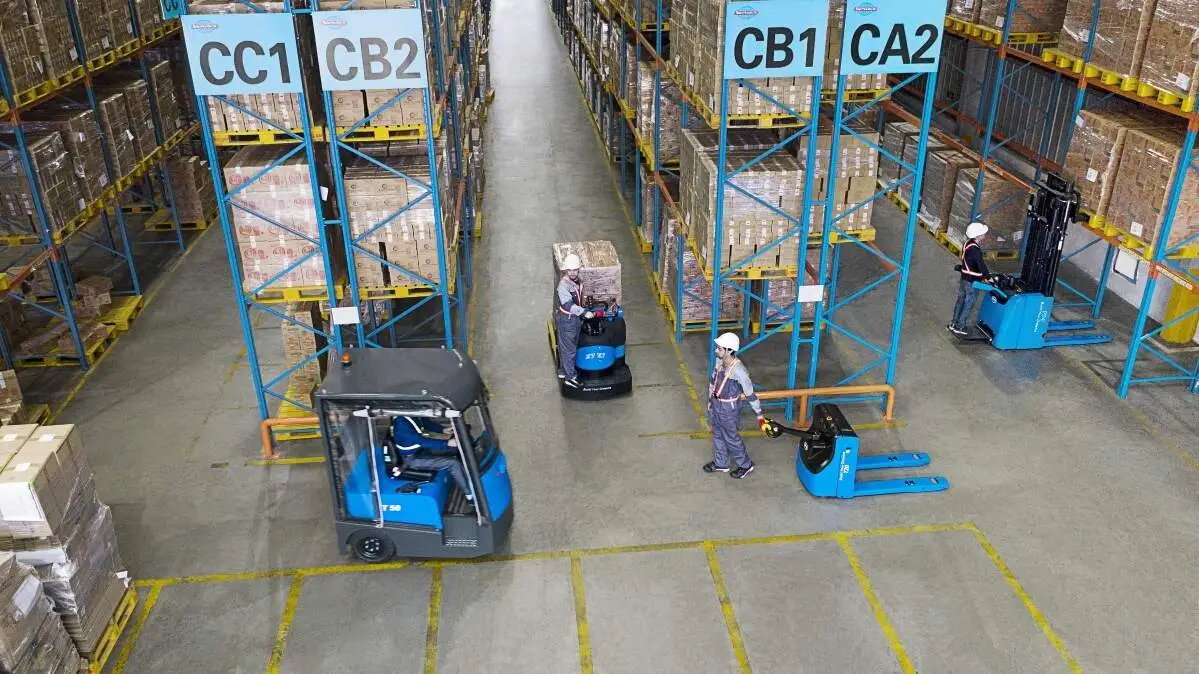
electric forklifts play a critical role in streamlining material handling operations across warehouses, distribution centers, and manufacturing facilities. Over time, regular wear and tear means replacement parts are essential to keep these machines running efficiently and safely. However, sourcing the right replacement parts can be a challenge, as substandard components can lead to unexpected downtime, safety risks, and increased long-term costs. Below are practical, compliant suggestions to help you navigate the process effectively.
First, start by assessing your exact needs before initiating any sourcing efforts. Begin by identifying the specific make and model of your electric forklift, as parts can vary significantly even among similar machines. Document the parts that need replacement, noting details like dimensions, material specifications, and performance requirements based on your operational conditions. For example, if your forklift operates in a high-load, continuous-use environment, prioritize parts designed for heavy-duty applications. Taking the time to conduct a thorough assessment reduces the risk of purchasing incompatible parts that could disrupt operations or cause damage to the forklift.
Next, verify the credentials of potential suppliers to ensure you’re working with reputable partners. Look for suppliers with proven experience in providing forklift replacement parts and check if they adhere to relevant industry safety and quality standards. Ask for evidence of compliance, such as certifications related to manufacturing processes or product safety. Additionally, inquire about their after-sales support, including return policies and warranty coverage, which can provide peace of mind if parts fail to meet expectations. Avoid suppliers that cannot provide clear documentation of their products’ quality or reliability, as this could indicate a higher risk of receiving substandard components.
Prioritizing quality and compliance over low costs is another key recommendation. While budget constraints are a common concern, opting for the cheapest parts available often leads to more frequent replacements and increased downtime. High-quality parts that meet or exceed industry standards not only last longer but also contribute to safer forklift operations. When evaluating parts, request information about material durability, testing procedures, and compliance with safety regulations relevant to material handling equipment. This ensures that the parts you source do not compromise the safety of operators or the integrity of your operations.
Balancing cost with long-term value is also important. Calculate the total cost of ownership for each part option, considering factors like replacement frequency, maintenance requirements, and potential downtime costs. A slightly more expensive part that lasts twice as long as a cheaper alternative may offer better overall value by reducing the need for frequent replacements and minimizing operational disruptions. Additionally, consider bulk purchasing for commonly used parts if your operation has consistent needs, as this can often lead to cost savings while ensuring a steady supply of essential components.
Finally, building long-term relationships with reliable suppliers can streamline future sourcing efforts. By maintaining open communication and providing feedback on parts performance, you can work with suppliers to tailor their offerings to your specific operational needs. Long-term partnerships often come with benefits like preferential pricing, faster delivery times, and access to expert advice on part selection and maintenance. This collaborative approach helps ensure that you have a trusted source for replacement parts, reducing the time and effort spent on sourcing for each individual need.
In conclusion, sourcing electric forklift replacement parts requires a strategic approach that balances need assessment, supplier verification, quality prioritization, cost efficiency, and relationship building. By following these practical suggestions, you can secure parts that enhance the reliability and safety of your forklift fleet, reduce operational downtime, and optimize long-term costs.