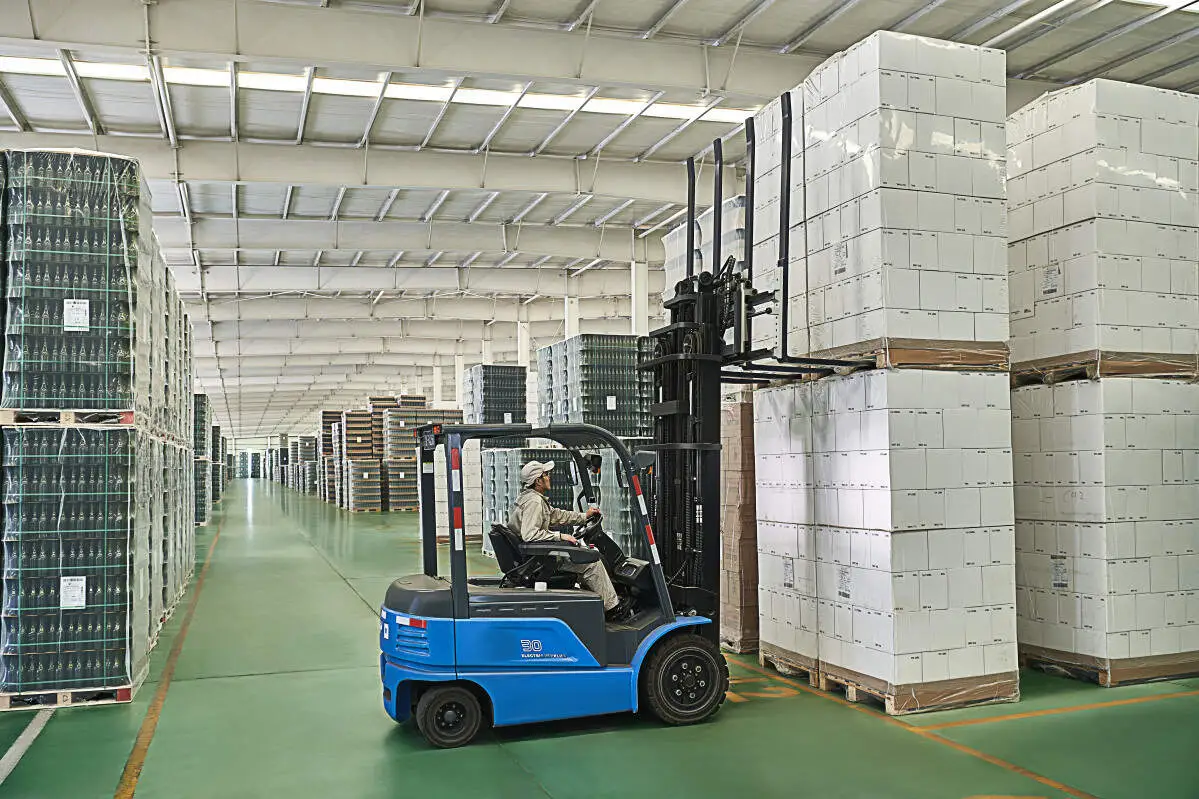
As a novice manual forklift operator, prioritizing safety is non-negotiable to protect yourself, colleagues, and workplace assets. This beginner guidance will walk you through the key steps and precautions to drive a manual forklift safely.
First, complete pre-operation safety checks thoroughly. Before approaching the forklift, put on mandatory personal protective equipment, including a hard hat, steel-toe boots, and high-visibility vest. Inspect the forklift’s exterior: check tire pressure and condition, ensure brake pads are in good shape, and verify hydraulic fluid levels for leaks. Test the horn, headlights, and turn signals to confirm they function properly. Assess the operating area—clear away debris, check for uneven surfaces, and identify overhead obstacles like pipes or beams that could pose risks.
Next, get familiar with the forklift’s controls before starting. Climb onto the forklift using the designated steps, ensuring three points of contact (two hands and one foot, or vice versa) at all times. Adjust the seat and mirrors to suit your posture, so you have a clear view of the surrounding area. Familiarize yourself with the control levers: the lift lever raises or lowers the forks, the tilt lever adjusts the mast angle to keep loads stable, and the gear shift controls forward and reverse movements. Always engage the parking brake before turning on the ignition, and ensure the gear selector is in neutral.
When driving the forklift, start slowly and maintain a steady pace. Release the parking brake, gently press the accelerator, and shift into the desired gear. Remember that forklifts have a high center of gravity, so avoid sharp turns or sudden stops, which can cause the vehicle to tip over. Keep a safe distance from pedestrians, other vehicles, and stacked goods—at least three feet is recommended. Use your horn when approaching blind corners or areas with low visibility to alert others. When traveling downhill, shift to a lower gear and avoid relying solely on the brakes to control speed.
Proper load handling is critical for safe operation. Before picking up a load, adjust the fork spacing to match the width of the pallet, ensuring the forks are fully inserted under the load. Raise the forks to a height of 10-15 centimeters off the ground to avoid dragging the load and maintain stability while driving. Tilt the mast slightly backward to prevent the load from sliding forward. When transporting loads, keep them at the lowest possible height except when navigating obstacles. During unloading, lower the forks gradually, tilt the mast forward slightly, and pull the forklift away once the load is securely placed.
After completing your tasks, follow post-operation procedures carefully. Park the forklift in a designated, level area. Engage the parking brake, lower the forks completely to the ground, and shift the gear selector to neutral. Turn off the ignition and remove the key. Conduct a quick final inspection to check for any damage or leaks that may have occurred during operation, and report any issues to your supervisor promptly.
Remember, safe manual forklift operation takes practice and adherence to workplace safety rules. Always receive proper training before operating a forklift, and never take unnecessary risks. By following these guidelines, you can develop the skills to drive a manual forklift safely and confidently in any workplace setting.