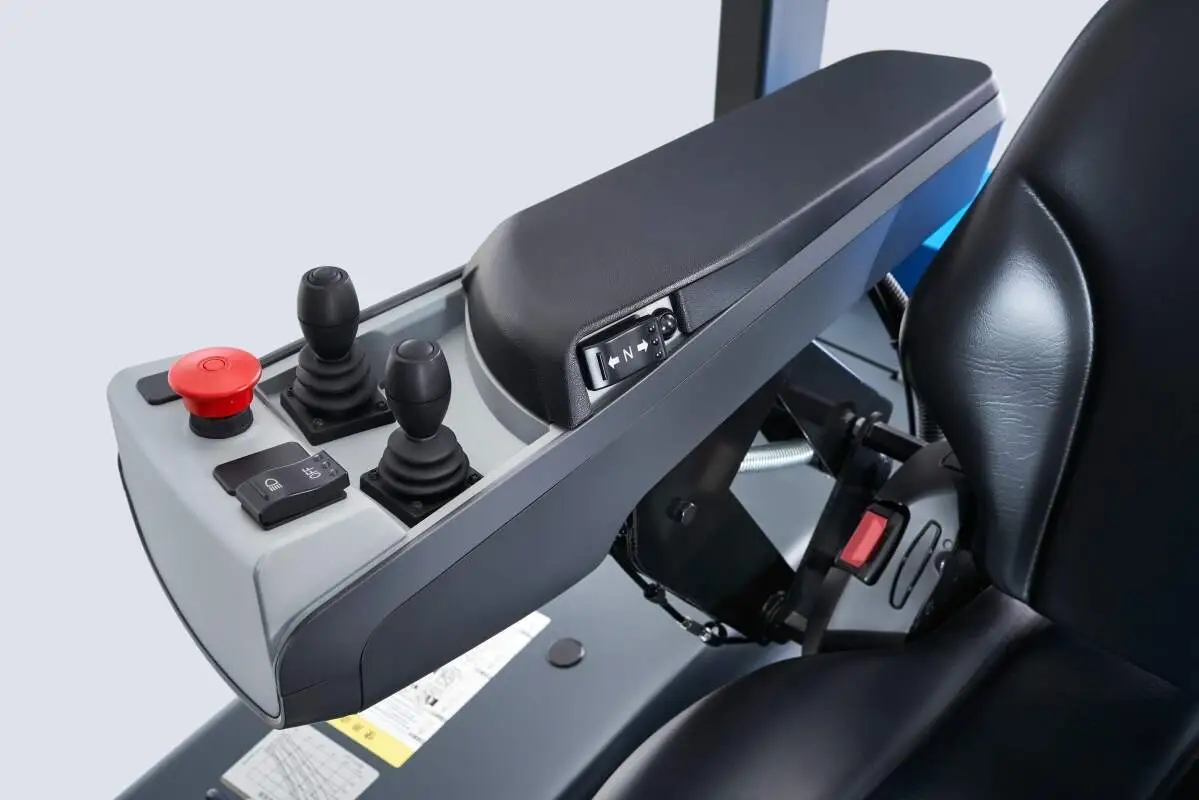
In modern material handling operations, forklifts often encounter loads of diverse sizes and shapes—from compact standard pallets to lengthy construction pipes, bulky crates, and irregularly shaped goods. This variability poses significant challenges for standard forklift forks, which lack the adaptability to secure and transport different loads efficiently. Telescopic forks have emerged as a practical solution, offering a range of functional benefits that address these challenges and elevate operational performance across warehouses, distribution centers, and construction sites.
One of the primary functional benefits of telescopic forks is their adjustable spacing capability. Unlike fixed-width forks, telescopic models can expand or contract their distance to match the width of different loads. For narrow pallets, reducing the fork spacing ensures the forks fit securely beneath the load, preventing it from slipping during transport. For wider crates or oversized materials, expanding the forks provides broader support, distributing the load’s weight evenly and minimizing the risk of imbalance. This adaptability eliminates the need for switching between different fork sets or using additional attachments, saving valuable time during daily operations.
Telescopic forks also enhance space utilization in storage facilities. In narrow-aisle warehouses, where vertical storage is prioritized, telescopic forks can extend horizontally to reach deep into racking systems without requiring the forklift to maneuver closer. This allows businesses to utilize the full depth of storage racks, maximizing available space for more inventory. For loads stored at high heights, the ability to adjust fork length ensures stable retrieval and placement, reducing the risk of damage to both the load and the racking structure. This feature is particularly valuable for businesses looking to optimize their storage capacity without expanding their physical footprint.
Operational flexibility is another key advantage of telescopic forks when handling varied load sizes. When transporting long, slender materials like steel beams or pipes, telescopic forks can extend to provide extended support along the length of the load. This eliminates the need for specialized attachments such as fork extensions, streamlining the handling process and reducing the number of equipment changes required. Additionally, telescopic forks can be adjusted to handle irregularly shaped loads by positioning each fork independently, ensuring the load is balanced and secure during lifting and transport. This flexibility allows forklift operators to handle a wider range of tasks with a single piece of equipment, improving overall workflow efficiency.
Finally, telescopic forks contribute to enhanced safety in material handling operations. By providing a customized fit for each load, they reduce the risk of load shifting, slipping, or falling during transport. This not only protects the goods being moved but also safeguards forklift operators and nearby personnel from potential injuries. The even weight distribution enabled by adjustable fork spacing also reduces strain on the forklift’s chassis and lifting mechanism, extending the lifespan of the equipment and reducing maintenance costs over time.
In summary, telescopic forks offer a versatile and efficient solution for forklifts handling varied load sizes. Their adjustable spacing, space optimization capabilities, operational flexibility, and safety enhancements make them a valuable addition to any material handling fleet, helping businesses streamline operations, reduce costs, and improve productivity.