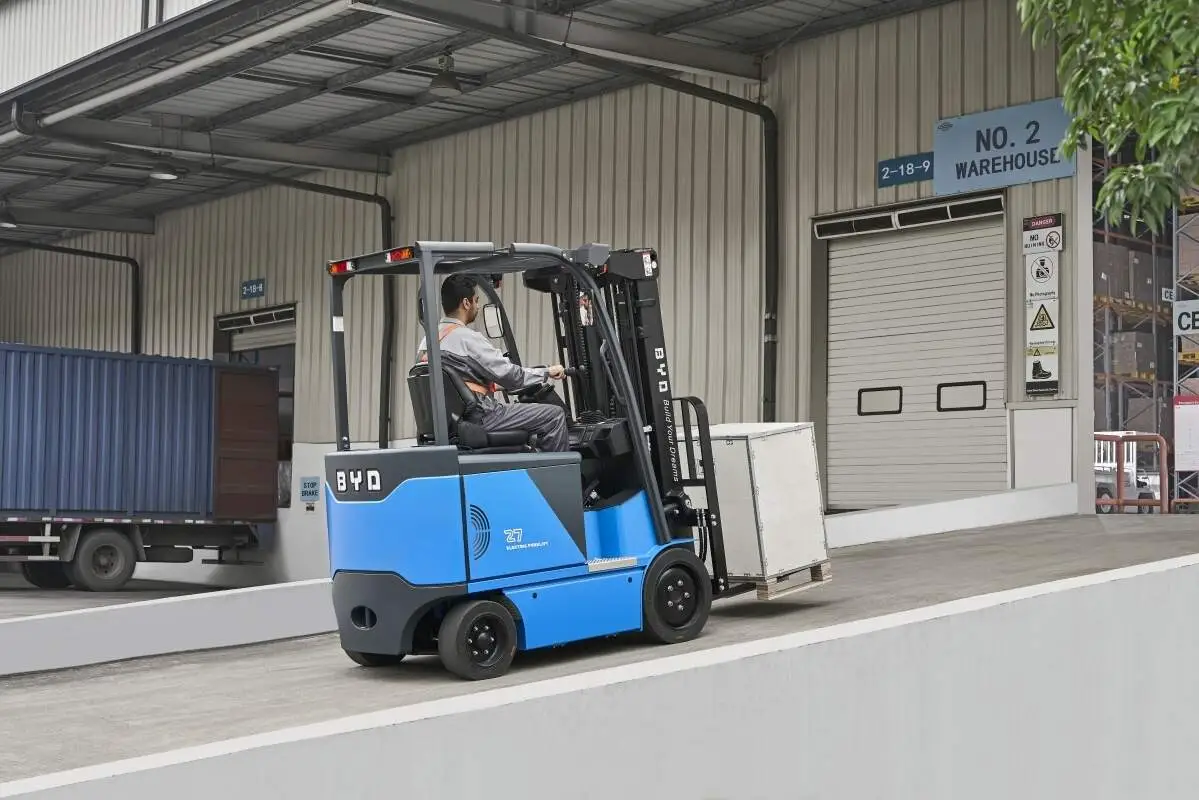
When looking to purchase a used manual forklift, thorough evaluation is critical to ensure you invest in a reliable, safe machine that meets your operational needs. Cutting corners on inspection can lead to unexpected repair costs and safety hazards down the line. Below are key areas to focus on during your assessment.
First, start with a visual inspection of the forklift’s structural integrity. Examine the frame for any cracks, dents, or signs of rust, as these can indicate past damage or neglect. Pay close attention to the forks—check for bending, cracking, or excessive wear on the tips, which could compromise their ability to lift heavy loads evenly. The mast, which supports the forks, should also be inspected for misalignment or bent components that might hinder smooth lifting and lowering.
Next, assess the hydraulic system, which is the heart of a manual forklift. Look for any signs of fluid leaks around hoses, seals, or cylinders. Even small leaks can lead to reduced performance and potential system failure over time. Test the lifting mechanism by raising and lowering the forks multiple times; the movement should be smooth with no jerks or delays. Hold the forks in a raised position for a few minutes to check for unexpected drooping, which would indicate a seal issue that needs repair.
Then, evaluate the operational components. Test the steering system to ensure it responds smoothly and doesn’t feel loose or unresponsive. Check the brakes by engaging them from a slow speed—they should bring the forklift to a quick, controlled stop without squealing or pulling to one side. Inspect the tires for uneven wear, deep cuts, or low tread depth, as worn tires can affect stability and traction. Also, check the wheel bearings and axles for any signs of looseness or unusual noises when moving the forklift.
Safety features should never be overlooked during your evaluation. Verify that all safety lights, horns, and warning labels are intact and functional. If the forklift is equipped with a seatbelt, ensure it is in good condition and latches securely. Check the fork positioner and load backrest extension, if applicable, to confirm they operate as intended and can help prevent loads from slipping off the forks.
Finally, gather information about the forklift’s usage history and maintenance records. Ask the seller about the primary work environment—whether it was used indoors on smooth floors or outdoors on rough terrain, as this affects wear and tear. Inquire about regular maintenance tasks like oil changes, hydraulic fluid replacements, and part replacements. A well-documented maintenance history is a strong indicator that the forklift has been cared for properly. If possible, take the forklift for a test run in a safe area to observe how it performs under real operating conditions, listening for any unusual noises or vibrations.
By systematically checking these key areas, you can make an informed decision when evaluating a used manual forklift for sale. Taking the time to conduct a thorough inspection will help you avoid costly surprises and ensure you select a machine that is safe, reliable, and suited to your business needs.