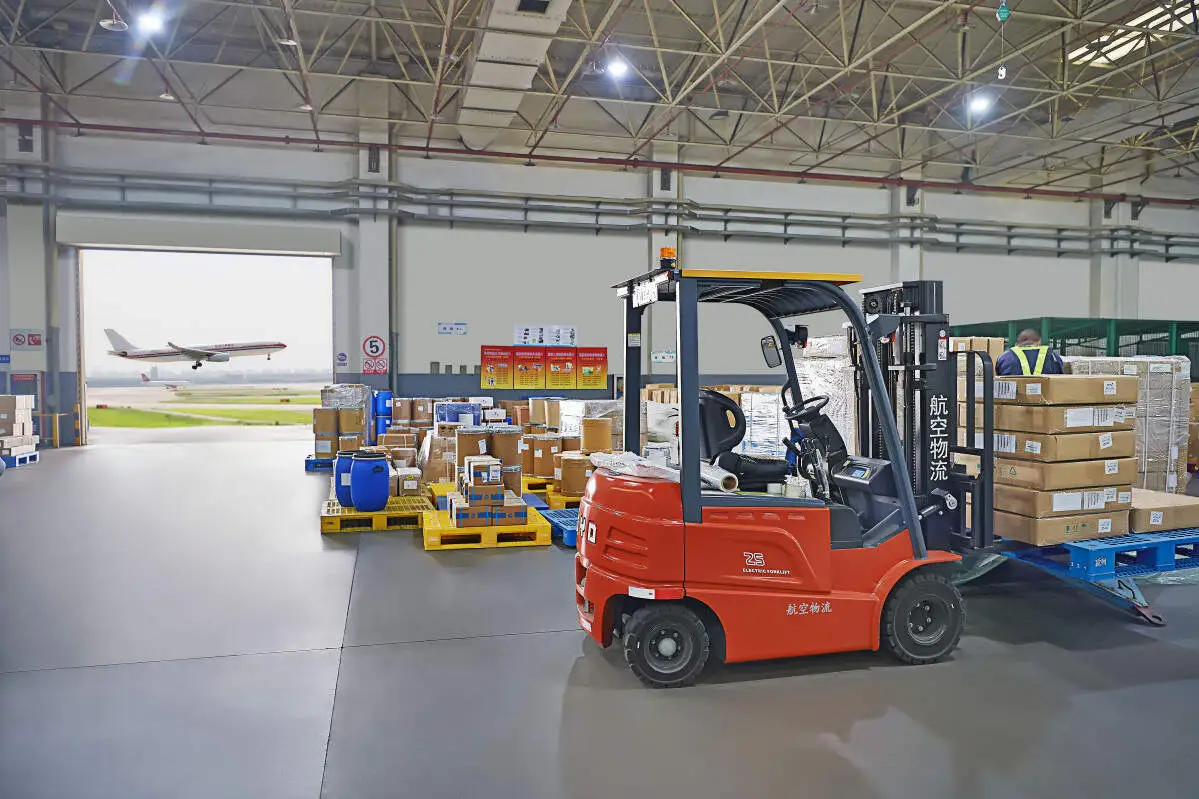
In busy warehouse environments, forklifts play a pivotal role in moving heavy inventory efficiently, but their operation comes with inherent safety risks. A reliable rear view mirror is not just an accessory—it’s a critical safety component that helps operators monitor blind spots, avoid collisions with pedestrians or other equipment, and navigate narrow aisles with confidence. When selecting a rear view mirror for warehouse forklifts, several key factors demand careful evaluation to ensure optimal performance and compliance with safety standards.
First and foremost, visibility range and optical clarity are non-negotiable. Warehouses often feature cluttered layouts, narrow aisles, and stacked inventory, which create multiple blind spots for forklift operators. The ideal mirror should offer a wide field of view to cover areas directly behind and to the sides of the forklift, minimizing blind spots. Opt for mirrors with distortion-free glass or high-quality plastic lenses that maintain clarity even in low-light conditions, such as dimly lit storage zones. Avoid mirrors with excessive curvature that can warp the perception of distances, as this can lead to misjudgments during maneuvering.
Durability and resistance to environmental factors are equally important. Warehouse forklifts operate in harsh conditions, where mirrors may be exposed to accidental impacts from pallets, other machinery, or falling objects. Mirrors constructed from shatterproof materials like polycarbonate are preferable, as they can withstand minor collisions without breaking or cracking. Additionally, mirrors should be resistant to dust, moisture, and chemical spills common in warehouse settings. Look for models with sealed housings to prevent debris from accumulating on the lens surface, ensuring consistent visibility over time.
Mounting flexibility is another key consideration. Different forklift models have varying cab designs and operator positions, so the mirror should offer adjustable mounting options to suit specific needs. Mirrors should be easy to install in positions that align with the operator’s line of sight—typically on the side pillars or overhead guard of the forklift. Adjustable angles allow operators to fine-tune the mirror’s position for maximum coverage, accommodating different operator heights and preferences. Some mirrors also feature quick-release mechanisms, making it easy to reposition or remove them for maintenance or storage.
Compliance with safety standards is a must for any warehouse equipment. Before selecting a mirror, verify that it meets relevant industry safety regulations, which outline requirements for visibility range, mirror size, and mounting stability. These standards are designed to ensure that mirrors effectively reduce blind spots and enhance operator awareness, reducing the risk of workplace accidents. Choosing non-compliant mirrors not only puts operators and pedestrians at risk but may also lead to regulatory penalties for the warehouse facility.
Finally, ease of maintenance and replacement should be evaluated. Over time, mirrors may become scratched, dirty, or damaged, requiring cleaning or replacement. Opt for mirrors with smooth, easy-to-clean surfaces that can be wiped down quickly to remove dust or smudges. Additionally, consider the availability of replacement parts, such as lens covers or mounting brackets, to minimize downtime if a mirror needs repair. Mirrors that are modular and easy to disassemble simplify maintenance tasks, ensuring that forklifts can return to operation promptly.
By carefully evaluating these factors—visibility, durability, mounting flexibility, safety compliance, and maintenance ease—warehouse managers can select rear view mirrors that enhance operational safety, reduce the risk of accidents, and support efficient forklift operation. Investing in high-quality, well-suited mirrors is a small but impactful step toward creating a safer and more productive warehouse environment.