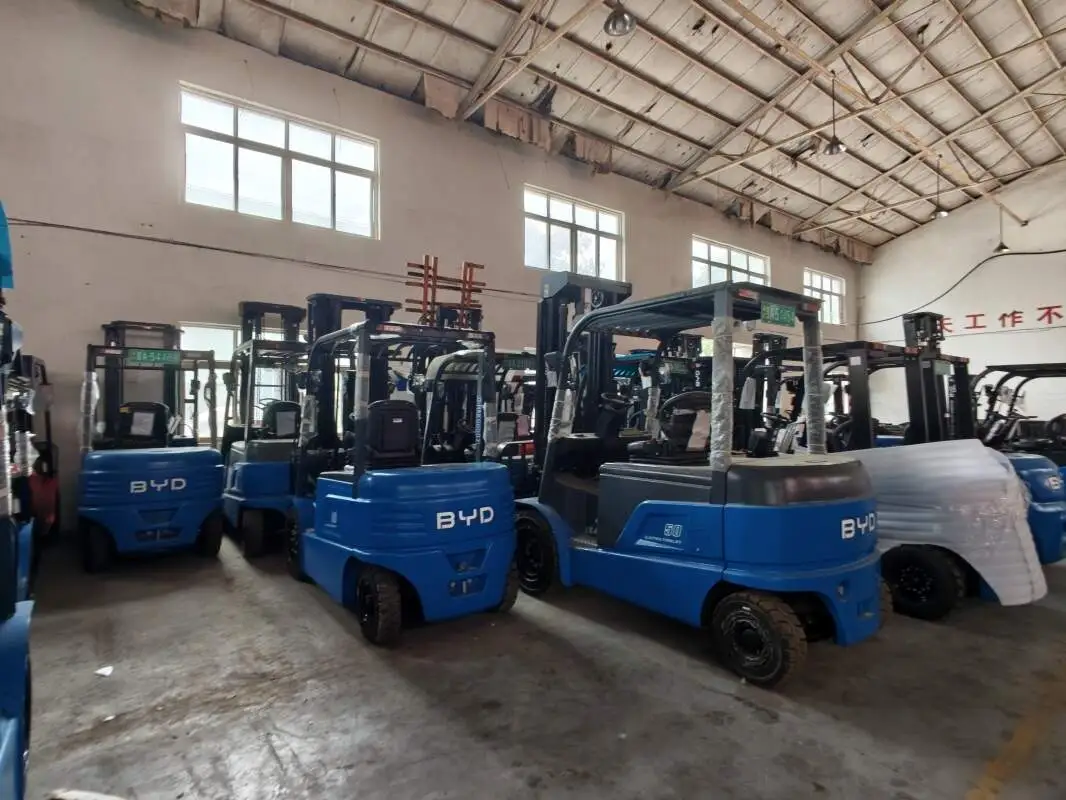
In recent years, the North American market has seen a steady rise in demand for small forklifts, driven by the growth of e-commerce fulfillment centers, small-scale manufacturing facilities, and urban distribution hubs. These compact, maneuverable machines play a critical role in optimizing material handling operations in spaces where larger equipment cannot navigate effectively. For buyers in the region, selecting the right small forklift brand involves understanding specific regional requirements, operational needs, and the support systems offered by providers.
When evaluating small forklift brands serving North America, buyers first prioritize compliance with local regulations. The U.S. Environmental Protection Agency (EPA) sets strict emissions standards for internal combustion engine forklifts, while many regions encourage the adoption of electric models to reduce carbon footprints. Brands operating in the region focus on designing small forklifts that meet these standards, ensuring buyers avoid penalties and align with sustainability goals. Additionally, operational efficiency is a key factor—small forklifts need to handle varying load capacities, navigate narrow aisles, and offer reliable performance through long shifts.
Small forklift brands catering to North American buyers typically offer a range of models tailored to different use cases. Electric small forklifts, including walk-behind and stand-up variants, are particularly popular for indoor operations due to their zero-emission output and quiet operation. For outdoor tasks, some brands provide compact internal combustion models optimized for durability on uneven surfaces. These models often feature adjustable forks, ergonomic controls, and compact turning radii to enhance maneuverability in tight spaces.
Beyond the equipment itself, support services are a crucial aspect of choosing a small forklift brand in North America. Buyers look for brands that offer localized maintenance and repair services, ensuring minimal downtime for their operations. Many providers offer training programs for operators to ensure safe and efficient use of the equipment, reducing the risk of workplace incidents. Additionally, access to readily available replacement parts is essential, as delays in repairs can disrupt daily workflows. Brands that prioritize fast, reliable parts delivery and responsive customer support tend to stand out in the competitive market.
Several factors drive brand selection among North American small forklift buyers. Sustainability initiatives, such as corporate carbon reduction targets, have led many to prefer electric models from brands that emphasize energy efficiency. Customization options, like specialized attachments for handling unique materials, also appeal to buyers with specific operational needs. Furthermore, total cost of ownership—including initial purchase price, maintenance costs, and energy expenses—is a key consideration, as buyers seek solutions that offer long-term value without compromising on performance.
As the demand for small forklifts continues to grow in North America, brands are evolving to meet the diverse needs of buyers. By focusing on compliance, operational efficiency, comprehensive support services, and customizable solutions, these brands help businesses optimize their material handling operations. For buyers, taking the time to evaluate these factors ensures they select a small forklift brand that aligns with their short-term operational needs and long-term business goals.