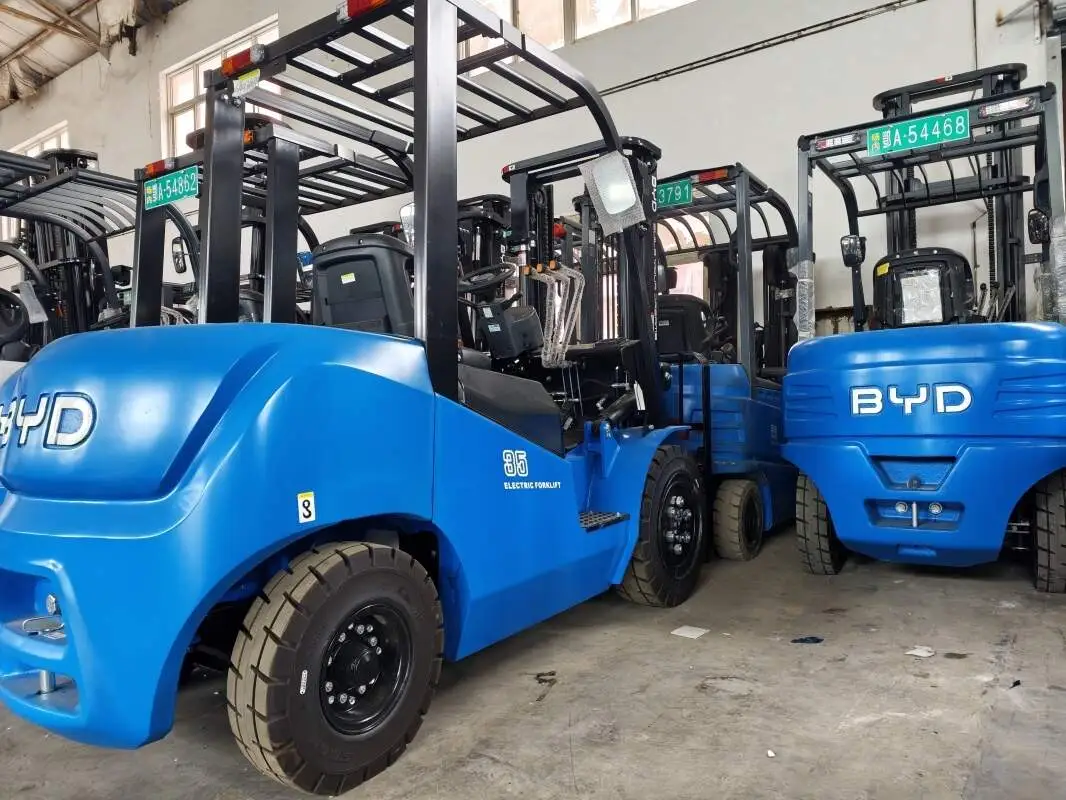
forklift attachments are integral to expanding the functionality of forklifts, enabling them to handle specialized loads and boost operational efficiency. However, their safe operation begins with rigorous pre-use checks that mitigate risks of equipment failure, load incidents, and workplace injuries.
Start with a comprehensive visual inspection. Walk around the attachment and examine all structural components for signs of wear, cracks, or deformation. Look for frayed cables, dented frames, or corrosion that could compromise the attachment’s integrity. Pay close attention to moving parts like hinges, pins, and locking mechanisms—any excessive play or damage here can lead to unexpected malfunctions during use.
Next, conduct functional testing to ensure the attachment operates as intended. Engage the forklift’s hydraulic system to activate the attachment’s key functions, such as clamping, lifting, tilting, or rotating. Observe for smooth movement, unusual noises, or delays in response. If the attachment fails to perform any function properly, do not operate the forklift until the issue is resolved by a qualified technician.
Verify the connection between the forklift and attachment is secure. Inspect hydraulic hoses and fittings for leaks, loose connections, or damage that could cause fluid loss or pressure drops. Check all mounting bolts and pins to ensure they are tightened to the manufacturer’s specified torque. A loose connection can lead to the attachment detaching during operation, posing severe safety hazards.
Confirm the attachment’s load capacity matches the task requirements. Review the load rating label on the attachment and ensure the intended load does not exceed this limit. Overloading the attachment can strain its structural components, leading to failure and potential load collapse. Additionally, consider the load’s size and shape to ensure the attachment can safely secure it without shifting or slipping.
Finally, review maintenance documentation before operation. Check if the attachment has undergone recent inspections or repairs, and note any unresolved issues flagged in the records. Regular maintenance is critical to keeping attachments in safe working condition, and pre-use checks should complement scheduled servicing to catch emerging problems early.
By incorporating these pre-use check points into daily operations, operators can significantly reduce the risk of accidents and ensure forklift attachments operate safely and reliably. Prioritizing these checks not only protects workers but also minimizes equipment downtime and ensures compliance with workplace safety regulations.