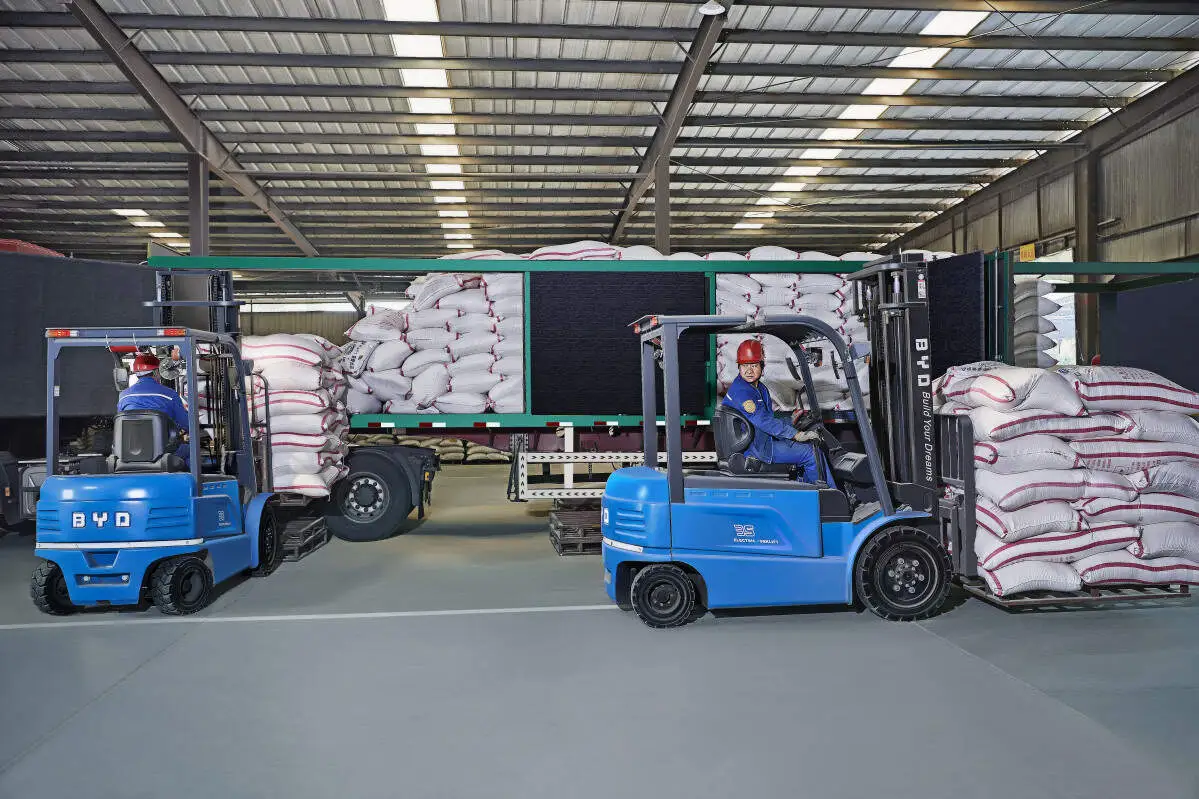
When it comes to replacing the battery in your electric forklift, one of the most critical steps is correctly decoding the battery’s model number. Choosing a mismatched battery can lead to poor performance, reduced lifespan, and even safety risks, making model number interpretation a fundamental skill for anyone responsible for forklift maintenance or procurement.
Most forklift battery model numbers are made up of a series of letters and numbers that convey key specifications. Let’s break down the common components to simplify the decoding process:
First, voltage identification is often the starting point. The initial set of numbers typically indicates the battery’s total voltage output, such as 24, 48, or 80 volts. This figure must match your forklift’s electrical system exactly—using a battery with the wrong voltage can damage the forklift’s controller or leave it unable to operate at full capacity, disrupting daily operations.
Next, the capacity rating, usually marked by a number followed by “Ah” (amp-hour), tells you how long the battery can power the forklift under typical use. A higher Ah rating translates to longer run times, but it’s essential to choose a capacity that aligns with your operational needs and the forklift’s design constraints. Over-sizing or under-sizing the capacity can lead to inefficient power usage or unnecessary costs.
Then come size and fit codes, which are often represented by letters or additional numbers. These codes denote the battery’s physical dimensions, including length, width, and height. Ensuring the battery fits perfectly into the forklift’s battery compartment is non-negotiable; a battery that’s too large may not fit at all, while one that’s too small could shift during operation, causing damage to internal components or creating safety hazards.
Some model numbers also include battery type indicators, such as letters specifying whether the battery is a flooded lead-acid, sealed lead-acid, or lithium-ion unit. Understanding these indicators helps you select a battery that matches your forklift’s requirements and maintenance preferences—for example, sealed batteries require less frequent maintenance compared to flooded types.
Failing to decode the model number correctly can lead to costly mistakes. A battery with insufficient voltage may struggle to lift heavy loads or operate through full shifts, hurting productivity. An incorrectly sized battery might require modifications to the forklift, which can void warranties and increase long-term maintenance costs. Additionally, choosing the wrong battery type can lead to more frequent replacements or unexpected downtime.
To ensure you decode the model number accurately, start by consulting your forklift’s owner’s manual, which often includes a detailed guide to battery specifications. If you’re unsure about any part of the decoding process, don’t hesitate to reach out to a professional. At Jianshu New Energy, we specialize in BYD electric forklifts and can provide expert guidance on battery model decoding and replacement. Our team has in-depth knowledge of electric forklift battery requirements, helping you select the right battery for your specific model to ensure optimal performance and longevity. For personalized assistance, you can contact us at 17399989919@163.com.
Taking the time to properly decode forklift battery model numbers is a small but crucial step in maintaining your electric forklift’s reliability. By understanding what each part of the model number means, you can make informed purchasing decisions that keep your operations running smoothly and efficiently.