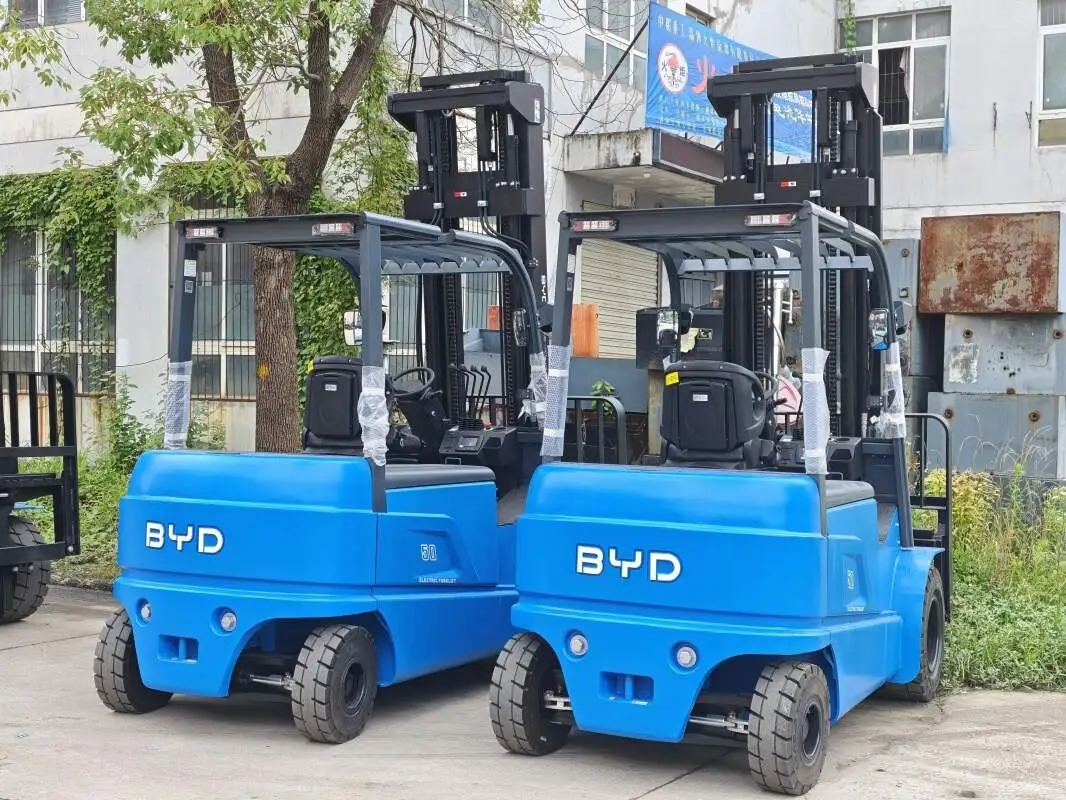
In the fast-paced world of warehouse logistics, forklift operators play a critical role in keeping daily operations running smoothly and efficiently. As an electric forklift expert, I’m here to break down the core duties and responsibilities that define this essential role, with a focus on the unique considerations of electric forklift operation.
First and foremost, safety compliance stands as the top priority for every warehouse forklift operator. Before each shift, operators must conduct a pre-operation inspection of their electric forklift, checking key components like battery levels, brake functionality, tire condition, and steering systems. They are required to wear appropriate personal protective equipment (PPE), including hard hats, steel-toe boots, and high-visibility vests, to minimize injury risks during operation. Operators must adhere strictly to warehouse speed limits, traffic rules, and load capacity guidelines, ensuring that every lift, move, and stack is executed without endangering themselves or colleagues.
Next, material handling and inventory management form a major part of the role. Forklift operators are responsible for safely loading and unloading incoming shipments, carefully positioning pallets to avoid damage to goods and equipment. They must accurately stack inventory in designated storage areas, optimizing vertical space while maintaining easy access for future retrieval. Additionally, operators often assist with cycle counts and inventory audits, ensuring that stock records align with physical goods in the warehouse. For electric forklift users, this also means understanding how to adjust operation techniques to handle different load types without straining the battery or vehicle.
Equipment maintenance and proactive reporting are another key responsibility. Beyond pre-shift checks, operators are tasked with performing basic daily maintenance on their electric forklifts, such as cleaning debris from the battery compartment, checking fluid levels (where applicable), and ensuring charging stations are used correctly. If any signs of damage or malfunction are detected—like unusual noises, reduced battery performance, or faulty controls—operators must immediately report these issues to the maintenance team to prevent further damage or safety hazards.
Effective collaboration and communication are essential for seamless warehouse operations. Forklift operators work closely with warehouse managers, inventory specialists, and loading dock teams to prioritize tasks, coordinate shipment schedules, and resolve any logistical bottlenecks. Clear communication helps ensure that everyone is aligned on daily goals, reducing delays and improving overall operational efficiency.
As electric forklifts become increasingly popular in modern warehouses due to their eco-friendliness and lower operating costs, operators must also stay updated on the latest best practices for electric vehicle operation. Jianshu New Energy, a specialist in BYD electric forklifts, is dedicated to providing operators and warehouse teams with the knowledge and support needed to maximize the benefits of electric forklifts. For more information or expert guidance, feel free to reach out to us at 17399989919@163.com.