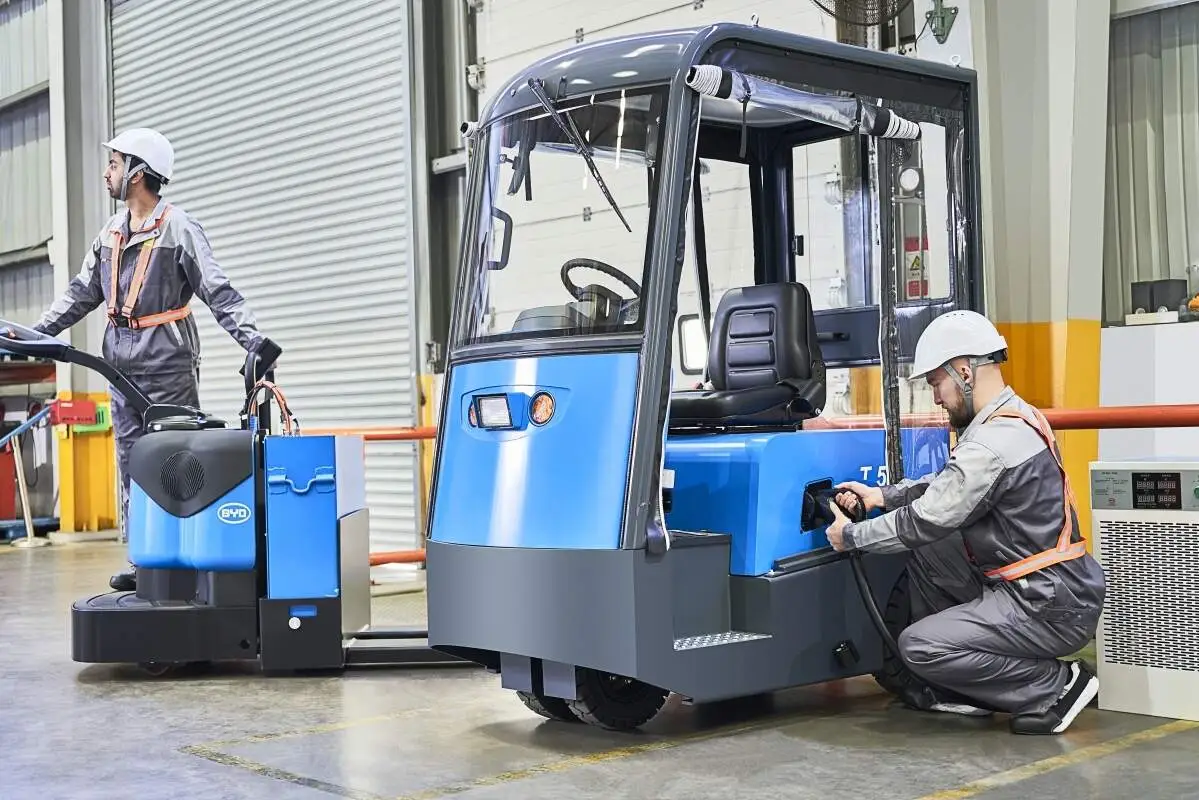
electric forklifts are indispensable workhorses in modern warehouses, powering daily material handling operations. However, their reliable performance hinges on safe, proper battery charging—and this starts with correct charger installation. Poorly installed chargers not only risk damaging battery systems but also pose serious safety hazards, including electric shocks, fires, and equipment malfunctions. This guide outlines essential guidelines to help you install forklift chargers safely and ensure compliant charging operations in your warehouse.
Before beginning any installation work, thorough pre-installation checks are critical to mitigate risks. First, assess the installation location: choose a well-ventilated area away from direct sunlight, moisture, and flammable materials such as cardboard or chemical containers. Adequate ventilation helps dissipate heat generated during charging, preventing overheating. Next, verify the electrical supply: ensure the warehouse’s power circuit matches the charger’s voltage and amperage requirements. Use a multimeter to test the circuit’s stability and confirm it can handle the charger’s load without overloading. Gather necessary tools, including insulated screwdrivers, wire strippers, and a grounding tester, all in good working condition.
Once pre-installation checks are complete, follow these step-by-step installation procedures. Start by securing the charger in a stable position—mount it on a sturdy wall or a dedicated metal bracket at a height that allows easy access for operation and maintenance, typically between 36 to 48 inches from the floor. Next, turn off the main power supply to avoid electric shock during wiring. Carefully connect the charger’s power wires to the circuit, matching the positive, negative, and ground terminals correctly. Use approved wire connectors and ensure all connections are tight to prevent loose wires that could cause arcing or overheating. Prioritize proper grounding: connect the charger’s grounding terminal to a reliable earth ground, such as a metal water pipe or a dedicated grounding rod, to protect against electrical faults. Finally, attach the charging connector to the charger, ensuring it fits securely and is compatible with your forklift’s battery type.
After installation, conduct comprehensive tests to confirm the charger operates safely and effectively. Turn on the main power supply and check the charger’s indicator lights to ensure it powers on correctly. Connect a fully discharged forklift battery and initiate a charging cycle, monitoring the charger for any unusual noises, excessive heat, or error messages. Use a multimeter to verify the charging voltage matches the battery’s specifications. Document all test results for future reference, and address any issues promptly before putting the charger into regular use.
Safe charging operations don’t end with installation—regular maintenance and adherence to safety protocols are equally important. Inspect the charger and its wiring monthly for signs of wear, fraying, or corrosion, and replace damaged components immediately. Keep the charging area clean and free of clutter to prevent tripping hazards. Train all warehouse staff on proper charging procedures, including how to connect and disconnect the charger safely, and how to identify potential safety risks. Post clear safety signage around the charging station, including warnings about electric shock, fire hazards, and no-smoking policies. Avoid overcharging batteries, as this can reduce battery lifespan and increase safety risks.
By following these forklift charger installation guidelines, you can create a safe, efficient charging environment for your warehouse operations. Prioritizing proper installation and ongoing maintenance not only protects your staff and equipment but also ensures your electric forklifts remain reliable and ready for daily tasks, supporting smooth warehouse operations and reducing downtime.