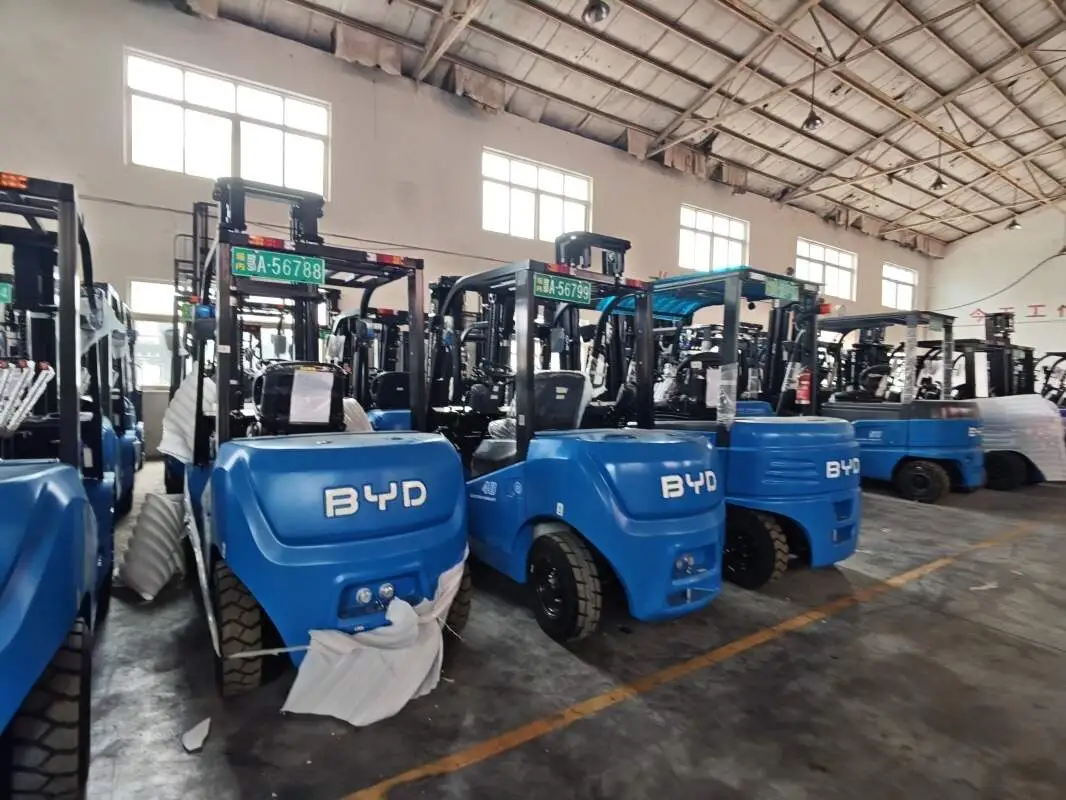
Choosing the right forklift for your material handling operations starts with understanding forklift class ratings, standardized to define each machine’s design, power source, and intended use. These ratings ensure you select equipment that aligns with your workspace, load requirements, and safety protocols.
Class 1 forklifts are electric counterbalance models powered by batteries, ideal for indoor material handling jobs like warehouse pallet moving, order picking, and inventory management. Their zero-emission operation makes them suitable for enclosed spaces with limited ventilation, while their stable counterbalance design handles loads up to several tons efficiently. They work best on smooth, even floors, such as concrete warehouse surfaces.
Class 2 forklifts include electric narrow-aisle models, designed for tight indoor spaces like high-rack warehouses where space optimization is critical. These machines feature compact turning radii and often have elevated masts for reaching high storage shelves. They excel at handling small to medium loads in narrow corridors, making them perfect for order fulfillment operations that require navigating confined areas.
Class 3 forklifts are electric pallet jacks and stackers, focused on short-distance material handling tasks. Pallet jacks are used for moving loaded pallets between storage areas and loading docks, while stackers can lift pallets to low or medium-height shelves. They are lightweight, easy to maneuver, and ideal for low-volume, quick-move jobs in retail stockrooms or small warehouses.
Class 4 forklifts are internal combustion (IC) counterbalance models with solid tires, built for outdoor material handling jobs on paved surfaces. Powered by gasoline, diesel, or propane, they handle heavy loads and are resistant to wear from concrete or asphalt. Common uses include loading and unloading trucks, moving construction materials in paved yards, and general outdoor storage operations.
Class 5 forklifts are IC counterbalance models with pneumatic (air-filled) tires, designed for rough outdoor terrain like construction sites, gravel yards, or unpaved loading areas. Their thick, rugged tires provide traction on uneven surfaces, and their powerful engines can lift heavy loads in challenging environments. They are essential for jobs where stability and off-road capability are needed.
Class 6 forklifts are electric rough-terrain models, combining the zero-emission benefit of electric power with the durability to handle outdoor uneven surfaces. They are a good choice for operations that need both environmental friendliness and off-road performance, such as landscaping supply yards or outdoor storage facilities with mixed terrain.
Class 7 forklifts are explosion-proof models, engineered for material handling in hazardous environments where flammable gases, vapors, or dust are present. These forklifts have modified components to prevent sparks and ignition, ensuring safe operation in chemical plants, refineries, or grain storage facilities where explosive materials are handled.
By understanding each forklift class rating and its specific applications, you can make informed decisions to enhance efficiency, safety, and productivity in your material handling operations. Always match the forklift class to your job’s unique requirements, considering factors like workspace size, load weight, terrain, and environmental conditions.