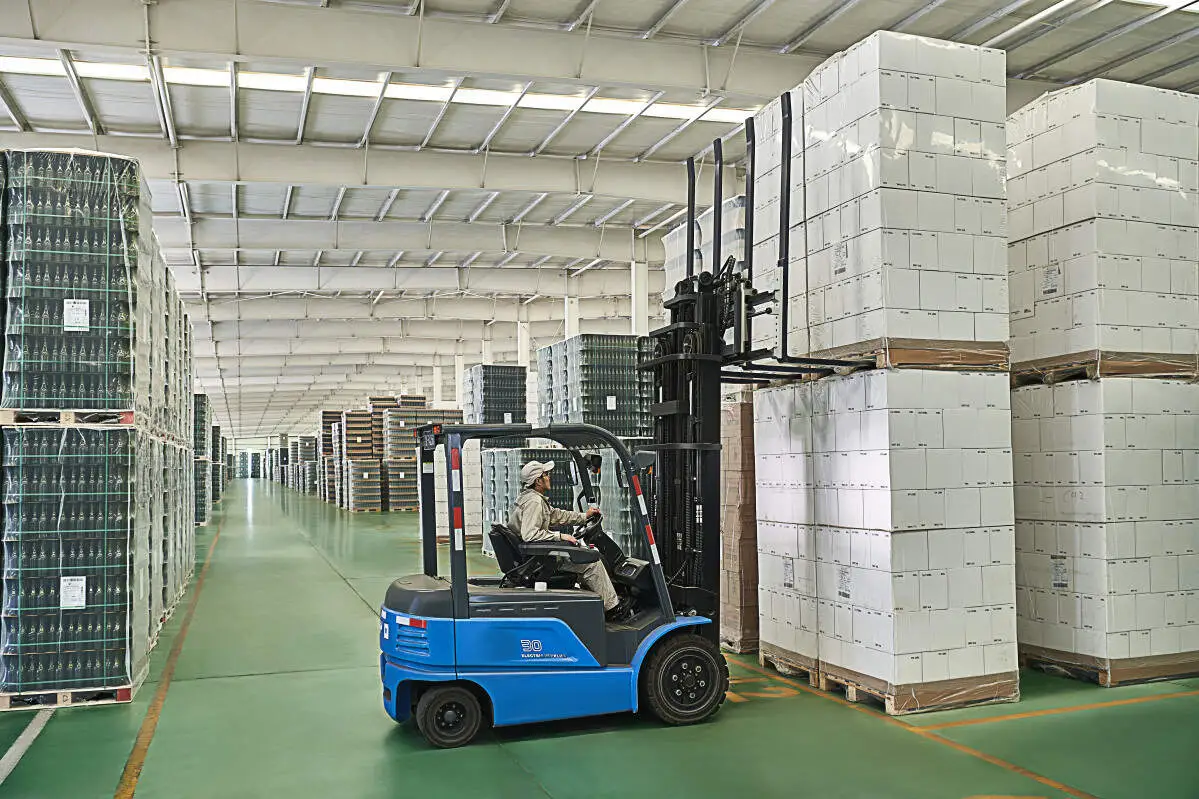
Operating forklifts in low-temperature environments—such as cold storage facilities, outdoor winter work sites, or northern regions with prolonged freezing conditions—presents unique challenges that can compromise engine performance and shorten equipment lifespan. Cold air thickens engine oil, increases crankshaft resistance, and reduces battery output, leading to hard startups, increased component wear, and decreased fuel efficiency. Choosing the right engine heater solution is critical to maintaining reliable operation and minimizing downtime during cold weather.
Engine block heaters are a common and effective option for cold-climate forklift operation. These heaters are installed directly onto the engine block, using electrical power to warm the metal and surrounding oil. By raising the engine’s core temperature before startup, they reduce friction during ignition, ease cranking, and cut down on the wear caused by cold starts. Ideal for overnight or extended parking in freezing conditions, engine block heaters are a cost-effective choice for most internal combustion forklifts, as they require minimal installation and deliver consistent warming.
Coolant heaters offer another versatile solution for low-temperature performance. Unlike block heaters that target localized areas, coolant heaters circulate heated fluid through the engine’s cooling system, warming the entire engine uniformly. This not only aids in easier startups but also ensures the engine reaches operating temperature faster, improving fuel combustion efficiency and reducing harmful emissions. Coolant heaters are particularly beneficial for facilities where forklifts need to be ready for immediate use, as they can maintain a consistent engine temperature even during short shutdowns, eliminating wait time for warm-up.
Battery heaters are essential for electric forklifts operating in cold environments, as low temperatures drastically reduce battery capacity and charging efficiency. These heaters typically wrap around the battery pack or use a heating pad to maintain optimal electrolyte temperature, ensuring the battery can deliver sufficient power for startup and continuous operation. For hybrid forklifts, combining battery heaters with engine-specific heating solutions can create a comprehensive cold-weather performance package, addressing both combustion engine and battery-related challenges.
When selecting a heater option, it’s important to consider factors such as the minimum ambient temperature, forklift type (internal combustion, electric, hybrid), and daily usage patterns. Consulting with a maintenance professional can help determine the most suitable heater to meet specific operational needs, ensuring long-term equipment reliability and reducing the risk of costly cold-weather breakdowns.