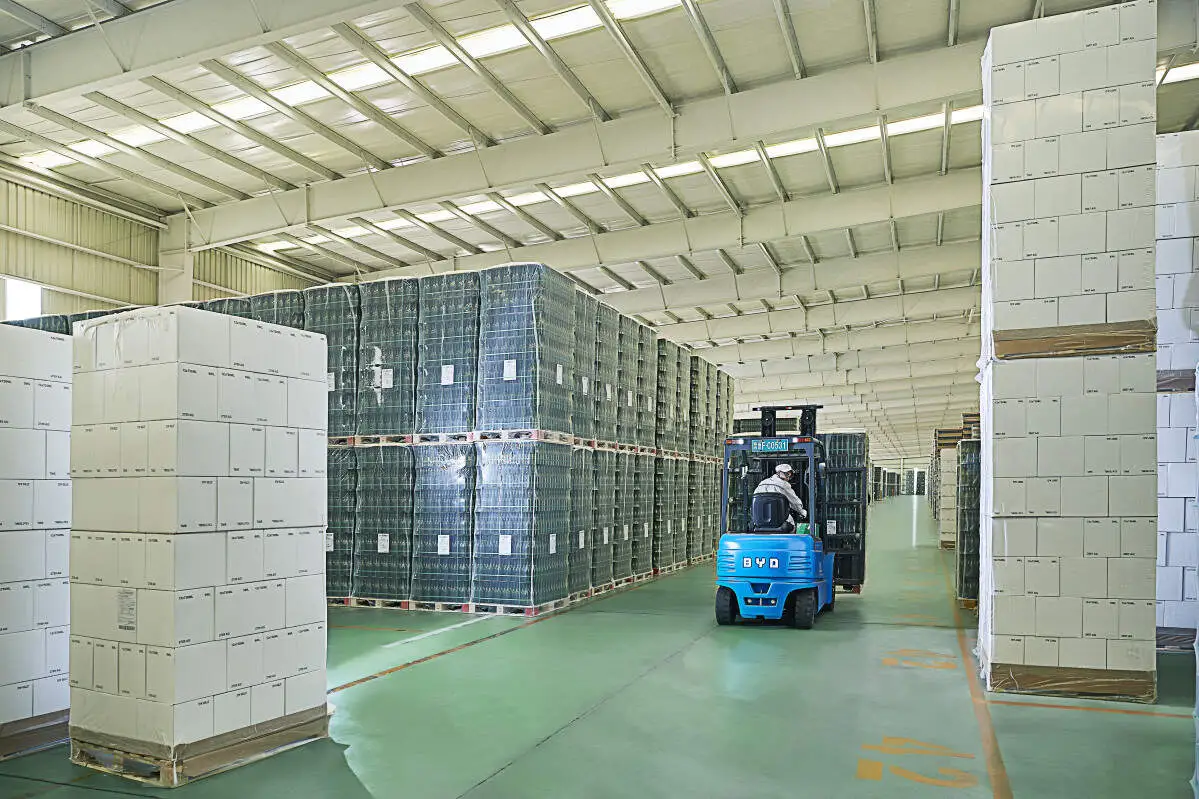
electric forklifts are critical assets in warehouses, distribution centers, and industrial facilities, keeping daily operations running smoothly. When a component fails, delayed access to replacement parts can lead to costly downtime, disrupting workflows and impacting productivity. Sourcing these parts near your operation sites is a strategic way to minimize such disruptions. Below are practical, compliant methods to secure replacement forklift parts efficiently in your local area.
One of the most reliable approaches is partnering with local parts suppliers. These businesses typically maintain inventories of common forklift components, from batteries and tires to hydraulic hoses and control panels. By building a long-term relationship with a nearby supplier, you can benefit from faster delivery times—often same-day or next-day service for urgent needs. Face-to-face communication also allows you to clarify part specifications, ensuring you receive the correct component the first time. Additionally, local suppliers may offer personalized support, such as helping you identify parts based on your forklift’s model and serial number, reducing the risk of mismatched components.
Leveraging local online marketplaces and business directories is another effective strategy. Many regional B2B platforms and classified listing sites feature listings for forklift part suppliers operating in your vicinity. These platforms often include customer reviews and ratings, helping you vet suppliers for reliability and quality. You can filter results by location to find providers within a short distance, then contact them directly to inquire about part availability and pricing. Some online services even offer same-day delivery options for in-stock items, making it easy to source parts quickly without leaving your facility.
Tapping into industry networks and professional associations can provide valuable leads for local part sources. Forklift operators and maintenance teams often share recommendations for trusted suppliers through industry forums, trade shows, or local association meetings. Attending regional industrial events allows you to connect with suppliers in person, learn about their inventory offerings, and negotiate favorable terms for future purchases. Networking with peers also gives you insights into how other businesses handle part sourcing challenges, helping you refine your own strategy.
Collaborating with forklift service and maintenance providers is a smart choice for both part sourcing and technical support. Most maintenance companies keep a stock of frequently needed replacement parts, or they have established relationships with distributors to quickly obtain rare components. When you work with a local service provider, you can not only get the parts you need but also access expert advice on installation and maintenance. This integrated approach can save time, as the provider can often deliver and install the part in a single visit, getting your forklift back in operation faster.
Establishing a preemptive near-site inventory strategy can reduce reliance on external suppliers for common parts. By identifying components that wear out regularly—such as brake pads, filters, and battery connectors—you can store a small stock of these items at your operation site or in a nearby storage facility. Regularly monitor inventory levels and restock based on usage patterns to ensure you never run out of critical parts. This strategy is particularly useful for facilities with multiple forklifts, as it eliminates wait times for routine replacements and minimizes the impact of unexpected breakdowns.
Combining these methods can create a robust part sourcing system tailored to your operation’s needs. Whether you prioritize fast emergency deliveries or proactive inventory management, sourcing parts near your site ensures you can address forklift issues quickly, keeping your operations efficient and productive. By building strong relationships with local suppliers and leveraging available resources, you can minimize downtime and maintain the reliability of your electric forklift fleet.