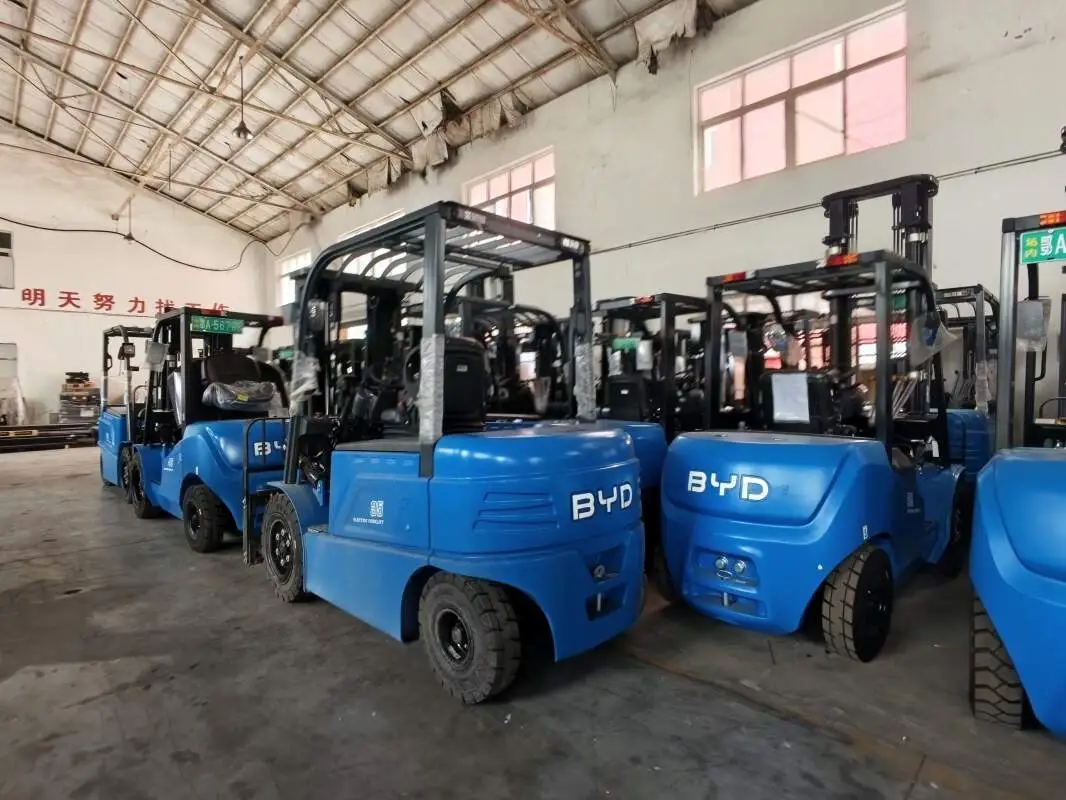
The forklift mast is a critical component responsible for lifting and positioning loads, making its reliability essential for safe and efficient material handling operations. Without proper maintenance, mast failure can lead to costly downtime, workplace accidents, and damage to goods. Implementing routine inspections is the most effective way to identify potential issues early and prevent catastrophic mast failures.
Hydraulic System Inspections
The hydraulic system powers mast elevation and tilting, so regular checks of this system are paramount. Start by verifying the hydraulic fluid level against the standard specified range; low fluid can reduce lifting capacity and cause erratic mast movement. Next, inspect all hydraulic hoses and fittings for signs of leaks, cracks, or bulges. Even small leaks can lead to gradual pressure loss, compromising the mast’s ability to hold loads steadily. Tighten any loose fittings and replace damaged hoses promptly to avoid system failure. Additionally, check the hydraulic filter for clogs, as restricted flow can strain the pump and reduce overall system efficiency.
Structural Integrity Checks
Over time, the mast’s metal components can develop stress cracks, bending, or corrosion due to repeated load cycles and exposure to harsh environments. Begin by visually inspecting the mast’s outer beams and inner rails for any visible cracks, especially near welds or connection points. Use a magnifying glass if needed to spot small, hard-to-see cracks. Check for signs of bending or warping in the rails, which can cause the carriage to bind during movement. Corrosion should also be addressed immediately, as it weakens structural integrity and can lead to component failure over time. If any structural damage is detected, discontinue use of the forklift until repairs are completed by a qualified technician.
Wear and Tear Component Assessments
Moving parts of the mast are prone to wear, which can impact performance and safety. Inspect the mast chains for signs of stretching, broken links, or excessive wear on the chain pins. Proper chain tension is crucial; loose chains can slip or jump off sprockets, while overly tight chains can cause premature wear on sprockets and bearings. Check the tension by pressing down on the chain at its midpoint—there should be a small amount of slack as specified by standard guidelines. Next, examine the mast’s rollers and guide wheels for wear patterns or damage. Worn rollers can cause the mast to lift unevenly or produce unusual noises during operation. Replace any worn or damaged rollers to ensure smooth mast movement.
Operational Function Testing
After completing visual inspections, perform operational tests to confirm the mast functions correctly. Start by lifting the mast to full height and lowering it slowly, listening for any unusual grinding or squealing noises. Test the tilting function to ensure the mast tilts smoothly in both directions without hesitation. Verify that the mast’s safety features, such as the load backrest extension and height limit switch, are working properly. These features are designed to prevent overloading and excessive mast elevation, reducing the risk of accidents. If any operational issues are detected during testing, investigate the root cause and address it before resuming use of the forklift.
Regular routine inspections are a proactive measure that saves time and money in the long run. By consistently checking the hydraulic system, structural components, wear parts, and performing operational tests, you can prevent forklift mast failures, extend the lifespan of your equipment, and maintain a safe workplace environment.