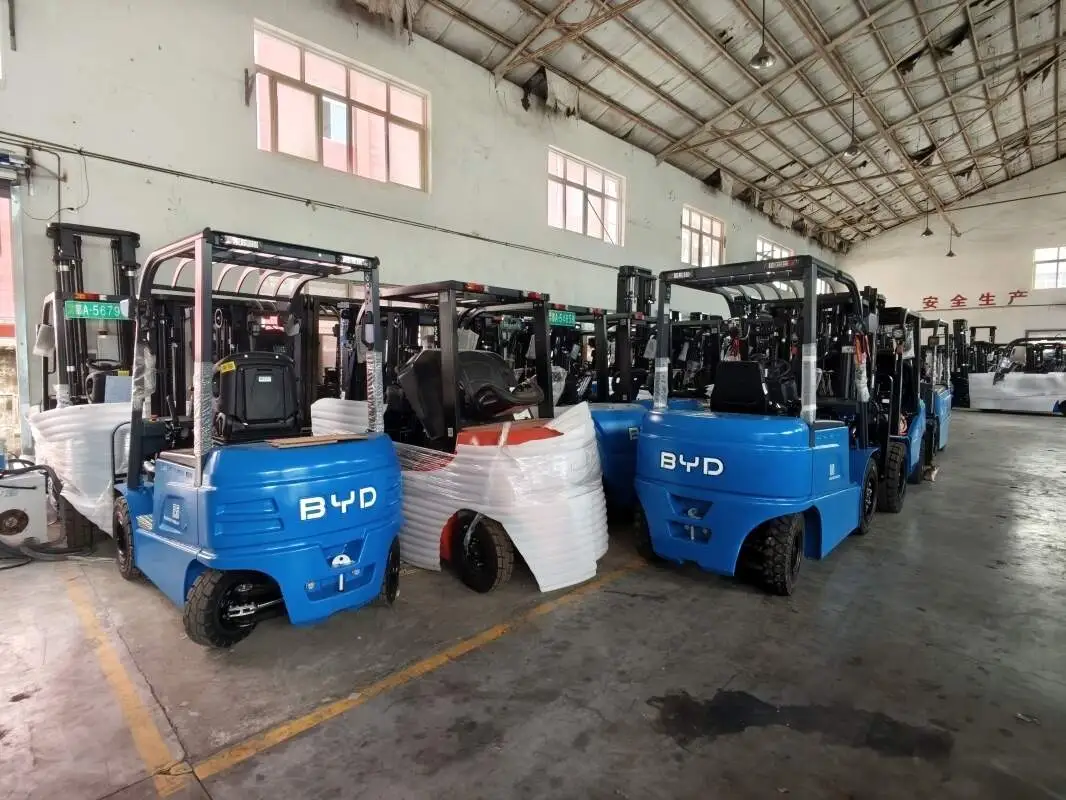
When operating an electric forklift, clear visibility is critical for safe maneuvering in warehouses, loading docks, and tight working spaces. forklift mirrors play a key role in reducing blind spots and preventing collisions, making it essential to choose the right mirror and install it correctly.
Price Reference for Electric Forklift Mirrors
The cost of electric forklift mirrors varies based on factors like mirror type, material quality, and additional features. Here’s a general price range to help you plan your purchase:
- Basic Flat Mirrors: These entry-level mirrors offer standard visibility and are made from durable plastic frames with glass lenses. They typically cost between $20 and $40. Ideal for indoor operations with minimal glare, they are a cost-effective choice for small-scale forklift fleets.
- High-Definition Convex Mirrors: Designed to expand field of view, convex mirrors provide a wider angle to detect obstacles and pedestrians. With shatter-resistant glass and reinforced frames, their price ranges from $45 to $70. They are suitable for busy outdoor loading areas or warehouses with complex layouts.
- Anti-Glare Mirrors: Equipped with special coatings to reduce glare from sunlight or overhead lighting, these mirrors ensure clear visibility in bright conditions. Their advanced lens technology and sturdy construction push the price to $60 to $90. They are a practical investment for forklifts operating in both indoor and outdoor environments.
Practical Installation Guidance
Proper installation ensures your forklift mirror functions effectively and stays secure during operation. Follow these step-by-step instructions:
1. Prepare Necessary Tools: Gather a set of wrenches, screwdrivers matching the mirror mounting hardware, and a piece of masking tape to mark positions. Ensure the forklift is turned off and parked on a flat, stable surface before starting.
2. Remove the Old Mirror: If replacing an existing mirror, carefully loosen the mounting bolts or screws using the appropriate tool. For mirrors with electrical components (such as adjustable models), disconnect the wiring harness gently to avoid damage. Set the old mirror aside safely.
3. Position the New Mirror: Hold the new mirror against the mounting bracket on the forklift cab. Use masking tape to mark the optimal position that provides a clear view of the rear and side areas without obstructing the operator’s forward vision. Adjust the angle slightly to cover key blind spots.
4. Secure the Mirror: Align the mirror with the marked position and tighten the mounting bolts or screws gradually. Ensure the mirror is firmly attached but avoid over-tightening, which could crack the frame or damage the mounting surface. For electrical mirrors, reconnect the wiring harness and tuck it away to prevent entanglement.
5. Test and Adjust: Start the forklift and test the mirror’s stability by moving the vehicle slowly. Adjust the mirror angle as needed to ensure maximum visibility of surrounding areas. Double-check that there is no wobbling or loose hardware that could affect performance during use.
To extend the lifespan of your forklift mirror, clean the lenses regularly with a soft cloth to remove dust and smudges. Inspect the mounting hardware periodically to ensure it remains tight, especially after operating on rough terrain. If you notice any cracks in the lens or damage to the frame, replace the mirror promptly to maintain safe operation.