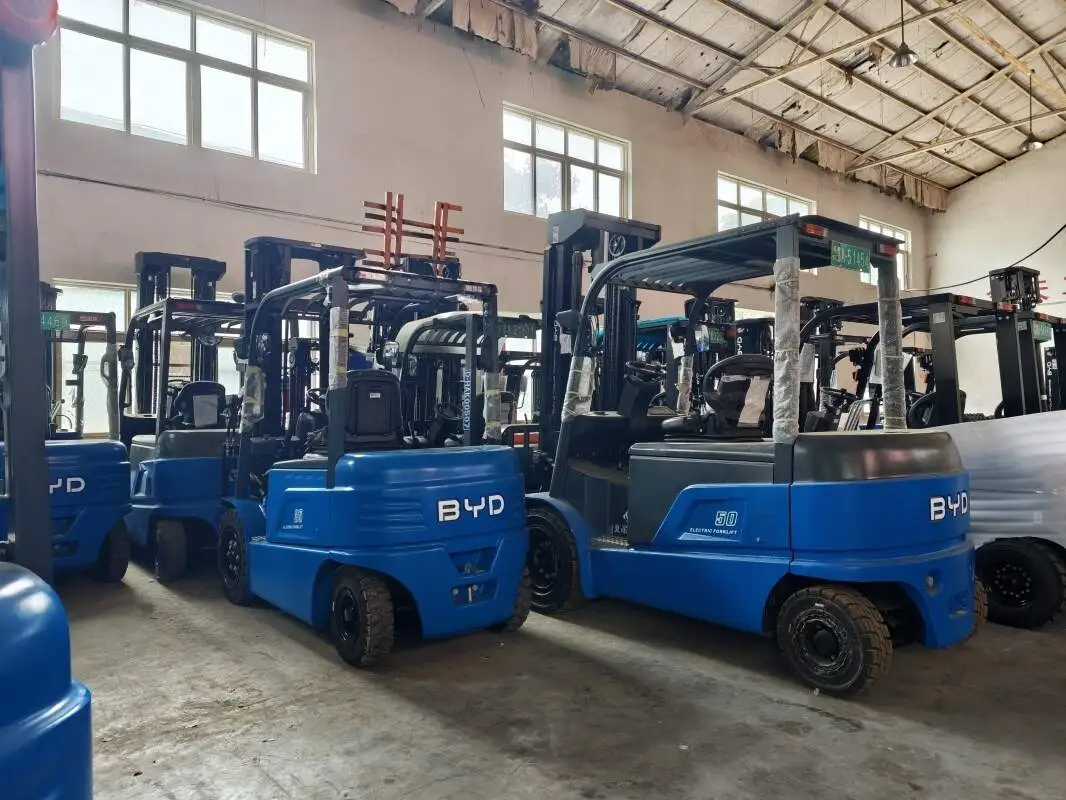
In busy warehouse environments, the coexistence of forklifts and pedestrians creates inherent safety risks. Forklifts, designed to move heavy loads efficiently, operate in tight spaces where workers often perform tasks like picking, sorting, or restocking. Without proper separation measures, the chance of collisions, near-misses, and serious injuries increases significantly. Safety barriers serve as a critical line of defense, clearly defining boundaries between pedestrian walkways and forklift traffic zones to minimize these risks.
There are several types of safety barriers tailored to different warehouse needs. Rigid metal barriers, made from steel or aluminum, are ideal for high-traffic areas where forklifts move at faster speeds or carry heavy loads. They offer durable protection against impact, preventing vehicles from straying into pedestrian zones. Flexible barriers, such as plastic or rubber bollards, are suitable for areas with lower traffic or where occasional access is needed. These barriers absorb impact and can be repositioned if warehouse layouts change. Warning barriers, including bright-colored railings or retractable belts, are used to mark temporary zones, like construction areas or temporary storage spots, alerting both pedestrians and forklift operators to proceed with caution.
Proper installation of safety barriers is key to their effectiveness. First, warehouse managers should conduct a thorough assessment of traffic flow patterns, identifying high-risk areas such as intersections, loading docks, and near storage racks. Barriers should be installed to create clear, unobstructed pedestrian pathways that connect key areas like break rooms, offices, and picking stations without crossing forklift routes. It’s important to ensure barriers are visible from all angles, using high-visibility paint or reflective strips to enhance recognition, especially in low-light conditions. Additionally, barriers should be anchored securely to the floor to withstand impact and prevent displacement.
Regular maintenance and employee training further enhance the value of safety barriers. Barriers should be inspected regularly for signs of damage, such as bent metal or cracked plastic, and repaired or replaced promptly. Warehouse staff, including forklift operators and pedestrian workers, should receive training on how to interact with safety barriers—operators must learn to respect barrier boundaries, while pedestrians should understand the importance of staying within marked walkways. Ongoing safety drills can reinforce these practices, ensuring all team members are prepared to act safely in daily operations.
By implementing the right safety barriers and supporting them with proper planning and training, warehouses can significantly reduce the risk of accidents involving forklifts and pedestrians. These barriers not only protect workers but also contribute to smoother operations by eliminating confusion around traffic zones. In the long run, investing in safety barriers is an investment in both employee well-being and the overall efficiency of warehouse operations.