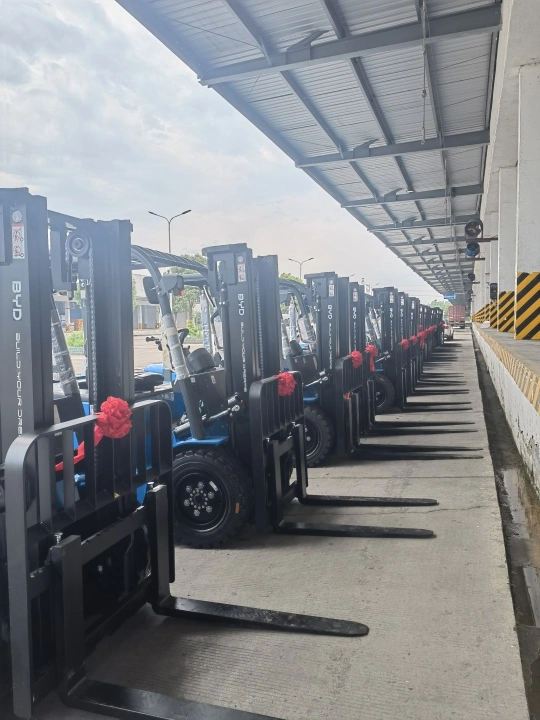
Operating forklifts safely at New South Wales (NSW) work sites is critical to upholding Work Health and Safety (WHS) Act obligations and protecting workers, visitors, and property. Adhering to structured safety rules minimizes accident risks and ensures smooth daily operations.
Before starting any shift, operators must conduct a thorough pre-operation inspection. This includes checking brake functionality, tire condition, hydraulic system integrity, and lighting systems. Any defects, no matter how minor, should be documented and reported immediately; forklifts with unresolved issues must not be used, as this violates NSW WHS requirements.
Operator competency is non-negotiable. All forklift operators must hold a valid, nationally recognized license specific to the type of forklift they operate. Regular refresher training is recommended to keep skills sharp and update knowledge of evolving NSW safety regulations. Operators must also be familiar with their work site’s layout, including pedestrian zones, load storage areas, and speed limits.
When handling loads, operators must ensure cargo is properly secured and balanced to prevent tipping. Overloading forklifts beyond their rated capacity is strictly prohibited in NSW work sites. During transit, loads should be kept at a safe height that does not obstruct the operator’s forward vision; if visibility is compromised, operators should travel in reverse with a spotter guiding them.
Navigating the work site requires constant vigilance. Operators must adhere to posted speed limits, which are typically lower in pedestrian-heavy areas. At intersections and blind spots, slow down, sound the horn, and check for pedestrians and other vehicles. On slippery or uneven surfaces, reduce speed and avoid sudden stops or turns to maintain stability.
In emergency situations, operators must know how to use the forklift’s emergency stop button immediately. If an accident occurs, they should report it to their supervisor without delay, evacuate the area if necessary, and cooperate with any WHS investigation. Regular emergency drills help ensure all workers understand their roles in responding to forklift-related incidents.
By following these essential safety rules, NSW work sites can create a secure environment where forklift operations support productivity without compromising worker well-being.