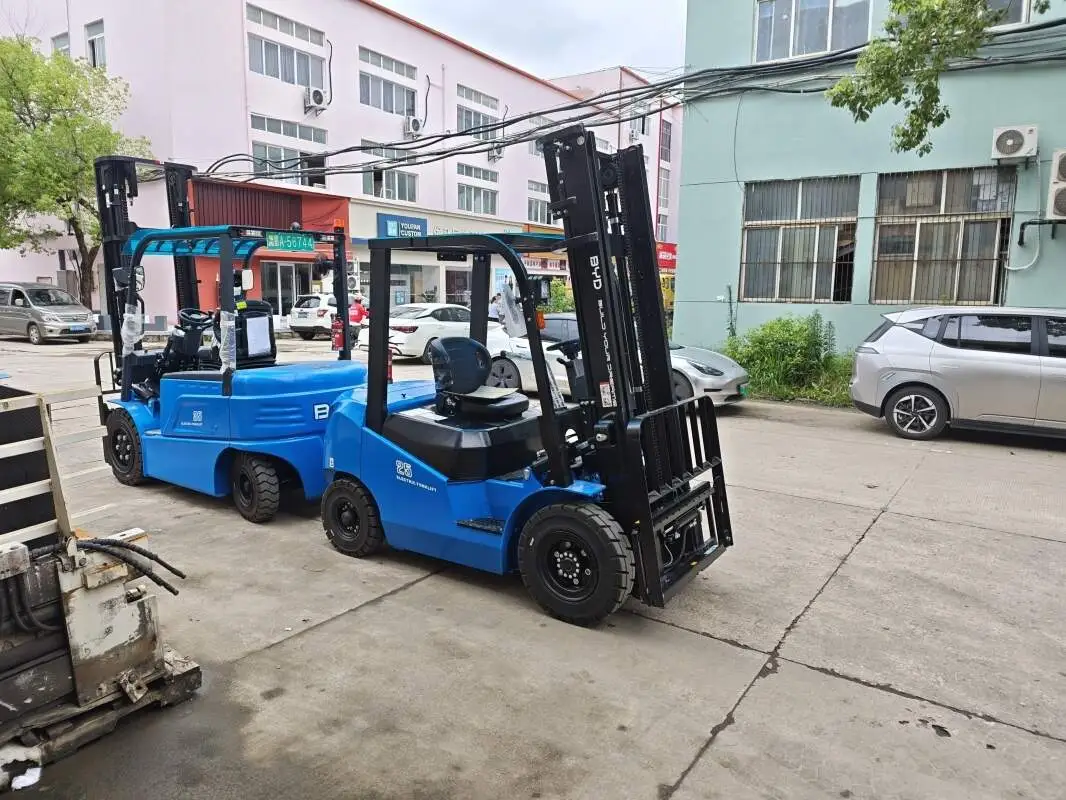
Operating an electric forklift requires strict adherence to standard guidelines to safeguard personnel, protect equipment, and maintain workplace efficiency. These instructions outline essential procedures that every forklift operator must follow to ensure compliance with safety regulations and minimize operational risks.
Before starting any shift, operators must conduct a thorough pre-use inspection. Begin by checking the exterior of the forklift for visible damage, including cracks in the mast, worn tires, or faulty lights. Inspect the battery levels and ensure all connections are secure; low battery power can lead to unexpected shutdowns during operation. Verify that the brake system functions properly by testing both the foot brake and parking brake. Additionally, confirm that all safety features, such as the horn, reverse alarm, and seatbelt, are in working order. Any defects identified during the inspection must be reported to a supervisor immediately, and the forklift should not be used until repairs are completed.
Once the pre-use inspection is cleared, follow proper startup procedures. Fasten the seatbelt before turning on the ignition. Adjust the mirrors to ensure full visibility of the surrounding area. When moving the forklift, start slowly and maintain a safe speed appropriate for the workspace—typically no faster than 5 mph in indoor areas. Always keep a clear view of the path ahead; if loads obstruct visibility, travel in reverse with a spotter guiding you. Avoid sudden turns or stops, as these can cause the forklift to tip over. Be cautious around pedestrians, obstacles, and uneven surfaces, reducing speed when navigating narrow aisles or tight corners.
When loading or unloading materials, position the forklift squarely in front of the pallet to ensure stable lifting. Adjust the forks to match the width of the pallet, ensuring they are fully inserted under the load. Lift the load slowly and evenly, keeping it close to the ground when traveling to maintain balance. Never lift a load that exceeds the forklift’s rated capacity, as this can lead to structural damage or tip-over incidents. When placing a load on a shelf or rack, lower it gently and confirm it is securely positioned before retracting the forks. Avoid overreaching or tilting the mast excessively, as this can compromise the forklift’s stability.
At the end of a shift or when the forklift is not in use, follow proper shutdown procedures. Park the forklift in a designated area, away from traffic paths and fire exits. Engage the parking brake and lower the forks to the ground. Turn off the ignition and remove the key to prevent unauthorized use. If the forklift uses a battery, ensure it is properly connected or placed on a charging station if needed. Conduct a final check to confirm all controls are in the off position and the area around the forklift is clear.
Throughout all operations, operators must prioritize safety. Never leave a running forklift unattended, even for a short period. Do not allow passengers to ride on the forklift unless it is equipped with a designated passenger seat. Wear appropriate personal protective equipment, including steel-toe boots and a hard hat, to reduce the risk of injury. Stay alert to changes in the work environment, such as wet floors or moving equipment, and adjust operations accordingly. Regular training and refresher courses are essential to keep operators updated on the latest safety guidelines and best practices.