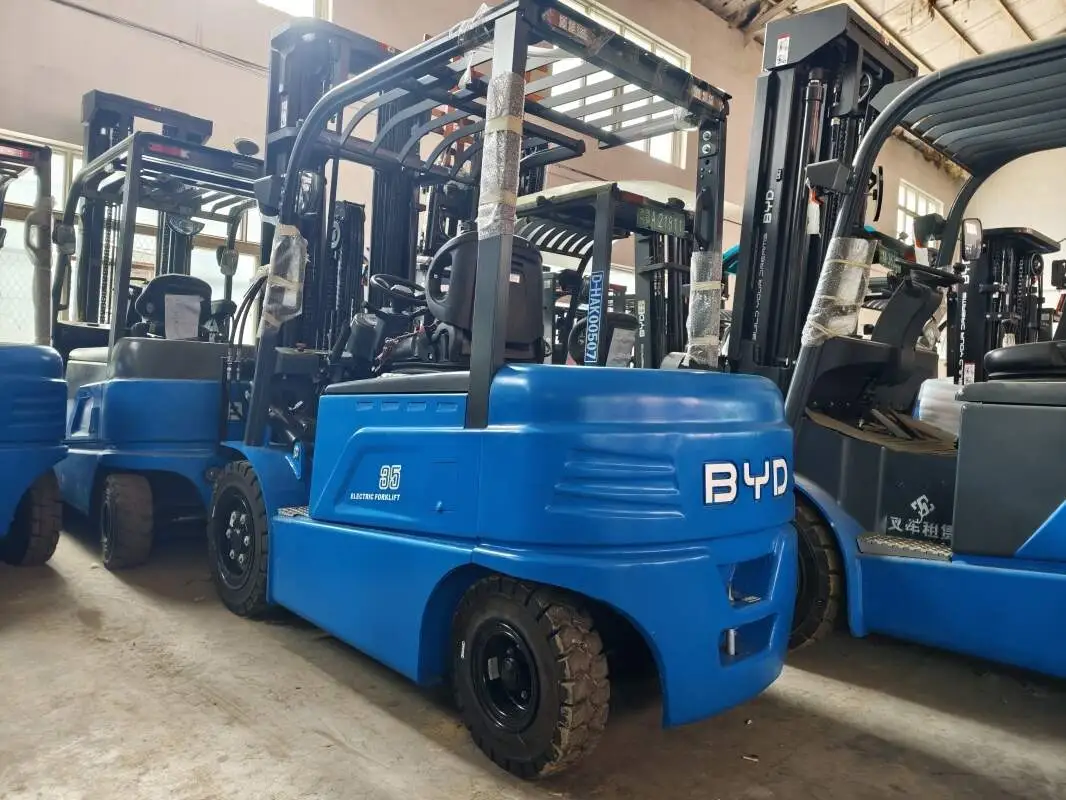
Operating an electric forklift safely requires more than just maneuvering loads and navigating tight spaces—understanding dashboard warning lights is a critical component of workplace safety and equipment longevity. These small but powerful indicators are designed to alert operators to potential issues before they escalate into costly repairs or dangerous accidents.
For electric forklifts, the battery charge warning light is one of the most frequently encountered alerts. When illuminated, it signals that the battery’s charge level is low, requiring immediate recharging to avoid unexpected downtime. Some models may display a flashing battery light, which could indicate a faulty charging system or battery cell damage, requiring inspection by a trained technician to prevent further degradation.
Another vital alert is the overheating warning light. Electric forklifts rely on battery systems and motors that can generate excess heat during prolonged use, especially in high-temperature warehouse environments. This light activates when internal components reach unsafe temperatures, prompting operators to stop the vehicle immediately and allow it to cool down. Ignoring this alert can lead to permanent motor or battery damage, significantly reducing the forklift’s operational lifespan.
The brake system warning light is non-negotiable for safety. It illuminates if there’s a drop in brake fluid pressure, worn brake pads, or a malfunction in the brake system. Operators must cease operation immediately and have the brakes inspected by a professional before resuming use, as faulty brakes pose a severe risk to both the operator and surrounding personnel.
Many electric forklifts also feature a seatbelt reminder light. This light stays illuminated until the operator fastens their seatbelt, emphasizing the importance of this basic safety measure. In some cases, the forklift may even restrict operation until the seatbelt is secured, preventing unsafe operation that could lead to falls or collisions.
When a warning light activates, the first step is to safely bring the forklift to a stop in a designated area, away from pedestrians and stacked loads. Operators should consult the forklift’s official manual to confirm the exact meaning of the alert, as some symbols may vary slightly between models. For minor issues like low battery charge, following the recommended recharging protocol is sufficient. However, for alerts related to brake failures, overheating, or electrical malfunctions, the forklift should be taken out of service until a certified technician can diagnose and repair the problem.
Regular preventative maintenance is key to minimizing the frequency of warning light activations. This includes scheduled battery checks, brake inspections, and motor temperature monitoring. Keeping the forklift’s dashboard clean and free of debris ensures that warning lights are easily visible, preventing missed alerts that could lead to safety hazards. Additionally, training operators to recognize and respond to warning lights correctly reduces the risk of equipment damage and workplace incidents.
In conclusion, forklift warning lights are essential tools for maintaining safety and operational efficiency in warehouse settings. By understanding what each dashboard indicator means, responding promptly to alerts, and investing in regular maintenance, operators and facility managers can ensure that their electric forklifts remain reliable, safe, and productive for years to come.