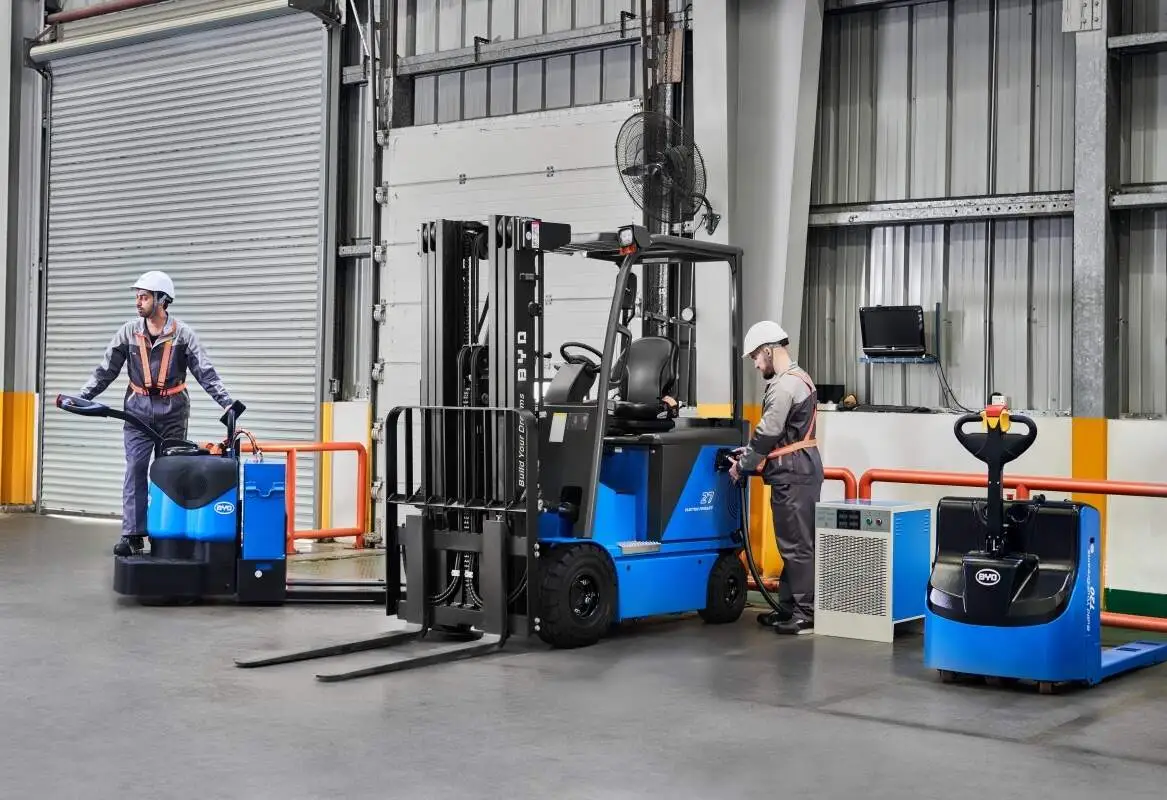
Forklifts are indispensable tools in UK warehouses, enabling efficient movement of heavy goods, but their improper use poses significant risks to operators, pedestrians, and property. Adhering to UK forklift regulations is not just a legal obligation for warehouse fleet managers; it’s a critical step to maintain a safe working environment and avoid costly penalties.
First and foremost, operator training and certification are non-negotiable. Under UK health and safety laws, all forklift operators must complete a recognized training course tailored to the specific type of forklift they operate, whether it’s a counterbalance, reach, or pallet truck. This training covers safe operation, load handling, hazard identification, and emergency procedures. Operators must hold a valid certification, and refresher training is required periodically—typically every three years, or sooner if an operator has a lapse in practice or a workplace incident occurs.
Daily pre-use inspections are another core compliance requirement. Before using a forklift, operators must conduct a visual check of key components, including brakes, tires, lights, hydraulics, and forks. Any defects or issues must be reported immediately, and the forklift taken out of service until repairs are completed. Fleet managers must ensure these inspections are documented, as official records may be requested by health and safety regulators during audits.
Proper load management is also central to compliance. Operators must understand the forklift’s rated capacity, displayed on a data plate, and never exceed this limit. Loads must be securely balanced and positioned on the forks to prevent tipping, and operators should avoid sudden starts, stops, or turns when carrying heavy goods. Warehouse layouts should include designated loading and unloading zones to minimize congestion and reduce the risk of accidents involving mismanaged loads.
Workplace environment safety measures complement forklift operation rules. Warehouses must maintain clear, well-marked pedestrian walkways separate from forklift traffic, with visible signage indicating speed limits and hazard zones. Adequate lighting is essential in all areas where forklifts operate, especially in narrow aisles or storage bays. Fleet managers should also implement systems to manage pedestrian-forklift interactions, such as motion sensors or two-way radios, to ensure constant awareness between operators and other warehouse staff.
Finally, comprehensive record-keeping is vital to demonstrate compliance. This includes records of operator training and certifications, daily inspection logs, maintenance and repair records, and incident reports. These documents should be stored securely for at least three years, as they provide evidence of a warehouse’s commitment to meeting UK forklift regulations. In the event of an inspection or incident, accurate records can help mitigate liability and show that the business has taken all necessary steps to maintain a safe fleet operation.
By prioritizing these key compliance points, warehouse fleet managers can not only meet legal requirements but also create a safer, more efficient workplace. Regular audits and staff training sessions can help reinforce these practices, ensuring that all team members understand their roles in maintaining forklift safety and regulatory adherence.