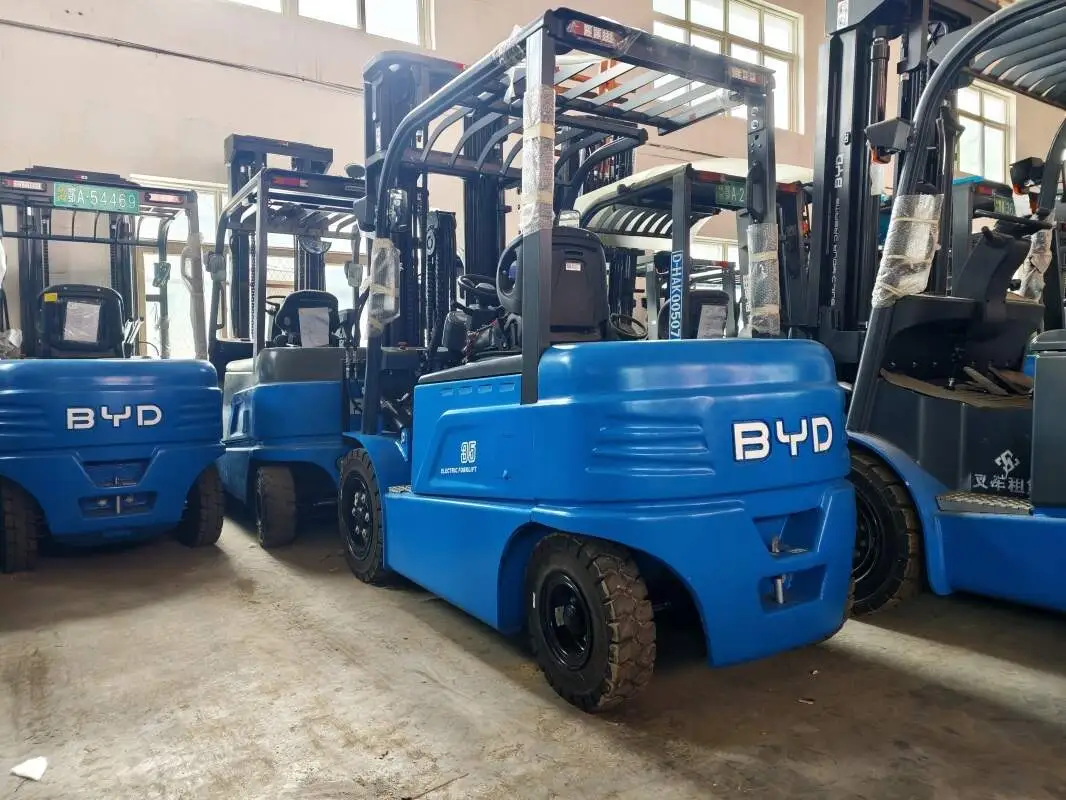
Daily pre-operation inspections are a non-negotiable aspect of safe electric forklift operations, designed to identify potential hazards before they lead to accidents, equipment damage, or compliance issues. For every shift, operators must conduct a systematic review of their forklift to ensure it meets operational standards and protects both personnel and workplace assets.
Start with an exterior and structural assessment by completing a visual walkaround of the forklift. Look for visible signs of damage such as dents, cracks, or rust on body panels that could compromise structural integrity. Pay close attention to the tires—check for uneven wear, punctures, or low pressure, as faulty tires can undermine stability during load handling. Examine the fork tines for bending, cracks, or excessive wear; damaged tines can fail under load, leading to dangerous spills or falls. Finally, inspect the undercarriage for leaks of hydraulic fluid or battery electrolyte, which may indicate hidden mechanical issues.
For electric forklifts, the power system demands careful inspection. Begin by verifying the battery charge level to ensure it can sustain operation through the entire shift without unexpected shutdowns. Check battery cables for fraying, corrosion, or loose connections, as damaged wiring can cause electrical malfunctions or fire risks. Inspect the battery compartment for corrosion or leaks, and confirm the battery is securely fastened to prevent shifting during movement. If the forklift uses a charging port, check for debris or damage that could interfere with charging functionality.
Next, test all control and operational components to confirm proper function. Sit in the operator’s seat and check the steering wheel for smooth movement—no stiffness or play that could impede maneuverability. Test the foot brake and parking brake to ensure they engage quickly and hold the forklift stationary on a level surface. Verify the accelerator pedal responds smoothly without sticking. Inspect all lighting and signaling devices: headlights, taillights, turn signals, and the horn should work correctly to alert other workers of the forklift’s presence. Test hydraulic controls for lifting, tilting, and retracting forks, ensuring they operate without delay or unusual noises.
Then, verify load handling equipment to prevent failures during operation. Check fork positioners and side shifters (if equipped) to ensure they move smoothly and lock into place correctly. Confirm fork sleeves are securely attached to tines and show no signs of wear. Examine safety chains or straps for fraying or damage, ensuring they can effectively secure loads. Test the fork lift function by raising and lowering tines fully, checking for hesitation or unusual sounds in the hydraulic system.
Finally, validate all safety features. Check the operator’s seatbelt to ensure it latches securely and shows no damage. Verify the overhead guard is intact and properly mounted to protect against falling objects. Test the reverse alarm to ensure it activates when the forklift shifts into reverse, alerting nearby personnel. Inspect any onboard fire extinguisher to confirm it is fully charged and within its expiration date.
By following this systematic checklist for every daily shift, operators can significantly reduce accident risks, extend forklift lifespan, and maintain compliance with workplace safety regulations. Regular checks also foster a safety-focused culture, encouraging operators to take ownership of equipment maintenance and prioritize the well-being of themselves and colleagues.