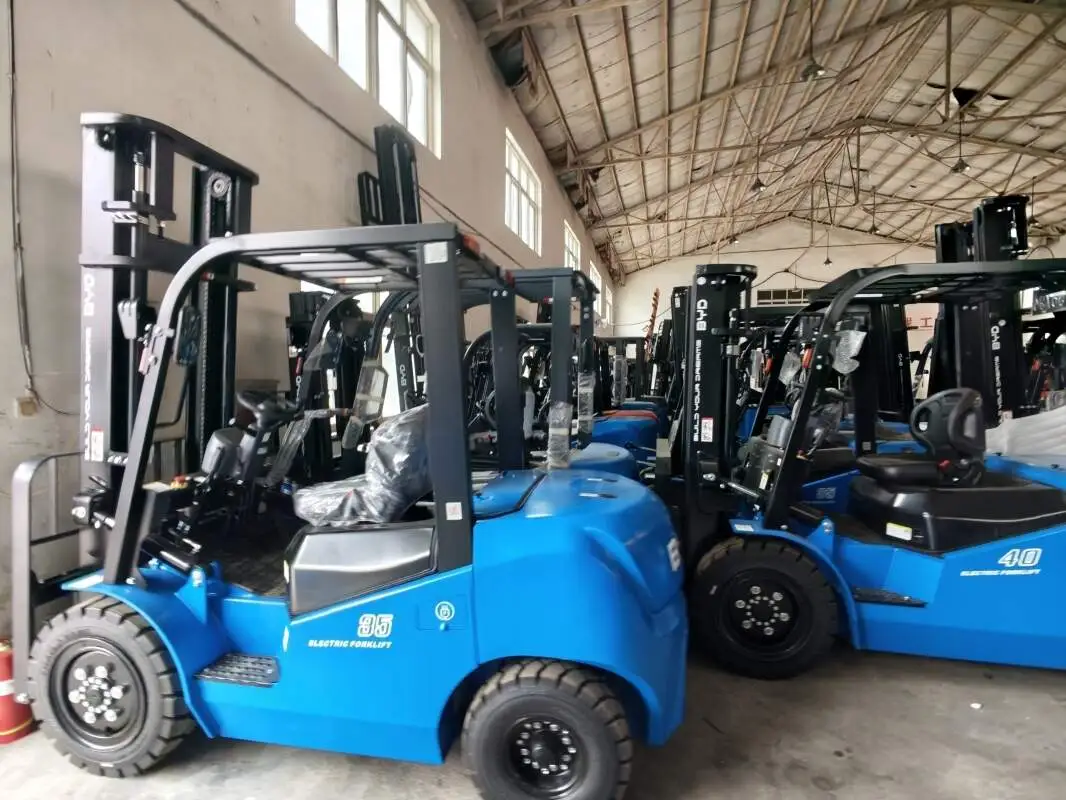
In Canada’s thriving industrial and logistics sectors, electric forklifts have become a staple for efficient material handling, driven by stricter environmental regulations and operational cost savings. Understanding the pricing landscape for new and used models is critical for businesses looking to invest in this equipment.
When it comes to new electric forklifts, pricing varies significantly based on several key factors. Smaller models with a load capacity of 1 to 2 tons typically range from CAD 25,000 to CAD 40,000. Mid-sized forklifts, suitable for most warehouse operations with 3 to 5 tons of lifting capacity, can cost between CAD 40,000 and CAD 65,000. Larger, heavy-duty models designed for outdoor or high-load applications may exceed CAD 80,000. Additional features like lithium-ion batteries (which offer longer lifespan and faster charging compared to lead-acid alternatives), advanced safety systems, and specialized attachments such as side shifters or fork positioners can add 10% to 30% to the base price. New forklifts also come with manufacturer warranties, usually covering parts and labor for 1 to 3 years, reducing long-term maintenance risks.
Used electric forklifts present a more budget-friendly option, with prices typically ranging from 30% to 60% of the cost of a comparable new model. A well-maintained small used forklift might start at CAD 10,000, while mid-sized models in good condition can cost between CAD 20,000 and CAD 35,000. However, several factors influence used pricing: total operating hours (units with fewer than 5,000 hours generally command higher prices), battery health (replacing a battery can cost up to CAD 15,000, so this is a key consideration), and maintenance history. Forklifts with documented regular servicing are more valuable, as they are less likely to have hidden mechanical issues. It’s important to note that used equipment usually has limited or no warranty, meaning businesses may incur unexpected repair costs down the line.
Comparing new and used electric forklifts involves balancing short-term costs against long-term value. New models offer the latest technology, better energy efficiency, and reliable performance, making them ideal for businesses with high daily usage or those looking to minimize downtime. Used forklifts, on the other hand, are a great choice for small businesses, short-term projects, or operations with lower usage demands, as they allow for lower initial investment and faster deployment.
Before making a purchase, businesses should assess their specific needs: consider the type of tasks, operating environment, budget constraints, and long-term operational goals. For those opting for used equipment, arranging a professional inspection to evaluate the forklift’s mechanical condition and battery life is a crucial step to avoid costly surprises. By weighing these factors carefully, businesses can select the right electric forklift option that aligns with their operational requirements and financial plan.